


Dialectical Behavior Therapy and EMDR Therapy: Understanding the Differences and Benefits
Mental and emotional challenges can affect every part of life, from relationships and work to sleep, confidence, and everyday decision-making. Fortunately, different forms of therapy can help people understand their experiences, develop healthier coping skills, and move toward a more balanced life. Two approaches that are often discussed for different emotional and trauma-related concerns are Dialectical Behavior Therapy and EMDR Therapy.
Although both can support emotional healing, they work in different ways. Understanding how each therapy works can make it easier to determine which approach may fit a person's needs and goals.
What Is Dialectical Behavior Therapy?
Dialectical Behavior Therapy (DBT) is a structured form of therapy that was originally developed to help people manage intense emotions and difficult behavioral patterns. Today, DBT is used for a variety of concerns, including emotional regulation difficulties, relationship challenges, impulsive behaviors, and problems with distress tolerance.
The word "dialectical" refers to balancing two ideas that may seem opposite. In therapy, this often means learning to accept yourself as you are while also working toward meaningful change.
Rather than simply focusing on why someone feels a certain way, DBT teaches practical skills that can be used in everyday situations.
Core Skills Taught in DBT
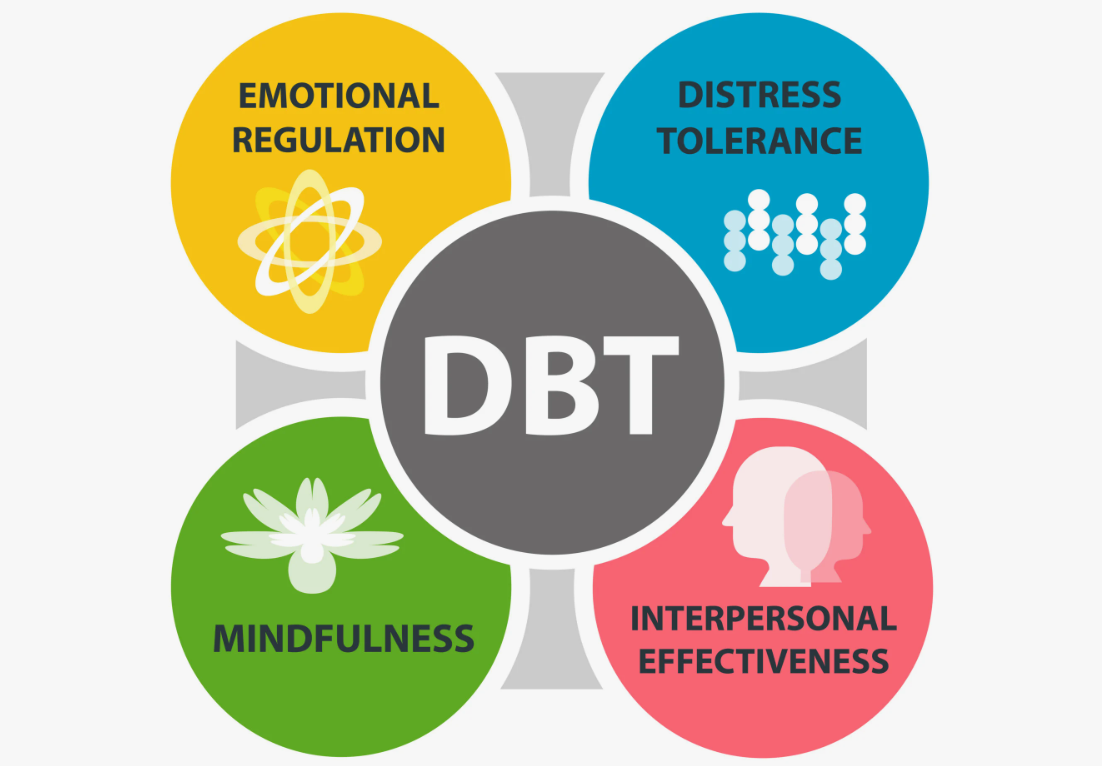
DBT commonly focuses on four major skill areas.
Mindfulness helps people become more aware of their thoughts, emotions, and surroundings without immediately reacting to them. This can create space between an emotional experience and a person's response.
Distress tolerance focuses on getting through difficult moments without making the situation worse. These skills can be particularly useful when emotions feel overwhelming.
Emotion regulation helps individuals recognize emotional patterns and learn healthier ways to manage strong feelings. Instead of trying to eliminate emotions, the goal is to respond to them more effectively.
Interpersonal effectiveness focuses on communication, boundaries, relationships, and expressing needs. These skills can help people communicate more clearly while maintaining self-respect and healthier relationships.
One of the strengths of DBT is its practical nature. People can practice these skills outside therapy and gradually incorporate them into daily life.
What Is EMDR Therapy?
EMDR Therapy, or Eye Movement Desensitization and Reprocessing, is a psychotherapy approach commonly associated with trauma treatment. It was developed to help people process distressing memories and experiences that continue to affect their emotional well-being.
Sometimes a past experience remains emotionally intense even after the immediate danger has passed. Certain memories, situations, sounds, places, or conversations may trigger strong reactions. EMDR aims to help the brain process these memories in a way that reduces their emotional intensity.
During EMDR sessions, a trained therapist guides the client through specific phases of treatment. One component can involve bilateral stimulation, such as guided eye movements or other alternating sensory stimulation, while the person focuses on aspects of a distressing memory.
The process is structured and individualized. Clients do not necessarily have to describe every detail of a traumatic experience for therapy to be meaningful.
How EMDR Can Support Trauma Recovery
Traumatic experiences can sometimes influence how people see themselves, other people, and the world around them. A person may develop beliefs such as "I am unsafe," "It was my fault," or "I have no control."
EMDR therapy works to help individuals process distressing experiences and develop more adaptive perspectives.
For some people, trauma-related symptoms may include intrusive memories, avoidance, heightened emotional reactions, sleep difficulties, or feeling constantly on alert. A qualified mental health professional can determine whether EMDR is appropriate based on an individual's circumstances.
EMDR is particularly known for trauma-focused treatment, but therapists may also use it as part of treatment for other concerns when clinically appropriate.
Dialectical Behavior Therapy vs. EMDR Therapy
While both approaches can be valuable, their primary goals and techniques differ.
DBT places a strong emphasis on skills, emotional regulation, coping, mindfulness, and relationships. It can be useful for people who want practical tools for handling intense emotions and difficult situations.
EMDR focuses more directly on processing distressing memories and experiences. It is often considered when unresolved trauma or distressing memories are contributing to current symptoms.
The two approaches are not necessarily competing choices. In some situations, elements of different therapeutic approaches may be incorporated into an individual's overall treatment plan.
Which Therapy Is Right for You?
There is no single therapy that works perfectly for everyone. Choosing between Dialectical Behavior Therapy and EMDR Therapy depends on several factors, including symptoms, personal history, treatment goals, and the recommendation of a qualified therapist.
Someone struggling primarily with emotional regulation, impulsive reactions, relationship difficulties, or coping with stressful situations may benefit from learning DBT skills.
Someone dealing with unresolved traumatic memories or experiences that continue to produce strong emotional reactions may be a candidate for EMDR.
A person may also have multiple concerns. In that situation, a therapist can evaluate the bigger picture and recommend an appropriate treatment approach.
What to Expect From Therapy
Starting therapy can feel intimidating, especially if you are unsure what will happen during your first appointment. A therapist will typically begin by learning about your concerns, history, goals, and current challenges.
With DBT, treatment may involve learning specific skills and practicing them between sessions. You may work on identifying emotional triggers, improving communication, tolerating distress, and responding to situations more thoughtfully.
With EMDR, the therapist generally helps you establish emotional safety and coping resources before moving into trauma-processing work when appropriate. Treatment is typically paced according to your needs rather than forcing you to move faster than you are comfortable with.
Open communication with your therapist is important throughout either approach.
The Importance of Finding the Right Therapist
The effectiveness of therapy depends not only on the treatment approach but also on the relationship between the client and therapist. Feeling respected, understood, and safe can make a significant difference in the therapeutic process.
When looking for a therapist, consider their training, experience, treatment philosophy, and familiarity with the concerns you want to address. You can also ask questions about what sessions will look like, how progress is measured, and what you can expect during treatment.
Remember that seeking therapy is not a sign of weakness. Reaching out for professional support can be an important step toward understanding yourself and building healthier ways of coping.
Moving Toward Emotional Healing
Both Dialectical Behavior Therapy and EMDR Therapy offer structured approaches to addressing emotional and psychological difficulties, but they do so in different ways. DBT emphasizes practical skills for managing emotions, tolerating distress, practicing mindfulness, and improving relationships. EMDR focuses on helping people process distressing memories and reduce the emotional impact associated with traumatic experiences.
The right choice depends on your individual needs and treatment goals. A qualified mental health professional can help you understand your options and determine which approach may be appropriate.
Therapy is not about becoming a completely different person. It is about gaining a better understanding of your experiences, developing healthier responses, and creating the opportunity for meaningful change. With appropriate support and a treatment plan tailored to your needs, taking the first step toward emotional well-being can become the beginning of a healthier and more balanced chapter.

 English
 Arabic
 French
 Spanish
 Portuguese
 Turkish
 Dutch
Dutch
 Italiano
 Russian
 Romaian
 Portuguese (Brazil)
 Greek
Greek