


Vitamin C Serum: Benefits, How to Use It & What to Look For
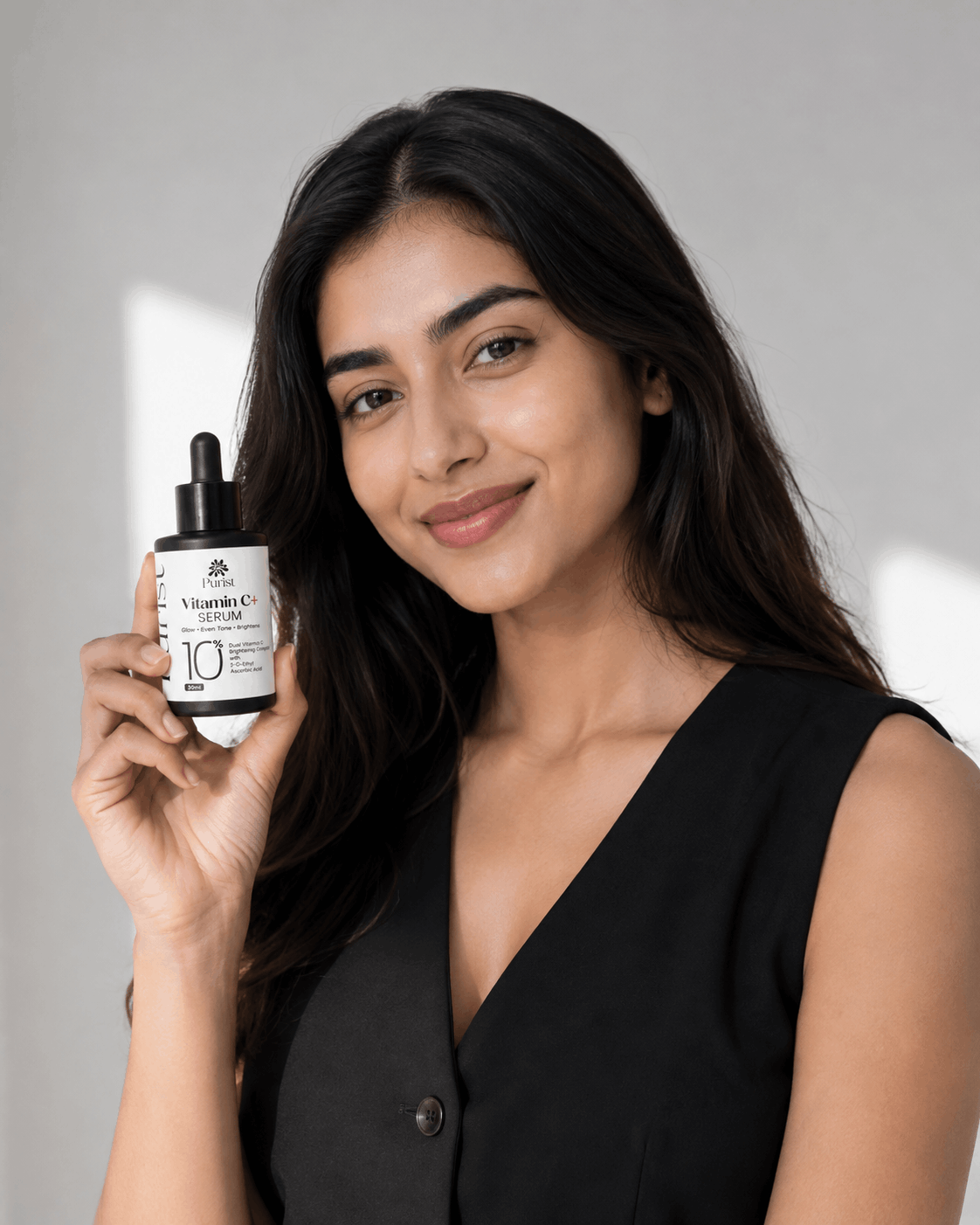
A brighter, more even-looking complexion is one of the most common skincare goals, but achieving it isn't simply about finding the strongest brightening ingredient or buying the most expensive serum.
Your skin is constantly exposed to sunlight, pollution, environmental stress, dehydration, and other factors that can contribute to dullness, uneven tone, and visible signs of premature aging. This is where a thoughtfully formulated Vitamin C Serum can become a useful part of a daily skincare routine. If you're comparing options, understanding the Vitamin C Serum Price in Pakistan can also help you choose a product that fits both your skincare needs and budget.
Vitamin C is well known for its antioxidant properties and its role in supporting collagen production and regulating processes involved in pigmentation. Research on topical Vitamin C suggests potential benefits for photodamage, uneven pigmentation, and the overall appearance of aging skin, although results depend heavily on the formulation and consistent use.
But here's the part many skincare articles skip:
A Vitamin C serum isn't automatically effective just because the bottle says "Vitamin C."
The form of Vitamin C, concentration, formulation, stability, packaging, supporting ingredients, and your overall skincare routine all matter.
This guide explains what you should actually know before adding one to your routine, including how Purist Vitamin C Serum can fit into a practical brightening regimen.
What Is Vitamin C Serum?
A Vitamin C serum is a topical skincare product formulated with Vitamin C or a Vitamin C derivative and designed to deliver the ingredient directly to the skin.
Vitamin C is naturally present in the skin and acts as an antioxidant. Topically applied Vitamin C has been studied for its potential to help defend against oxidative stress, support collagen synthesis, and improve the appearance of pigmentation and photoaged skin.
Unlike a cleanser that is quickly rinsed away, a serum is designed to remain on the skin, making it a popular format for delivering concentrated skincare ingredients.
Depending on its formulation, a Vitamin C serum may be used to target concerns such as:
-
Dull-looking skin
-
Uneven skin tone
-
Visible dark spots
-
Post-acne marks
-
Signs of photoaging
-
Rough or uneven-looking texture
-
Loss of overall radiance
However, it's important to keep expectations realistic. Vitamin C is a supportive skincare ingredient, not an instant skin-lightening treatment.
How Does Vitamin C Work on Skin?
There are several reasons Vitamin C has remained a popular dermatological and cosmetic ingredient.
1. It Provides Antioxidant Support
Your skin encounters oxidative stress from environmental factors, including ultraviolet radiation and pollution.
Vitamin C functions as an antioxidant and can help neutralize reactive molecules involved in oxidative damage. This is one reason topical Vitamin C is commonly incorporated into skincare routines designed around environmental protection and photoaging.
This does not mean Vitamin C replaces sunscreen.
It doesn't.
Think of Vitamin C as an additional layer of antioxidant support, while sunscreen remains the primary form of daily UV protection.
2. It Can Support a More Even-Looking Complexion
Pigmentation is another reason Vitamin C attracts so much attention.
Vitamin C can interfere with pathways involved in melanin production, including the activity of tyrosinase, an enzyme involved in melanogenesis. This mechanism is one reason topical Vitamin C has been investigated for hyperpigmentation and uneven skin tone.
Clinical evidence isn't a license to promise that every dark spot will disappear. But research does suggest that topical Vitamin C can have depigmenting effects, with noticeable improvement generally requiring consistent use over time.
3. It Supports Collagen Production
Vitamin C isn't only about brightness.
It also plays an important role in collagen synthesis. Topical Vitamin C has therefore been studied as part of skincare approaches aimed at photoaging, fine lines, and changes in skin texture.
That makes Vitamin C interesting for people who want to address more than one visible concern with a single routine step.
Vitamin C Isn't Just One Ingredient
This is one of the most important things to understand when comparing Vitamin C serums.
The term "Vitamin C" can refer to different chemical forms.
L-Ascorbic Acid
L-Ascorbic Acid is the pure form of Vitamin C most commonly discussed in dermatological research.
It has strong evidence behind its topical use, but it is also relatively unstable and can be challenging to formulate effectively. Factors such as concentration, pH, oxygen, light, and formulation design can affect its stability.
Vitamin C Derivatives
Other formulations use derivatives such as:
-
Sodium Ascorbyl Phosphate
-
Magnesium Ascorbyl Phosphate
-
Ascorbyl Glucoside
-
3-O-Ethyl Ascorbic Acid
-
Other stabilized Vitamin C derivatives
These derivatives have been developed partly to address the stability and delivery challenges associated with topical Vitamin C. However, they don't all behave identically, and evidence varies between different derivatives.
So when shopping for a Vitamin C Serum, don't judge a product solely by the percentage printed on the front label.
Formulation quality matters.
Why Vitamin C Serum Can Be Useful for Pakistani Skin
Skincare doesn't happen in a vacuum.
For people living in Pakistan, exposure to intense sunlight, heat, dust, and environmental pollution can make maintaining an even-looking complexion more challenging.
UV exposure is particularly important because it contributes to photoaging and pigmentation.
That makes a routine combining antioxidant support with consistent sunscreen use especially sensible.
A Vitamin C serum can therefore be positioned as one part of a broader routine rather than a standalone solution.
Cleanse → Vitamin C → Moisturize → Sunscreen
Simple. Repeatable. Sustainable.
Purist Vitamin C Serum: Building a More Complete Formula
Purist approaches Vitamin C skincare from a formulation-first perspective rather than treating Vitamin C as a standalone miracle ingredient.
A well-rounded Vitamin C routine should consider more than brightening alone.
For example, skin experiencing pigmentation may also be dehydrated. Skin affected by environmental exposure may also benefit from antioxidant support. Someone concerned about dullness may simultaneously be dealing with uneven texture.
This is why supporting ingredients can make a formula more interesting.
Vitamin C for Antioxidant and Brightening Support
Vitamin C forms the central focus of the serum, helping support antioxidant protection while targeting the appearance of uneven tone and dullness.
Niacinamide for Skin Tone and Texture
Niacinamide is another widely used skincare ingredient that can complement a routine targeting uneven-looking skin tone and texture.
Rather than relying on a single active, combining complementary ingredients can create a more comprehensive approach to everyday skincare.
Licorice Extract for Uneven Pigmentation
Licorice-derived ingredients are frequently used in brightening formulations because of their association with pigmentation-focused skincare.
Its role makes sense in a serum designed for people concerned with visible dark spots and uneven complexion.
Hyaluronic Acid for Hydration
A brightening routine shouldn't leave hydration behind.
Hyaluronic acid is commonly used to support skin hydration and can help the complexion look smoother and more supple.
This matters because dehydrated skin can appear rough and lackluster even when pigmentation isn't the primary problem.
Aloe Vera for a Comfortable Routine
Aloe vera is widely used in cosmetic formulations for its soothing and conditioning properties.
Including skin-comforting ingredients alongside active ingredients can make a daily serum easier to incorporate into a balanced skincare routine.
How to Choose the Right Vitamin C Serum
Walking into an online store and choosing the serum with the biggest percentage isn't exactly a scientific method.
Before buying, consider these factors.
Check the Form of Vitamin C
Look beyond the words "Vitamin C."
Check the ingredient list and identify which form has been used.
Different forms have different characteristics, and the ideal choice depends on the formulation as a whole.
Consider the Concentration
Higher concentration doesn't automatically equal better results.
A formula that your skin tolerates consistently can be more useful than an extremely strong product that causes irritation and ends up sitting unused in your drawer.
Look at the Full Ingredient List
Vitamin C is important, but supporting ingredients matter too.
Consider whether the formula also addresses hydration, skin comfort, or other concerns relevant to your routine.
Pay Attention to Packaging
Vitamin C formulations can be sensitive to environmental conditions.
Research has repeatedly highlighted stability as one of the major challenges in topical Vitamin C formulation.
Appropriate packaging and storage can therefore matter just as much as the ingredient list.
How to Use Vitamin C Serum Correctly
A complicated routine isn't necessary.
Morning Routine
Step 1: Cleanse
Use a gentle cleanser to remove excess oil, sweat, and buildup.
Step 2: Apply Vitamin C Serum
Apply the recommended amount of serum to clean skin and allow it to absorb.
Step 3: Moisturize
Follow with a moisturizer suited to your skin type.
Step 4: Sunscreen
Finish with broad-spectrum sunscreen.
This final step is non-negotiable if your goal is to manage pigmentation and protect your skin from UV-related damage.
Vitamin C can complement photoprotection, but it is not a substitute for sunscreen.
Can You Use Vitamin C Serum Every Day?
For many people, daily Vitamin C use can be incorporated into a skincare routine.
However, tolerance varies.
If you're new to active skincare or have sensitive skin, starting gradually can be a sensible approach. Pay attention to redness, burning, persistent irritation, or discomfort.
And don't make the classic mistake of introducing five new active ingredients on the same weekend.
Your skin is not a chemistry lab.
If irritation develops, simplify the routine and introduce products one at a time.
Vitamin C Serum for Acne Marks
Vitamin C may be useful in routines focused on the appearance of post-inflammatory pigmentation and uneven tone.
But there's an important distinction:
Vitamin C is not an acne treatment by itself.
If you're actively dealing with frequent breakouts, clogged pores, or inflammatory acne, you may need ingredients specifically suited to acne management.
Once breakouts are under control, a carefully selected brightening routine may help address the appearance of marks left behind.
Persistent or severe acne should be assessed by a dermatologist rather than managed solely through cosmetic products.
Vitamin C Serum for Dark Spots
Dark spots can develop for different reasons, including sun exposure and inflammation following acne.
Vitamin C can contribute to a pigmentation-focused routine because of its effects on melanin-related pathways. Clinical evidence has found depigmenting effects from topical Vitamin C, although studies also indicate that noticeable results may require longer-term use.
The realistic goal isn't to erase pigmentation overnight.
Instead, look for gradual changes in the overall appearance of uneven tone and discoloration.
And again: wear sunscreen.
Without controlling ongoing UV exposure, you're making the brightening routine fight an unnecessary uphill battle.
How Long Does Vitamin C Take to Work?
This is where patience becomes important.
There isn't one universal timeline because results depend on:
-
The Vitamin C formulation
-
Concentration and delivery system
-
Your skin type
-
The type and depth of pigmentation
-
Sun exposure
-
Consistency
-
Your wider skincare routine
A 2023 systematic review found evidence supporting topical Vitamin C for uneven pigmentation and photoaging, while also noting that longer-term use may be required for noticeable changes and that more research is needed to establish ideal concentrations.
Instead of checking your face every morning for a dramatic transformation, evaluate your skin over several weeks.
Consistency is the real multiplier.
Signs Your Vitamin C Serum May Need Replacing
Vitamin C's stability is one of the biggest challenges in topical formulation.
If your product develops a significant change in colour, smell, or texture, don't simply assume it's still performing exactly as intended.
Some Vitamin C formulations naturally have a slight colour, so the manufacturer's instructions should always take priority.
Store the product according to the brand's recommendations and avoid unnecessary exposure to heat, direct sunlight, and air.
Can Vitamin C Serum Replace Sunscreen?
No.
This deserves its own heading because the misunderstanding is common.
Vitamin C offers antioxidant support and may complement a photoprotective skincare routine, but it does not provide the same function as a properly formulated sunscreen.
If you're using Vitamin C for pigmentation, photoaging, or general skin protection, sunscreen should remain a core part of your daytime routine.
Think of it as:
Vitamin C + Sunscreen
—not—
Vitamin C instead of sunscreen.
Is Expensive Vitamin C Serum Better?
Not necessarily.
Price alone doesn't tell you whether a serum is well formulated.
A more useful evaluation considers:
-
Type of Vitamin C
-
Concentration
-
Formulation stability
-
Supporting ingredients
-
Packaging
-
Product quality
-
Storage requirements
-
Suitability for your skin
-
Brand transparency
A high-priced serum isn't automatically superior, just as an inexpensive serum isn't automatically ineffective.
The goal is to find a formulation that makes sense for your skin and that you can use consistently.
Vitamin C Serum: Common Mistakes to Avoid
Using Too Much
More serum doesn't equal faster results.
Follow the product's recommended amount.
Skipping Sunscreen
This can undermine a pigmentation-focused routine.
Mixing Too Many Actives
Introducing Vitamin C alongside multiple acids, retinoids, exfoliants, and other treatments simultaneously can make irritation difficult to identify and manage.
Buying Based Only on Percentage
"20%" may look more impressive than "10%" on a product page, but percentage is only one part of formulation quality.
Expecting Overnight Results
Skin biology doesn't work according to marketing calendars.
Give the routine time.
Ignoring Storage
Heat, light, oxygen, and formulation characteristics can influence Vitamin C stability.
Frequently Asked Questions About Vitamin C Serum
What does Vitamin C Serum do?
Vitamin C serum can provide antioxidant support and may help improve the appearance of uneven pigmentation, photoaged skin, and dullness. It is also associated with collagen-supporting functions in the skin.
Is Vitamin C good for dark spots?
It can be useful as part of a pigmentation-focused routine. Research has found depigmenting effects from topical Vitamin C, although results vary and consistent use is important.
Can I use Vitamin C Serum every morning?
Many people incorporate Vitamin C into their morning routine. If you're new to the ingredient or have sensitive skin, introduce it gradually and follow the product's instructions.
Can Vitamin C remove acne scars?
Vitamin C may help improve the appearance of post-acne pigmentation, but it does not remove all types of acne scars. Depressed or raised acne scars are structural concerns and may require professional treatment.
Can Vitamin C brighten skin?
Vitamin C can help improve the appearance of dullness and uneven pigmentation. "Brightening" should mean a more even, radiant-looking complexion—not changing your natural skin colour.
Is Vitamin C suitable for oily skin?
It can be. The best choice depends on the complete formulation and how your skin responds to it.
Should I use moisturizer after Vitamin C Serum?
Yes. Applying moisturizer after your serum can help support hydration and the skin barrier.
Do I need sunscreen with Vitamin C?
Absolutely. Vitamin C does not replace sunscreen. Using sunscreen during the day is particularly important if you're targeting pigmentation and photoaging.
Final Thoughts
A good Vitamin C Serum should be viewed as part of a skincare strategy—not a shortcut to instant results.
Vitamin C has earned its reputation for good reason. Research supports its antioxidant role and suggests benefits for pigmentation, photoaging, collagen-related processes, and overall skin appearance. At the same time, scientific reviews make an important point: formulation, stability, delivery, and consistent use matter.
That is why choosing a serum should go beyond asking, "How much Vitamin C does it contain?"
Look at the complete formula.
Consider your skin type.
Introduce it sensibly.
Use moisturizer.
And protect your skin with sunscreen every morning.
Purist Vitamin C Serum is designed for people who want to make Vitamin C part of a practical, consistent skincare routine focused on a brighter, more even-looking complexion.
Because great skincare isn't about doing the most.
It's about doing the right things—and doing them consistently.

 English
 Arabic
 French
 Spanish
 Portuguese
 Deutsch
 Turkish
 Dutch
Dutch
 Italiano
 Russian
 Romaian
 Portuguese (Brazil)