


Explore the Best Ways to Play Diablo 2 Resurrected with U4GM
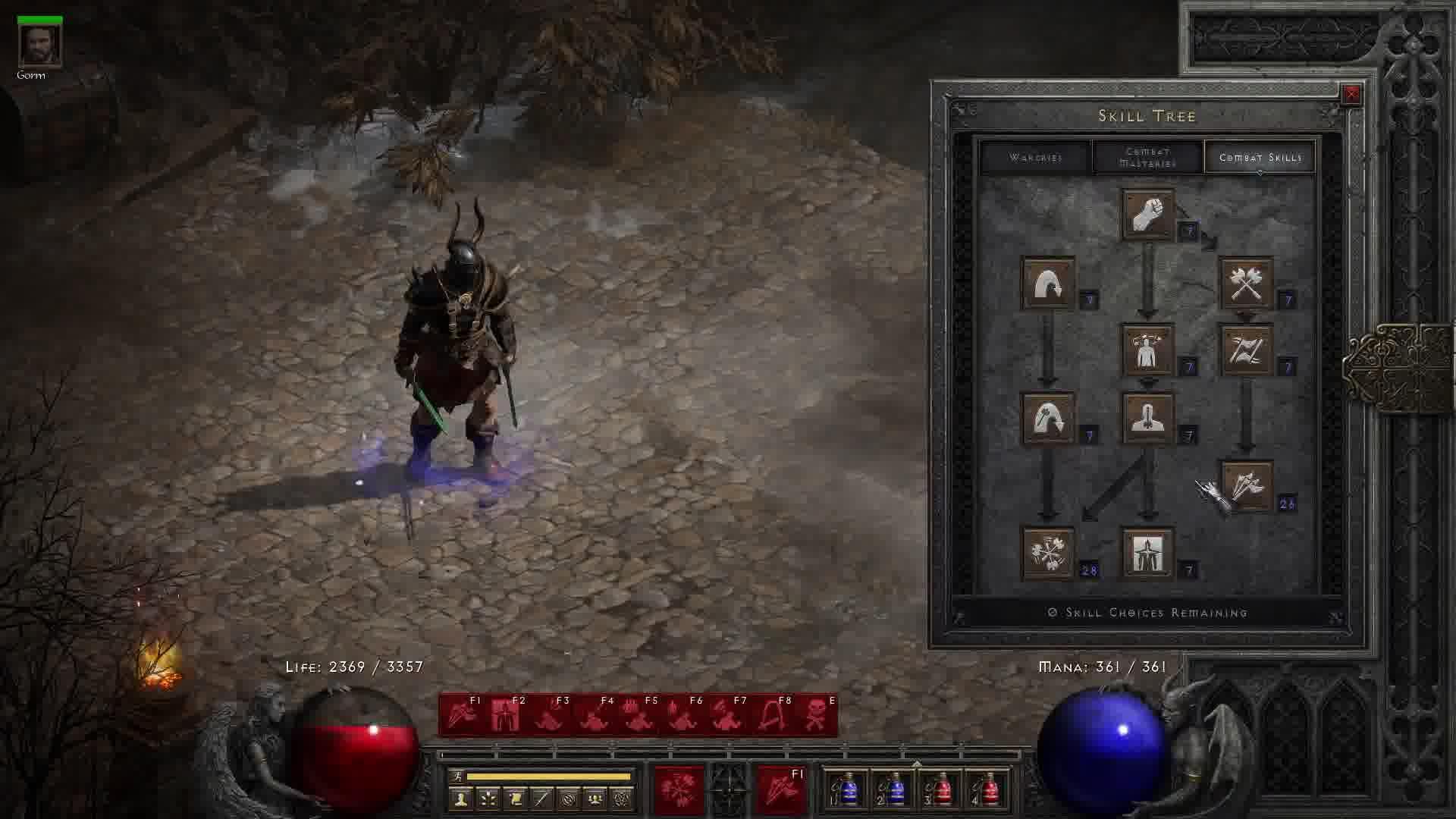
The influence of Diablo II extends far beyond its original release. Many modern action RPGs have adopted concepts that the classic helped popularize, including randomized equipment, repeatable boss encounters, skill-based character development, and endlessly evolving builds.
Diablo II: Resurrected provides a chance to experience those foundations through a modern presentation.
The world remains dark and hostile. Players travel through environments filled with demons, abandoned settlements, ancient tombs, and dangerous wilderness. The narrative provides a reason to move forward, but the deeper attraction is the progression system.
Characters become stronger as they acquire experience and equipment.
This progression is satisfying because improvements are visible in combat. A weak character may struggle against ordinary enemies at the beginning. Later, the same character can destroy entire groups with a single carefully optimized ability.
That transformation is central to the ARPG experience.
The remastered visual engine makes this progression even more dramatic. Characters, enemies, environments, and magical effects all receive modern treatment.
The contrast between the classic and modern presentations is particularly fascinating. Players can see how the same fundamental world changes when represented with contemporary technology.
The classic mode preserves the nostalgia. The updated presentation emphasizes atmosphere and detail.
This dual identity helps Diablo II: Resurrected serve two audiences simultaneously.
Veterans can return to a familiar adventure without feeling that its original character has disappeared. New players can discover the game without being immediately confronted by outdated visuals.
The class system is another major part of the legacy.
The traditional seven classes each provide a distinct gameplay identity. Adding the Warlock concept creates another opportunity to demonstrate how different character archetypes can change the fundamental experience.
Its Demon, Eldritch, and Chaos paths encourage players to think about combat differently. Instead of simply increasing the number of available abilities, they provide distinct strategic directions.
This reflects an important principle of ARPG design: variety comes from meaningful choices.
The same principle appears in itemization.
D2R Items are valuable because they interact with character development. The right equipment can change the effectiveness of skills, alter combat speed, improve survivability, or enable an entirely new build.
This relationship between loot and character progression remains one of the most copied ideas in the genre.
Endgame activities further reinforce the legacy.
Terror Zones and powerful boss encounters give experienced players reasons to continue playing after the story has been completed. The goal becomes optimization rather than simple completion.
Players can chase more powerful equipment, test new builds, improve farming efficiency, and challenge difficult enemies.
Modern conveniences help support this process.
Loot filters reduce clutter. Organized stash systems make item management easier. Automatic gold pickup removes repetitive interactions.
These improvements may appear minor compared with graphical upgrades, but they can significantly affect long-term enjoyment.
The game also accommodates players who approach progression differently. Some want to earn everything through traditional farming. Others may choose to D2R Items for sale to accelerate the process and spend more time experimenting with advanced builds.
The important thing is that the core design remains centered on choice.
Players decide which class to use, which skills to develop, which equipment to pursue, and which enemies to challenge.
That freedom is one reason the original formula has survived for so long.
A game can have impressive graphics and a memorable story, but long-term replayability often comes from systems that encourage experimentation. Diablo II succeeded because its systems interact in ways that create endless possibilities.
A new piece of equipment can inspire a new build. A new build can encourage a different farming strategy. That farming strategy can produce another item that leads to another experiment.
The cycle continues.
This is why Diablo II: Resurrected remains more than a graphical remake of an old game. It represents a bridge between generations of ARPG design.
It shows modern players where many familiar ideas began while giving longtime fans a reason to return.
The gates of Hell may have first opened decades ago, but the formula remains remarkably effective: fight, explore, collect, improve, and repeat.

 English
 Arabic
 French
 Spanish
 Portuguese
 Deutsch
 Turkish
 Dutch
Dutch
 Italiano
 Russian
 Romaian
 Portuguese (Brazil)