


Hinge Joint Fencing for Flexible Rural Boundaries
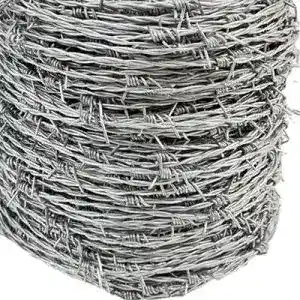
Hinge Joint Fencing for Flexible Rural Boundaries
Rural fencing needs to provide dependable livestock control while adapting to the natural conditions of the property. Farms and grazing properties may contain uneven ground, slopes and changing terrain, making flexibility an important consideration when selecting a fencing system.
Hinge joint fencing provides a flexible wire mesh solution for farms, livestock properties and rural boundaries. Its hinge-style connections allow the fence to absorb movement and pressure while maintaining its overall structure.
For Australian agricultural properties, choosing a fencing material that combines flexibility, strength and corrosion resistance can help create a practical long-term fencing system.
What Is Hinge Joint Fencing?
Hinge joint fencing is a woven wire mesh system where horizontal wires connect with vertical stay wires using flexible hinge-style knots.
The hinge connection allows a degree of movement when pressure is applied to the fence. This can be useful when livestock push against the mesh or when the fence follows uneven ground.
The flexible design makes hinge joint fencing particularly practical for rural properties with varied terrain.
Why Flexibility Matters
Not every agricultural property has perfectly flat land.
Fences may need to cross slopes, rolling ground or uneven terrain. A rigid fence can require additional planning to maintain its structure across changes in elevation.
Hinge joint fencing can adapt more easily to natural contours.
The flexible connection allows sections of the fence to move without immediately placing excessive stress on individual points.
This makes it a useful option for many rural applications.
Livestock Control
Livestock fencing needs to provide an effective physical barrier while remaining durable under regular pressure.
Hinge joint fencing can be used for sheep, goats and suitable cattle applications.
The mesh spacing should be selected according to the livestock being managed.
Smaller animals require appropriate mesh dimensions to reduce the risk of passing through the fence, while larger livestock require a structure capable of handling greater pressure.
Hinge Joint Fencing for Farms
Farm fencing can serve several purposes, including livestock containment, paddock separation and boundary management.
A flexible fencing system can make installation easier across varied terrain.
For farm fencing Australia, selecting suitable wire and mesh products is important for creating a dependable boundary.
The final fencing design should consider the size of the property, livestock, terrain and environmental exposure.
Hot Dip Galvanised Protection
Fencing remains outdoors throughout the year and can be exposed to rain, moisture and other environmental factors.
Hot dip galvanising creates a protective zinc coating around steel wire. This coating helps improve resistance against corrosion.
For rural fencing, corrosion protection is especially important because large fences can be difficult and expensive to replace.
A durable coating can help extend the useful life of fencing material while reducing maintenance requirements.
Uneven and Rolling Terrain
One of the strongest advantages of hinge joint fencing is its ability to follow changes in terrain.
A fence installed across rolling land needs to maintain its general structure while adapting to the ground.
The flexible hinge connections can help the mesh follow natural contours.
This can make hinge joint fencing useful for farms with slopes, uneven paddocks and varied rural landscapes.
Hinge Joint Fencing for Livestock
Different animals place different levels of pressure on fencing.
Sheep may push against mesh, while goats can test weak points in a fence. Cattle can also place considerable pressure on fencing systems.
The correct mesh configuration and installation method should therefore be selected according to the intended livestock application.
For properties managing multiple animals, the fencing design should address the needs of the largest and most active animals.
Combining Hinge Joint Fencing With Other Materials
A complete rural fencing system may include several different products.
Hinge joint mesh can be used alongside appropriate wire, posts and gates depending on the property's requirements.
The supporting structure is important because even high-quality mesh requires appropriate installation to perform effectively.
Post spacing, tension and attachment should all be considered during installation.
Benefits of Hinge Joint Fencing
Hinge joint fencing offers several practical advantages:
-
Flexible knot design
-
Suitable for uneven terrain
-
Effective livestock containment
-
High-tensile wire construction
-
Useful for farms and rural properties
-
Suitable for sheep and goats
-
Can be used for suitable cattle applications
-
Galvanised options provide corrosion protection
-
Practical for long rural boundaries
The correct specification should always be selected according to the intended application.
Maintenance Requirements
All fencing should be inspected regularly.
Farmers should look for broken wires, loose sections, damaged posts and areas where animals have pushed against the fence.
Vegetation should also be controlled around the fence line where necessary.
Regular inspection is particularly useful on large rural properties because small areas of damage can become more serious if they are not repaired.
Planning a Rural Fence
Before purchasing fencing materials, determine the total length of the fence and identify the areas where different fencing systems are required.
The property should be assessed for slopes, corners, gates and difficult access areas.
Livestock requirements should also be identified.
A detailed plan can help determine the appropriate mesh, posts and other components needed for the project.
Frequently Asked Questions
What is hinge joint fencing?
Hinge joint fencing is woven wire mesh connected with flexible hinge-style knots that allow the fence to absorb movement and follow uneven terrain.
Is hinge joint fencing good for farms?
Yes. It is widely suited to rural applications where livestock containment and flexibility are important.
Can hinge joint fencing handle uneven ground?
Its flexible design allows it to adapt to rolling and uneven terrain more easily than some rigid fencing systems.
Is hinge joint fencing suitable for sheep?
Yes. It is commonly used for sheep fencing when the appropriate mesh spacing is selected.
Why choose galvanised hinge joint fencing?
Hot dip galvanising helps protect the steel wire against corrosion and outdoor environmental exposure.
Conclusion
Hinge joint fencing provides a flexible and practical solution for rural properties where terrain and livestock requirements need to be considered carefully.
Its flexible connections can help the fence follow uneven ground while absorbing some livestock pressure. When combined with appropriate galvanised protection and correct installation, hinge joint fencing can provide dependable performance for farms and rural boundaries.
The best fencing solution depends on livestock, terrain, fence length and environmental conditions, so each project should be planned around the specific requirements of the property.

 English
 Arabic
 French
 Spanish
 Portuguese
 Deutsch
 Turkish
 Dutch
Dutch
 Italiano
 Russian
 Romaian
 Greek
Greek