


Kitchen Cabinet Doors Vinyl Wrap: A Practical Guide to a Modern Kitchen Makeover
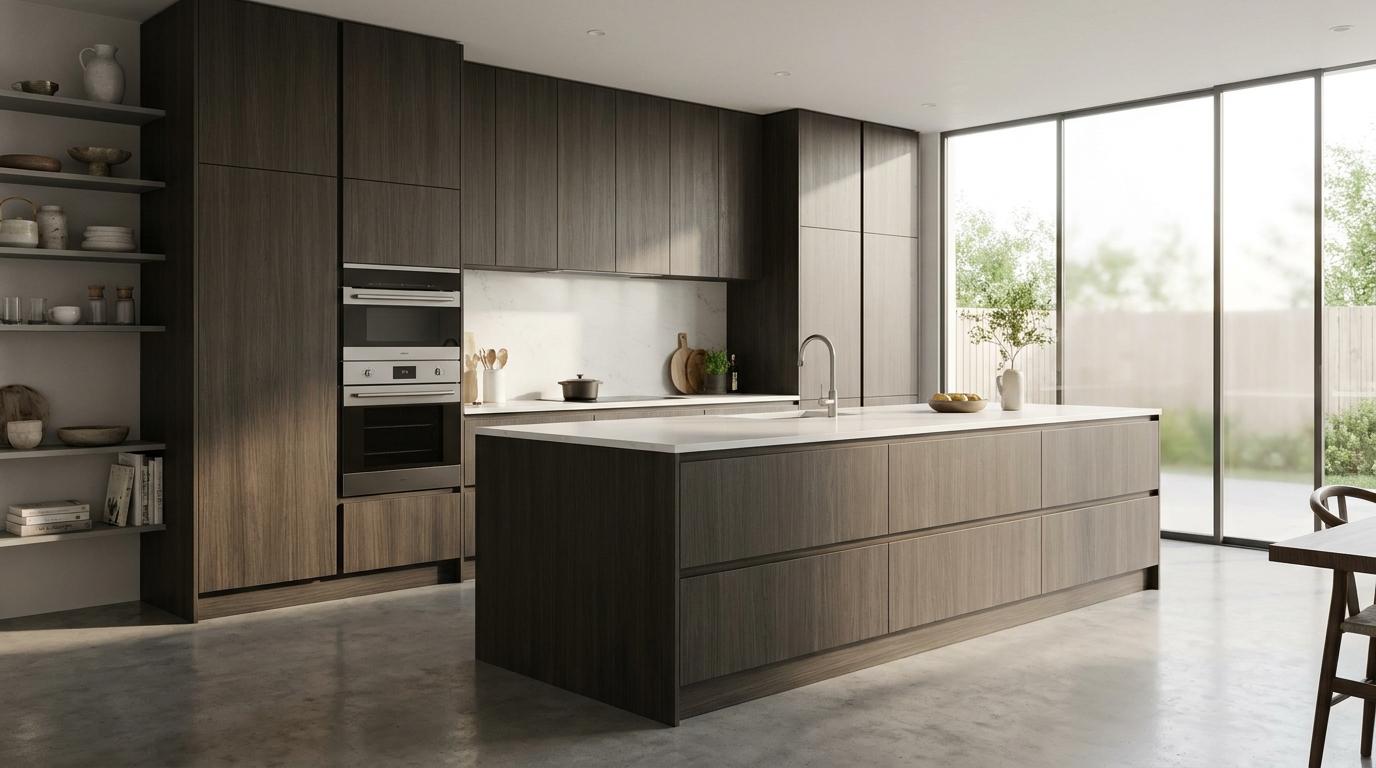
Kitchen renovations do not always require new cabinets. If the cabinet doors remain structurally sound but look outdated, kitchen cabinet doors vinyl wrap can provide a practical way to change their appearance without removing the entire kitchen.
Modern architectural films can reproduce the appearance of wood, stone, metal, solid colours, and textured finishes. Professional products such as 3M DI-NOC are specifically designed for interior surfaces, including cabinets, while Avery Dennison also offers architectural surface finishes intended for application over existing surfaces.
For homeowners who want a fresh appearance with less disruption than a complete replacement, cabinet wrapping can be worth considering.
What Is Vinyl Wrapping for Kitchen Cabinet Doors?
Vinyl cabinet wrapping involves applying a thin decorative film over an existing cabinet door or drawer front. The film uses an adhesive backing to bond to a properly prepared surface and creates a new visible finish without replacing the underlying material.
Unlike ordinary decorative stickers, professional architectural films are engineered for interior refurbishment. They can conform around suitable edges, corners, and certain shaped surfaces when installed correctly.
The biggest attraction is design flexibility. A dated oak-effect kitchen, for example, could receive a contemporary matte finish, while plain cabinet doors could take on the appearance of walnut, marble, brushed metal, or another decorative material.
Some professional ranges offer hundreds of design choices. 3M currently lists more than 900 DI-NOC patterns, colours, and textures, including wood, metal, stone, and solid-colour options.
Why Choose Vinyl Wrap for Kitchen Cabinets?
Refresh the Kitchen Without Replacing the Cabinets
Replacing a kitchen means paying for new doors, fittings, labour, transportation, and potentially alterations to the existing units. Wrapping focuses on the visible surfaces instead.
This makes it particularly useful when the cabinet boxes are still strong and functional but the doors have become scratched, faded, or stylistically outdated.
Large Choice of Colours and Textures
A wrap does more than change a cabinet from white to black. Modern films can create realistic surface effects that imitate natural materials.
Popular options include:
- Matte black and dark grey
- Gloss white
- Natural oak and walnut
- Marble and stone effects
- Concrete textures
- Brushed metal
- Soft-touch and textured finishes
- Contemporary solid colours
3M describes DI-NOC as suitable for walls, doors, cabinets, and complex curved interior surfaces, while its product range includes wood, metallic, carbon, and solid-colour designs.
Less Disruption Than a Major Renovation
A cabinet refurbishment can usually take place without dismantling the entire kitchen. The installer can remove suitable doors and drawers, prepare them, apply the film, and reinstall the finished components.
This approach can reduce the amount of noise, dust, demolition, and downtime associated with conventional renovation work. 3M specifically positions DI-NOC as a quick refurbishment solution designed to reduce downtime and construction waste.
Types of Vinyl Wrap for Kitchen Cabinet Doors
The right finish depends on the style of the kitchen and the condition of the existing doors.
Wood-effect film works well when you want warmth and a traditional appearance without installing real timber veneer. Oak, walnut, ash, and other grain patterns can create a completely different visual character.
Matte film suits minimalist and contemporary kitchens. It produces a softer appearance and can help create a sophisticated, understated finish.
Gloss film reflects more light and can work particularly well in smaller kitchens where you want the room to feel brighter and more open.
Stone and marble effects can coordinate cabinet doors with countertops and splashbacks. They are especially useful when you want a luxury appearance without replacing multiple surfaces.
Metallic finishes can introduce an industrial or modern aesthetic. Architectural film collections include finishes designed to imitate metals and other manufactured surfaces.
For busy kitchens, it is worth checking the manufacturer's technical data rather than choosing a film based purely on appearance. Some specialist products are specifically developed for higher-traffic environments and improved abrasion resistance.
How to Wrap Kitchen Cabinet Doors
1. Inspect the Existing Doors
The substrate needs to provide a suitable foundation for the film. Loose laminate, badly damaged surfaces, swollen MDF, peeling coatings, or significant moisture damage may require repair or replacement before wrapping.
Wrapping does not fix structural problems underneath the film.
2. Remove Handles and Hardware
Remove handles, knobs, hinges where appropriate, and other hardware that could interfere with installation. Labeling components during removal can make reassembly easier.
3. Clean and Prepare the Surface
Surface preparation is one of the most important parts of the process. Grease, dust, polish, silicone residue, and other contaminants can interfere with adhesive performance.
Kitchen doors deserve particular attention because cooking creates grease deposits that may not be obvious at first glance.
4. Measure and Cut the Film
The installer cuts the film with enough material to cover the required surface and accommodate suitable edges. Accurate measurement helps minimise waste and prevents unnecessary joins.
5. Apply the Vinyl
The film is gradually positioned and applied while controlling tension and pressure. Professional architectural films can incorporate adhesive technologies that make application easier.
For example, 3M says its Comply Adhesive technology helps virtually eliminate bubbles during application.
6. Finish the Edges Carefully
Edges can determine whether a wrapped cabinet looks professionally finished or like a temporary DIY project. The installer should carefully work around corners, profiles, hinges, and handles.
Not every cabinet profile is equally suitable for wrapping, so complex doors should be assessed before ordering material.
7. Reinstall the Hardware
Once the film has been properly finished, the doors and hardware can be reassembled. Alignment matters because uneven gaps can become more noticeable after the kitchen receives a new finish.
Which Cabinet Materials Can Be Wrapped?
Vinyl film can work with several common cabinet substrates, but compatibility depends on the specific product and surface condition.
Suitable substrates may include properly prepared:
- MDF
- Painted cabinet doors
- Laminate
- Wood
- Metal
- Other smooth interior surfaces
3M's technical documentation lists applications on materials including metal, wood, interior glass, and complex 3D surfaces.
However, manufacturers' installation instructions should always take priority. A porous, damaged, greasy, excessively textured, or unstable surface may require additional preparation or may not be suitable at all.
Vinyl Wrap vs Painting vs Replacing Cabinet Doors
Painting can be an effective solution, particularly when you want a conventional painted finish. However, it requires careful preparation and multiple stages, and achieving a factory-like finish around edges and profiles can take considerable skill.
Vinyl wrapping offers a different approach. Instead of creating a coating, it adds a manufactured decorative surface. This can provide consistent patterns and textures across multiple doors.
Complete cabinet replacement provides the greatest opportunity to change the kitchen's layout and construction, but it generally involves more material, labour, and disruption.
For a kitchen whose layout already works, wrapping can therefore make sense when the primary problem is appearance rather than functionality.
The refurbishment approach also has a material-efficiency advantage. 3M describes DI-NOC as a remodel-and-reuse solution intended to extend the life of existing surfaces while reducing material, labour, downtime, and construction waste.
How to Maintain Wrapped Kitchen Cabinets
Maintenance starts with using appropriate cleaning methods. Wipe surfaces regularly to prevent grease and food residue from building up.
Use cleaning products recommended by the film manufacturer. Avoid aggressive chemicals, abrasive pads, or harsh scrubbing unless the product documentation specifically permits them.
3M says DI-NOC is resistant to common stains, cleaners, and disinfectants and is designed for easy cleaning and maintenance.
Pay particular attention to cabinet edges. Repeated impact, moisture exposure, or incorrect cleaning can affect the finish over time.
Common Mistakes to Avoid
One of the most common mistakes is applying film directly over a dirty surface. Even a high-quality adhesive cannot compensate for poor preparation.
Another mistake is buying the cheapest decorative film without checking whether it is intended for cabinetry. Interior architectural films vary considerably in adhesive performance, surface construction, durability, and recommended applications.
It is also risky to assume that every cabinet door can be wrapped successfully. Highly damaged, heavily profiled, or moisture-compromised doors may need another solution.
Finally, avoid choosing a colour from a screen alone. Request physical samples when possible. Lighting can significantly change how a particular wood grain, grey, white, or metallic finish appears inside a kitchen.
Frequently Asked Questions
Is vinyl wrap good for kitchen cabinet doors?
Yes, when the existing doors are structurally sound and the correct film is professionally installed. It can provide a new decorative finish without replacing the underlying cabinet doors.
How long does kitchen cabinet vinyl wrap last?
The lifespan depends on the film, installation quality, location, cleaning routine, and level of use. Some professional architectural films publish substantial indoor performance expectations. For example, 3M's DI-NOC technical data lists an expected performance life of up to 12 years for indoor vertical applications under specified conditions.
Can you wrap MDF kitchen cabinet doors?
Yes, MDF can be suitable when its surface is stable, smooth, clean, and properly prepared. The exact suitability depends on the condition of the MDF and the film manufacturer's requirements.
Can vinyl wrap be removed from kitchen cabinets?
Many architectural films can be removed, but removal characteristics vary by product, adhesive, substrate, installation method, and age. Always check the manufacturer's technical documentation before assuming the original surface will remain completely unchanged.
Is cabinet wrapping cheaper than replacing doors?
It can be, particularly when the existing doors and cabinet structure remain usable. However, the final price depends on the number of doors, door profiles, film quality, preparation requirements, and installation labour.
Can vinyl wrap look like real wood?
Yes. Modern architectural films can reproduce detailed wood-grain patterns and textures. 3M, for example, offers Fine Wood designs and describes its films as reproducing the appearance of natural materials.
Can I wrap kitchen cabinets myself?
DIY wrapping is possible on simple, flat doors, but professional installation can produce better results around edges, corners, profiles, and handles. For a complete kitchen, experience with surface preparation and film handling can make a significant difference.

 English
 Arabic
 French
 Spanish
 Portuguese
 Turkish
 Dutch
Dutch
 Italiano
 Russian
 Romaian
 Portuguese (Brazil)
 Greek
Greek