


Commercial Pressure Washers: A Complete Guide for Professional Cleaning
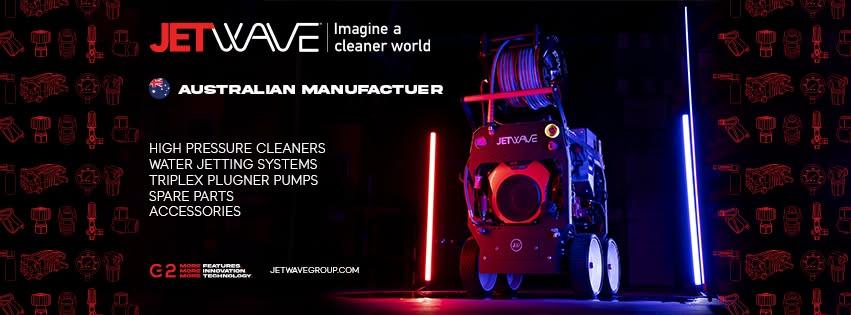
Commercial pressure washers have become an essential part of professional cleaning across construction, agriculture, transport, mining, facilities management, plumbing, and many other industries. Unlike basic domestic machines, commercial pressure washers are designed for demanding jobs, longer operating periods, and tougher cleaning conditions.
Choosing the right machine is not simply about buying the model with the highest PSI. Pressure, water flow, power source, operating time, portability, accessories, and the type of surface being cleaned all play an important role. A properly selected commercial pressure washer can make difficult cleaning work faster, more consistent, and more manageable.
What Are Commercial Pressure Washers?
Commercial pressure washers are high-pressure cleaning machines designed for frequent or professional use. They use a pump to pressurise water and deliver it through a hose and nozzle at high velocity. This concentrated water stream helps remove dirt, mud, grease, oil, grime, mould, and other contaminants from suitable surfaces.
Professional machines are available in different configurations, including electric and petrol-powered models, cold-water and hot-water systems, trolley units, skid-mounted machines, cube configurations, and trailer-mounted solutions.
For example, current commercial ranges include machines producing around 3,000 PSI as well as heavy-duty models exceeding 5,000 PSI.
Why Use a Commercial Pressure Washer?
The main advantage of a commercial pressure washer is productivity. Manual scrubbing can require considerable time and labour, particularly when cleaning large areas or heavily contaminated surfaces.
High-pressure water can help operators clean:
- Concrete floors and driveways
- Machinery and industrial equipment
- Trucks, trailers, and vehicles
- Building exteriors
- Agricultural equipment
- Workshop floors
- Construction equipment
- Mining machinery
- Commercial premises
- Outdoor areas and hard surfaces
The right machine can reduce cleaning time while delivering a more consistent result. For businesses where cleaning is performed regularly, investing in professional equipment can also provide greater durability and reliability than equipment intended for occasional domestic use.
PSI and LPM: Understanding Pressure Washer Performance
Two specifications are particularly important when comparing commercial pressure washers: PSI and LPM.
PSI, or pounds per square inch, indicates the pressure produced by the machine. Higher pressure can be useful when removing stubborn contamination from suitable surfaces.
LPM, or litres per minute, measures the amount of water the machine delivers. Higher water flow can help move loosened dirt and cover larger areas more efficiently.
This means that choosing a machine based solely on PSI can be misleading. A professional cleaning application may benefit more from a balanced combination of pressure and water flow.
For example, Jetwave's commercial range includes machines such as a 3,000 PSI model delivering 21 LPM and heavy-duty systems exceeding 5,000 PSI with higher flow rates.
Cold Water vs Hot Water Pressure Washers
Commercial pressure washers are generally available as cold-water or hot-water machines.
Cold-water pressure washers are suitable for many general cleaning applications, including removing mud, dust, loose dirt, and other contaminants. They are commonly used for equipment, vehicles, buildings, concrete, and outdoor cleaning.
Hot-water pressure washers add heated water to the cleaning process. Heat can be particularly useful when dealing with grease, oil, fats, and other contaminants that respond better to elevated temperatures.
The best choice depends on the type of contamination and the working environment. For some applications, a powerful cold-water machine may be sufficient, while greasy industrial cleaning can justify a hot-water system.
Jetwave's current range includes professional hot-water models available in configurations such as skid, cube, and trailer-mounted systems.
Electric or Petrol Commercial Pressure Washer?
The power source is another important consideration.
Electric pressure washers can be a practical choice where reliable electrical power is available. They are often suitable for workshops, factories, commercial facilities, and other locations where access to electricity is convenient. Jetwave's electric range includes professional and industrial models, including machines designed for continuous industrial use.
Petrol pressure washers offer greater flexibility for outdoor and remote applications where electrical power may not be readily available. They are commonly used on construction sites, farms, industrial properties, and mobile cleaning operations.
Petrol-powered commercial machines are available with different engine sizes and performance levels. For example, Jetwave's range includes professional daily-use petrol machines using Honda and JX engines.
Choosing the Right Commercial Pressure Washer
Before purchasing a commercial pressure washer, consider the work it will perform.
1. Identify the Cleaning Application
Think about what you will clean most often. A machine used for vehicles may have different requirements from one used for industrial equipment or concrete.
2. Consider PSI and Water Flow
Look at both pressure and LPM rather than focusing on PSI alone. The right balance can improve cleaning performance and productivity.
3. Choose the Correct Power Source
Consider whether electricity is consistently available at your workplace. For mobile jobs, petrol-powered equipment may provide greater flexibility.
4. Consider Duty Cycle
Professional machines are designed for regular use, but models still have different duty classifications. If your equipment will operate daily or for extended periods, choose a machine designed for that workload.
5. Think About Portability
Trolley, skid, cube, and trailer configurations can serve different working environments. A portable unit may be ideal for moving between cleaning areas, while a trailer-mounted system can be useful for mobile cleaning businesses.
6. Check Accessories and Spare Parts
Hoses, nozzles, hose reels, spray guns, surface cleaners, pumps, and other accessories can significantly affect how efficiently a machine performs. Easy access to replacement parts and servicing is also important for professional operations.
Commercial Pressure Washers for Australian Businesses
Australian businesses can face challenging cleaning environments, from dusty construction sites to agricultural properties and industrial facilities. This makes equipment durability and suitability particularly important.
A professional supplier should offer more than just a pressure washer. Technical guidance, servicing, spare parts, accessories, and application knowledge can all contribute to a better long-term investment.
Jetwave provides a broad range of high-pressure cleaners, water jetting systems, professional vacuum cleaners, accessories, and spare parts, with products covering applications from commercial cleaning through to heavy industrial environments.
Maintenance Tips for Commercial Pressure Washers
Regular maintenance can help protect your investment and reduce unexpected downtime.
Always follow the manufacturer's operating and maintenance instructions. Check hoses, fittings, connections, nozzles, filters, pump components, oil levels, and other relevant parts as recommended for your machine.
Water supply is also important. A pressure washer should not be operated without the required water supply. Manufacturer instructions for professional equipment commonly emphasise correct water connection and removing air from the system before operation.
Keeping equipment clean and storing it appropriately can also help extend its working life.
How Much Pressure Do You Need?
There is no single PSI rating that is perfect for every commercial application.
Light commercial cleaning may require considerably less pressure than heavy industrial cleaning. Choosing excessive pressure can potentially damage unsuitable surfaces, while insufficient pressure may result in slow and inefficient cleaning.
The best approach is to match the machine to the surface, contamination, cleaning method, required productivity, and available water supply.
For businesses looking for professional equipment, jetwave group offers commercial and industrial high-pressure cleaning solutions across a range of pressure, flow, power, and configuration options. Its current product range includes professional daily-use machines and industrial continuous-duty models.
A quality commercial pressure washer is ultimately an investment in productivity. By selecting the right pressure, water flow, power source, configuration, and accessories, businesses can build a cleaning setup that matches their actual workload. Instead of choosing a machine simply because it has a high PSI rating, focus on the complete system and the demands of your cleaning applications.

 English
 Arabic
 French
 Spanish
 Portuguese
 Deutsch
 Turkish
 Dutch
Dutch
 Italiano
 Russian
 Romaian
 Portuguese (Brazil)