


Can DIY Radon Removal Service Reduce Radon Levels Safely
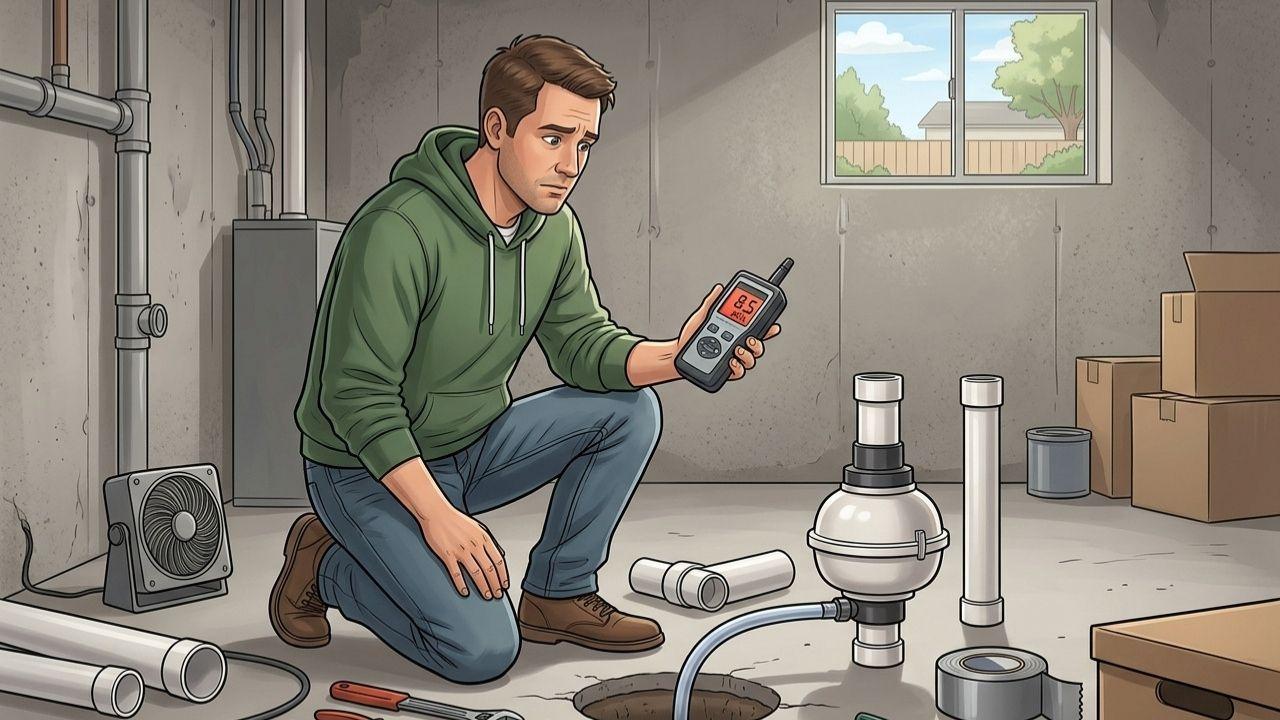
Radon is a naturally occurring radioactive gas that can enter homes through cracks in foundations, floor drains, sump pits, and other openings. Because it is invisible and odorless, homeowners may not realize they have a radon problem without proper testing. This leads many people to consider a DIY radon removal service as a way to reduce radon levels without immediately hiring a professional.
While some basic steps can help reduce radon entry, effective radon mitigation requires careful planning, accurate testing, and proper installation. Understanding what homeowners can safely do themselves and when professional assistance is necessary is important for protecting indoor air quality.
What Is a DIY Radon Removal Service
A DIY radon removal service generally refers to homeowners taking steps themselves to identify and reduce radon levels. This can include sealing visible cracks, improving ventilation, and installing a radon mitigation system.
However, radon reduction is different from many ordinary home improvement projects. Simply sealing a few cracks may not solve the problem because radon can enter through multiple pathways. A properly designed mitigation system typically uses a pipe and fan to draw radon from beneath the building and exhaust it safely outside.
Why Should You Test for Radon First
Testing should be the first step before attempting radon removal. A radon test can establish whether elevated levels are present and provide a baseline for determining whether mitigation efforts are working.
Short-term and long-term radon tests are commonly used. A short-term test can provide relatively quick information, while longer testing can provide a better picture of average exposure over time.
Without testing, homeowners may spend money on repairs without knowing whether those measures actually reduce radon concentrations.
DIY Steps That May Help
Some basic measures can be performed by homeowners. These steps may complement a proper mitigation strategy but should not automatically be considered a complete radon removal solution.
Seal Cracks and Openings
Inspect the basement or lowest level of the home for cracks in concrete floors, foundation walls, construction joints, and gaps around pipes. Sealing these openings can reduce potential pathways for soil gas entry.
Improve Ventilation
Increasing ventilation may temporarily reduce indoor radon concentrations in some homes. However, ventilation alone is generally not a reliable substitute for a properly designed mitigation system.
Check Sump Pits and Drains
Open sump pits and floor drains can provide pathways for soil gases. Appropriate covers and sealing methods can help limit radon entry while still allowing drainage systems to function correctly.
When DIY Removal May Not Be Enough
A DIY approach becomes more challenging when radon levels remain elevated after basic sealing and ventilation measures. Homes can have different foundation designs, soil conditions, and entry pathways, meaning one solution does not work for every property.
A professional can evaluate the building, determine how radon is entering, and design an appropriate mitigation system. Professional installation can also help ensure that the system exhausts radon safely away from the home's living spaces.
How to Verify the Results
After making changes, testing should be performed again to determine whether radon levels have decreased. This step is essential because a mitigation method should be evaluated by its results rather than by appearance or installation alone.
If levels remain high, additional mitigation may be required. Continuing to monitor radon after mitigation can also help homeowners identify changes in system performance.
Should You Choose a DIY Radon Removal Service
A DIY radon removal service can be useful for homeowners who want to take an active role in improving their home's environment. Basic tasks such as identifying and sealing openings may be reasonable starting points. However, installing or modifying a complete radon mitigation system can involve technical considerations that are better handled by a qualified professional.
The safest approach is to test first, address obvious entry points, and verify results afterward. If radon concentrations remain elevated, professional mitigation is usually the more dependable option.
Conclusion
A DIY radon removal service may help homeowners address some potential radon entry points, but it should not be treated as a guaranteed solution. Accurate testing, appropriate sealing, proper ventilation, and effective mitigation design all play important roles in reducing radon exposure.
For homeowners dealing with elevated radon levels, understanding the limits of DIY work can prevent wasted effort and provide greater confidence in the results. Most importantly, always verify radon levels after making changes to ensure that the chosen approach is actually working.

 English
 Arabic
 French
 Spanish
 Portuguese
 Turkish
 Dutch
Dutch
 Italiano
 Russian
 Romaian
 Portuguese (Brazil)
 Greek
Greek