


How Property Cleanliness Directly Drives Tenant Retention and Lease Rates
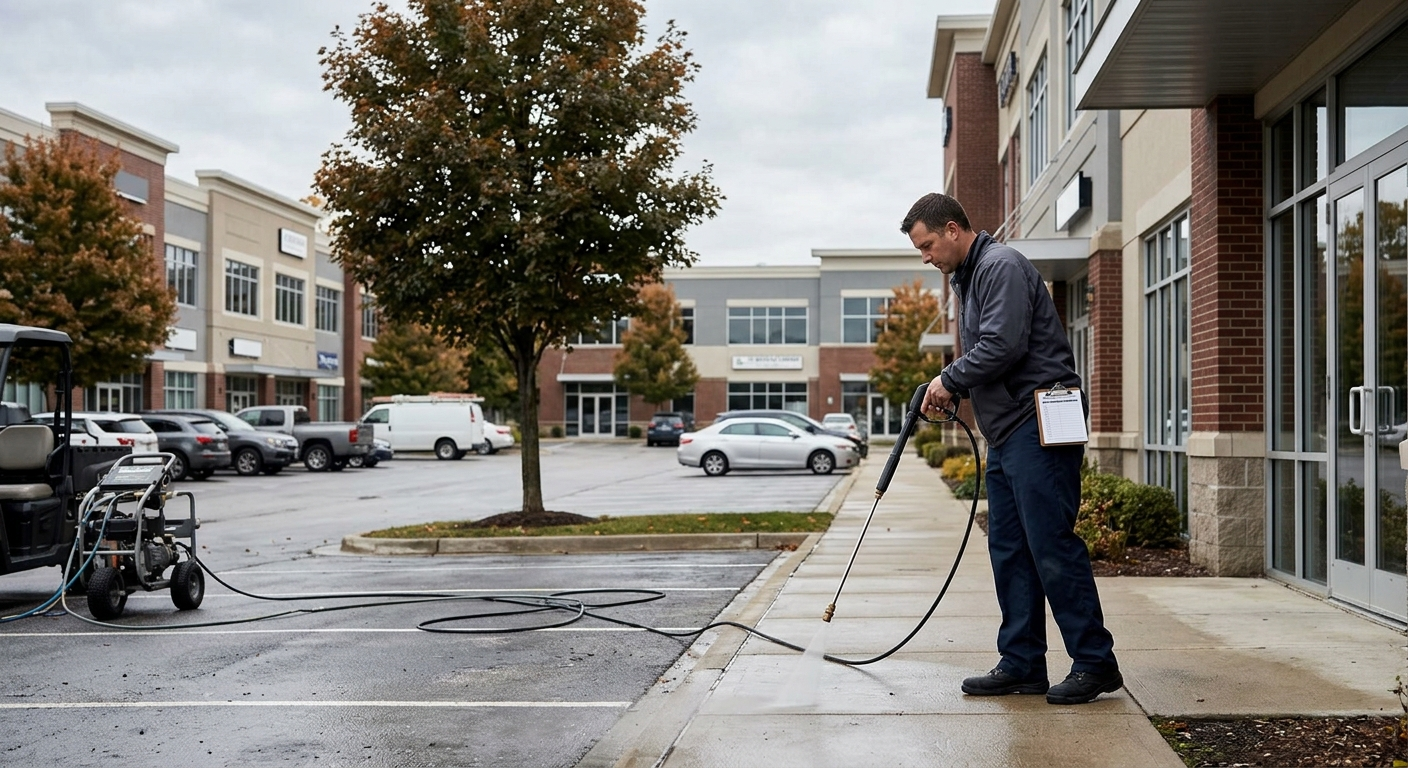
In multi-family real estate management and commercial asset investment, asset value is traditionally viewed through the lens of Net Operating Income (NOI), capitalization rates, and square-footage optimization. However, operational managers often overlook a fundamental driver of these financial metrics: the micro-economics of physical presentation.
The exterior maintenance state of an asset does not merely represent a cosmetic operational expense. Instead, systematic exterior upkeep functions as a direct driver of tenant acquisition, long-term lease retention, and premium per-square-foot valuations.
The Psychology of Curb Appeal in Tenant Acquisition
A prospect’s evaluation of a property begins well before they meet an leasing agent or review a floor plan. Subconscious judgments regarding operational quality, safety, and management responsiveness form within seconds of entering a site.
-
Perceived Management Responsiveness: When building facades, breezeways, and concrete surfaces suffer from algae buildup, oil stains, or grime, prospective tenants assume interior and structural maintenance will be handled with equal negligence.
-
Pricing Power Premium: Clean, crisp structural facades establish a premium baseline. Properties that maintain pristine common areas reliably capture the top tier of local lease rates without incurring resistance during initial negotiations.
-
The "Zero-Defect" Standard: In competitive urban and suburban submarkets, high-income residential and commercial tenants look for excuses to eliminate options. Dirty walkways or stained exterior walls provide an immediate justification to cross an asset off the tour list.
Reducing Tenant Churn: The Financial Impact
Tenant turnover is one of the single largest value destroyers in multi-family real estate. Between turnover repairs, marketing expenses, leasing commissions, and vacant downtime, turning over a single unit can cost property owners thousands of dollars in lost income.
While interior finishes like stone countertops or updated appliances attract initial attention, exterior cleanliness plays a central role in long-term lease renewals.
Community Pride and Resident Satisfaction
Tenants view their residential complex or commercial office suite as an extension of their personal or business identity. A clean environment fosters a sense of pride of place. When residents feel proud to bring guests, clients, or customers to a location, their psychological friction toward relocating increases significantly.
Preventing Environmental Degradation
Environmental contaminants such as mold, mildew, pollen, and salt deposits degrade building material over time, creating unsightly surfaces and structural wear. Implementing scheduled exterior cleaning solutions for property managers removes these aggressive organic layers before they permanently discolor sidings, erode mortar joints, or decay wooden decks.
Quantifying the ROI: Per-Square-Foot Valuation and Preservation
From an asset management perspective, routine maintenance cost structures should be weighed directly against equity preservation. High standards of exterior hygiene pay dividends across several key financial metrics:
-
Lower CapEx Spikes: Regular pressure washing and soft-washing prevent long-term surface erosion, pushing back major capital expenditure expenditures like total repainting or facade replacement by years.
-
Elevated Rent Ceilings: Properties maintaining exceptional curb appeal consistently command lease rates 5% to 15% above market baseline for equivalent square footage compared to aging, unwashed peer assets in the same micro-market.
-
Appraisal and Financing Benefits: Appraisers and institutional lenders evaluate physical condition during refinancing and sales events. Clean, well-maintained exteriors convey lower operational risk, translating to favorable property valuations and smoother capital access.
Integrating specialized commercial property manager cleaning services into your operational strategy transforms exterior upkeep from a reactive chore into a proactive value-creation lever—protecting your cap rate while keeping retention high.

 English
 Arabic
 Spanish
 Portuguese
 Deutsch
 Turkish
 Dutch
Dutch
 Italiano
 Russian
 Romaian
 Portuguese (Brazil)
 Greek
Greek