


Complete Introduction and Uses of Paper Bags | Custom Paper Bags Guide
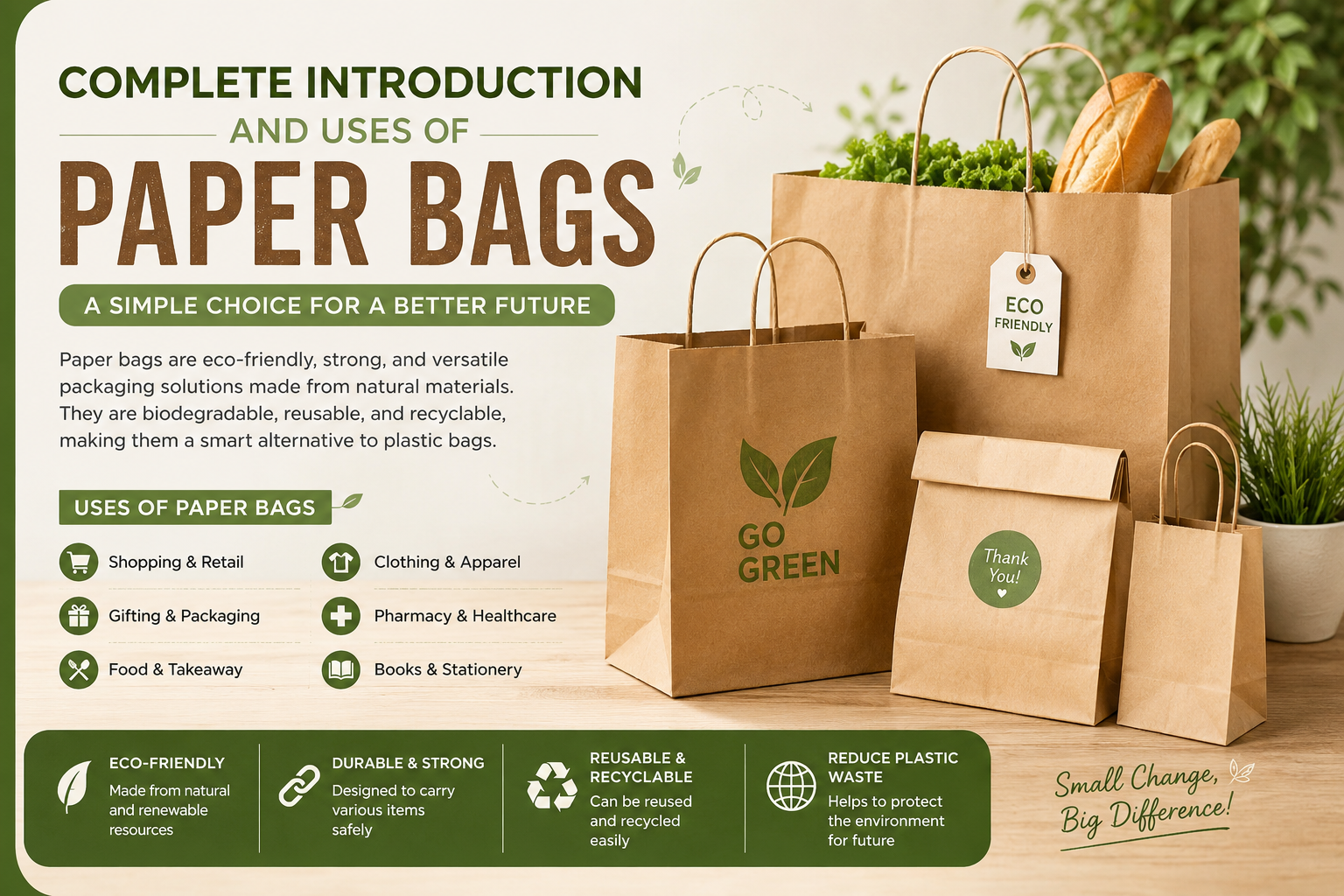
Paper bags have become a staple in everyday life, from grocery shopping to retail packaging. Custom paper bags now serve businesses far beyond simple carrying purposes, offering branding opportunities, sustainability benefits, and practical functionality all at once. Let's take a closer look at their history, types, and everyday applications.
A Brief History of Paper Bags
Paper bags didn't appear overnight. Francis Wolle invented the first paper bag machine back in 1852, revolutionizing how goods were carried and sold. Later, in 1871, Margaret Knight improved the design by creating flat-bottomed bags, making them sturdier and more practical for everyday use. Since then, paper bags have evolved significantly, adapting to modern retail and environmental needs.
Why Paper Bags Remain Popular Today
Despite the rise of plastic alternatives decades ago, paper bags have made a strong comeback. Consumers increasingly prefer eco-friendly options, and businesses have responded accordingly. Unlike plastic, paper bags decompose naturally and often come from renewable resources. Consequently, many retailers now view paper bags as both a practical necessity and a marketing opportunity.
Types of Paper Bags
Paper bags come in various styles, each suited to different purposes.
Flat Paper Bags
These simple, flat-bottomed bags work well for small retail items like jewelry, candles, or bakery goods. They're lightweight and cost-effective, making them ideal for high-volume packaging needs.
Twisted Handle Bags
Twisted handle bags offer a premium look and feel. Retailers often choose this style for boutique shopping experiences, gift shops, or upscale product packaging.
Flat Handle Bags
These bags provide a sturdier grip and a more structured appearance. Many grocery stores and larger retail chains prefer this style for its durability and professional presentation.
Brown Kraft Paper Bags
Brown Kraft paper bags remain one of the most versatile and widely used options available. Their natural, rustic appearance appeals to eco-conscious consumers, while their strength makes them suitable for carrying heavier items. Additionally, businesses often choose this style specifically because it aligns with sustainable branding goals.
Everyday Uses of Paper Bags
Paper bags serve countless purposes across different industries and daily life.
Retail Shopping
Most retail stores use paper bags to package purchases, offering customers a convenient and eco-friendly way to carry items home.
Food and Bakery Packaging
Bakeries, cafes, and restaurants frequently rely on paper bags for takeout orders, sandwiches, and baked goods, since they're breathable and food-safe.
Gift Packaging
Many businesses use decorative paper bags for gift wrapping, adding a personal touch to special occasions like birthdays or holidays.
Grocery Carrying
Grocery stores have long relied on paper bags, especially brown Kraft varieties, for their strength and ability to hold multiple items without tearing.
The Rise of Custom Paper Bags
As branding becomes increasingly important, businesses now turn to Custom paper bags to stand out from competitors. Companies can print logos, brand colors, and unique designs directly onto these bags, transforming a simple carrying tool into a walking advertisement. Every time a customer carries a branded bag through the street, it creates free exposure for the business.
Benefits of Choosing Custom Paper Bags
Custom paper bags offer several advantages beyond aesthetics.
-
Brand Recognition — Unique designs help customers remember and recognize your brand instantly.
-
Sustainability Appeal — Eco-friendly packaging attracts environmentally conscious shoppers.
-
Versatility — Custom sizes and shapes accommodate different product types and industries.
-
Cost-Effectiveness — Bulk ordering often reduces per-unit costs significantly.
Choosing the Right Material and Style
When selecting paper bags, businesses should consider their specific needs carefully. For heavier items, Brown Kraft Paper Bags provide the necessary strength and durability. Meanwhile, lighter, more decorative options work better for gift shops or boutique retailers. Ultimately, matching bag style to product type ensures customer satisfaction and reduces the risk of damage during transport.
Environmental Impact and Sustainability
Paper bags generally offer a smaller environmental footprint compared to plastic alternatives. They decompose faster, often come from recycled materials, and can typically be reused or recycled multiple times. As more consumers prioritize sustainability, businesses that adopt paper packaging solutions position themselves favorably in a competitive market.
Final Thoughts
Paper bags have come a long way since their invention in the 19th century. Today, they serve as functional carrying tools and powerful branding assets. Whether a business chooses custom paper bags for retail packaging or relies on the durability of Brown Kraft Paper Bags for everyday use, these versatile products continue to prove their value across industries. As sustainability remains a growing priority, paper bags will likely remain a popular packaging choice for years to come.

 English
 Arabic
 French
 Spanish
 Portuguese
 Deutsch
 Turkish
 Dutch
Dutch
 Italiano
 Russian
 Romaian
 Portuguese (Brazil)