


Welding Certification Roadmap for Beginners
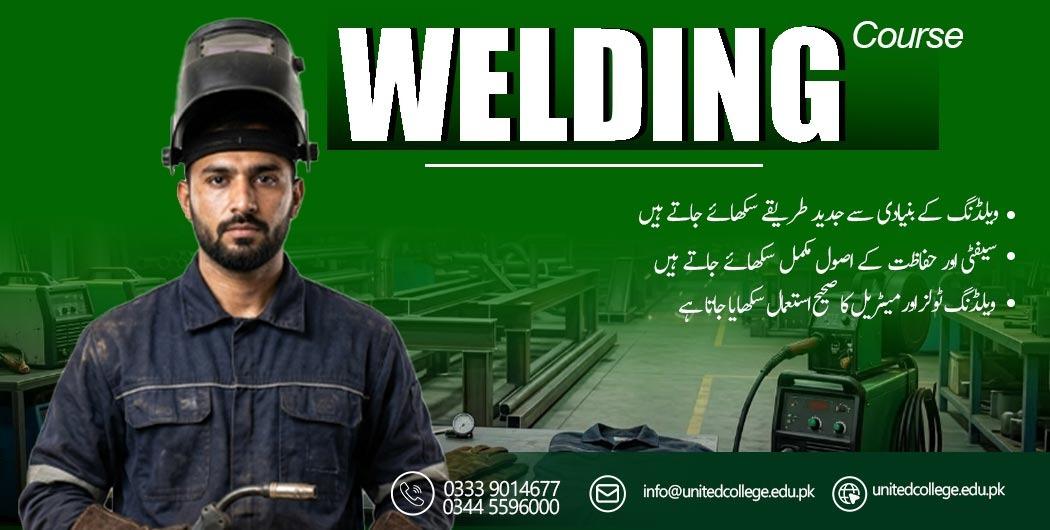
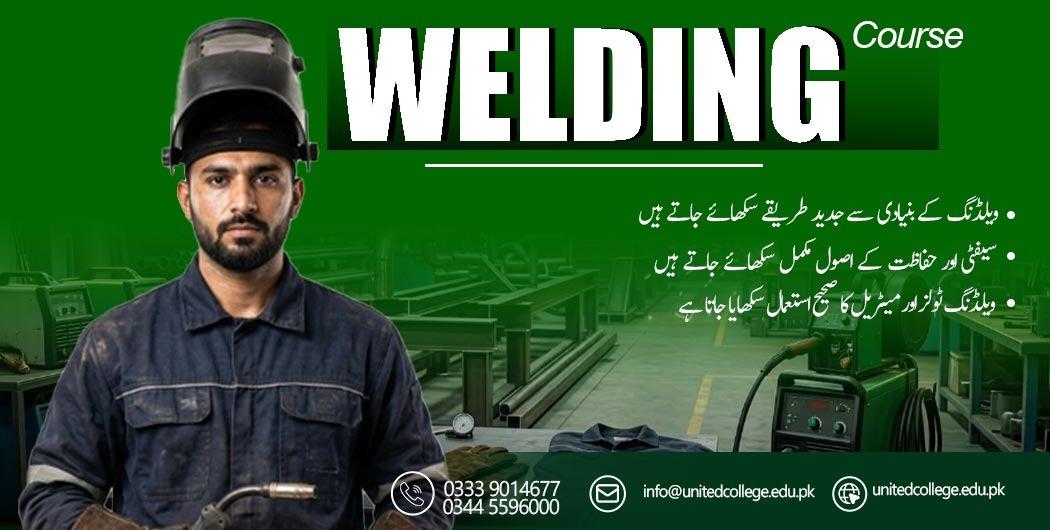
Starting a career in welding can open doors to opportunities in construction, manufacturing, automotive, shipbuilding, fabrication, and many other industries. However, beginners often have one important question: Where should I start?
A clear Welding Certification roadmap can make the journey easier by showing you what to learn, which skills to develop, and how to prepare for professional work. You do not need years of experience to begin. With the right training, practical practice, and safety knowledge, you can build a strong foundation and move toward a successful welding career.
Start by Understanding What Welding Really Involves
Before choosing a course, it is important to understand what a welder actually does. Welding is more than joining two pieces of metal. It requires accuracy, patience, hand control, equipment knowledge, and an understanding of different materials.
Beginners should become familiar with common welding processes such as MIG, TIG, and stick welding. Each process has different applications, equipment, advantages, and challenges.
A good Welding Certification program introduces these fundamentals in a structured way. It helps beginners understand how welding works before they move into more advanced techniques.
Build Your Foundation With Basic Welding Skills
Strong basic skills are the starting point for every successful welder. Beginners should first learn how to prepare metal surfaces, select suitable equipment, adjust machine settings, and create clean welds.
You should also learn how factors such as voltage, amperage, wire speed, electrode selection, and welding position can affect the final result.
Practical training is especially important at this stage. Reading about welding can provide knowledge, but handling welding equipment develops the coordination and confidence needed for real work.
A quality Welding Certification course combines classroom learning with practical exercises so students can gradually improve their technique.
Learn Welding Safety Before Working Independently
Safety should never be treated as an optional part of welding training. Welders work around high temperatures, sparks, fumes, electrical equipment, compressed gases, and heavy materials.
Beginners need to understand proper personal protective equipment, ventilation, fire prevention, electrical safety, cylinder handling, and safe equipment operation.
Learning safety early helps prevent accidents and creates professional habits. A reliable Welding Certification program should make workplace safety an important part of the training rather than something learned later.
Choose the Right Welding Process
There is no single welding process that is perfect for every job. Your choice should depend on the type of work you want to perform and the industries you want to enter.
MIG welding is commonly used for fabrication and production work because it can be relatively fast and efficient. TIG welding provides greater control and is often useful when appearance and precision are important. Stick welding can be valuable for outdoor work, construction, maintenance, and situations where portability matters.
Beginners do not necessarily need to master every process immediately. Starting with one process and developing strong fundamentals can make it easier to learn additional techniques later.
Select a Training Program That Includes Practical Work
Choosing the right training center can significantly influence your progress. Beginners should look for a program that provides both theoretical knowledge and hands-on practice.
A classroom can teach you welding terminology, equipment operation, metal types, joint designs, and safety principles. However, practical workshops allow you to develop the hand skills required to produce consistent welds.
When comparing a Welding Certification program, pay attention to the amount of practical training available. A course that gives students regular access to welding equipment can provide a stronger learning experience than a program focused mainly on theory.
Practice Different Welding Positions
Welding positions can change the difficulty of a job. Beginners usually start with easier positions before progressing toward more challenging work.
As your skills improve, you may practice flat, horizontal, vertical, and overhead welding. Each position requires different body control, torch or electrode movement, and understanding of heat management.
Regular practice helps you become more comfortable with these challenges. During Welding Certification training, students can use supervised exercises to improve their technique and identify mistakes before entering a professional workplace.
Learn to Read Welding Symbols and Drawings
Professional welders often need to understand technical drawings and welding symbols. These instructions can communicate information about joint types, weld locations, dimensions, and other requirements.
For beginners, technical drawings may appear complicated at first. With proper instruction and practice, however, the symbols become easier to understand.
This skill can make you more effective in industrial environments because you will be better prepared to follow project specifications. A complete Welding Certification pathway should therefore include basic blueprint and welding-symbol reading.
Develop Quality Control Awareness
Producing a weld is only part of the job. Welders also need to understand whether their work meets required quality standards.
You should learn how to identify common problems such as cracks, porosity, undercut, incomplete fusion, excessive spatter, and poor penetration. Understanding why these defects occur can help you prevent them.
Quality awareness separates casual practice from professional welding. As you work toward Welding Certification, learning how to inspect and improve your welds can increase your confidence and workplace readiness.
Prepare for the Certification Assessment
After building your theoretical and practical skills, the next step is preparing for the certification assessment. The exact requirements can vary depending on the certification, welding process, material, and applicable standard.
Preparation should include reviewing welding theory, safety procedures, equipment settings, welding positions, joint preparation, and practical techniques.
You should also spend enough time practicing the type of welds that may be evaluated. Certification is not simply about passing a test. It demonstrates that you have developed skills that can be evaluated against defined requirements.
Completing a Welding Certification can provide evidence of your training and technical ability when applying for welding-related positions.
Build a Strong Welding Portfolio
A beginner can improve their professional presentation by documenting their progress. Keep examples of successful projects, training achievements, practical work, and relevant certifications.
Photographs of properly completed projects can also demonstrate your developing skills when appropriate. A simple portfolio can be particularly useful for apprentices, entry-level welders, and individuals looking for their first professional opportunity.
Your portfolio does not replace Welding Certification, but it can support your application by showing employers that you take your development seriously.
Gain Experience After Certification
Certification is an important milestone, but it should not be considered the end of your learning journey. Welding is a practical profession, and experience plays a major role in improving speed, accuracy, consistency, and problem-solving.
After completing your training, look for opportunities such as apprenticeships, entry-level welding positions, fabrication work, workshop experience, or supervised industrial projects.
Working alongside experienced professionals can teach you techniques that are difficult to learn from textbooks alone. Real workplace experience also helps you understand production requirements, deadlines, quality expectations, and professional communication.
Your Welding Certification can help establish your foundation, while practical experience helps turn that foundation into professional ability.
Continue Learning Advanced Welding Techniques
Once you become comfortable with the fundamentals, consider expanding your skills. Advanced training may involve specialized welding processes, different metals, pipe welding, structural welding, inspection knowledge, or other industry-specific areas.
Continuous learning can help you adapt to changing workplace requirements. It can also make it easier to pursue specialized positions as your experience grows.
A Welding Certification can be the beginning of a long-term learning path rather than a final destination. Skilled welders often continue improving their techniques throughout their careers.
Explore Career Opportunities in Welding
Welding skills can be useful across many industries. Construction companies may need welders for structural and fabrication work. Manufacturing businesses may employ welders for production processes. Automotive, maintenance, metal fabrication, and industrial companies can also provide opportunities.
The career path you choose may depend on your interests, location, experience, and additional qualifications.
For beginners, gaining a Welding Certification can help demonstrate that they have completed structured training and developed foundational knowledge. As experience increases, additional certifications and specialized skills can support career progression.
How United College of Technology Can Support Your Welding Journey
For students looking to develop practical technical skills, choosing an institution with relevant training facilities and hands-on learning can make a meaningful difference.
United College of Technology can provide students with an opportunity to develop technical knowledge and practical skills through vocational training. For someone starting from the basics, structured instruction can make the learning process more organized and easier to follow.
Students should focus on developing safety awareness, equipment knowledge, welding techniques, and practical confidence. These areas can provide a solid foundation for pursuing Welding Certification and future employment opportunities.
Build Confidence Through Consistent Practice
Confidence does not appear after completing one lesson. It develops through repeated practice, correction, and experience.
Beginners should expect mistakes during training. An uneven bead, excessive spatter, poor penetration, or inconsistent movement can all become learning opportunities when an instructor explains the cause and shows how to improve.
The goal is not simply to finish a course. The goal is to become comfortable enough with your equipment and techniques to produce reliable work.
This approach makes Welding Certification preparation more effective because you enter the assessment with practical experience rather than relying only on memorized information.
Create Your Personal Welding Career Roadmap
Every beginner can create a simple career roadmap based on their goals. Start with basic welding and safety knowledge, progress to practical training, select a suitable welding process, develop quality-control skills, and prepare for certification.
After completing your Welding Certification, focus on gaining real workplace experience and improving your technical abilities. Later, you can explore specialized training that matches the industry you want to enter.
The most important thing is to keep progressing one stage at a time. Trying to learn everything at once can be overwhelming, while a structured approach makes your development easier to manage.
Your Future in Welding
A welding career can start with a single decision to learn a practical skill. The journey becomes much easier when beginners follow a clear path instead of trying to figure everything out on their own.
A strong Welding Certification roadmap begins with safety and basic skills, continues through practical training and assessment preparation, and eventually leads toward professional experience and specialization.
With consistent practice, proper training, and a commitment to improving your skills, you can build a foundation for a rewarding career in welding. Your first certification may only be the beginning, but it can be an important step toward a stronger professional future.

 English
 Arabic
 French
 Spanish
 Portuguese
 Deutsch
 Turkish
 Dutch
Dutch
 Italiano
 Russian
 Portuguese (Brazil)
 Greek
Greek