


Chemical Exposure Emergency Treatment: What to Do When Exposure Happens
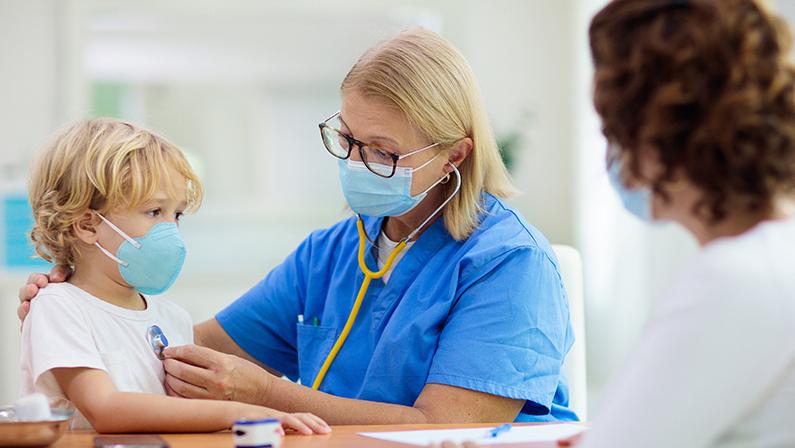
Chemical exposure can happen at home, in the workplace, or in other everyday environments. Contact with certain chemicals can cause burns, breathing problems, eye injuries, poisoning, or other serious health effects. Knowing the right first steps can help reduce further exposure while professional medical assistance is being arranged.
A Chemical Exposure Emergency Treatment plan depends on the type of chemical and how the exposure occurred. It is important to move away from the source when it is safe to do so and seek emergency medical guidance for significant or unknown exposures.
Common Types of Chemical Exposure
Chemical exposure can occur through the skin, eyes, breathing, or accidental ingestion. Cleaning products, industrial chemicals, solvents, pesticides, and other substances may cause different symptoms depending on their concentration and the amount of exposure.
Some common symptoms include skin irritation or burns, redness or pain in the eyes, coughing, difficulty breathing, dizziness, vomiting, or confusion. Severe symptoms should always be treated as an emergency.
Immediate Steps After Chemical Exposure
The first priority is to stop further contact with the chemical without putting yourself at risk. If the substance is on the skin or clothing, contaminated clothing may need to be removed carefully, while avoiding spreading the substance to unaffected areas.
For chemical exposure involving the eyes, prompt rinsing with clean running water is generally recommended while emergency medical help is sought. If fumes have been inhaled, moving to fresh air may help, provided the area is safe to enter and leave.
Do not attempt to neutralize a chemical with another substance, and do not induce vomiting after swallowing a chemical unless a medical professional or poison-control specialist specifically instructs you to do so.
When Professional Treatment Is Needed
Some chemical exposures can cause delayed or worsening symptoms, even when a person initially feels well. Emergency medical evaluation is especially important when there is difficulty breathing, severe burns, loss of consciousness, seizures, significant eye injury, or suspected poisoning.
Medical professionals can identify the substance involved, assess the extent of exposure, and provide appropriate treatment. When possible, keep the original chemical container or product information available for healthcare professionals, but do not delay emergency care while looking for it.
Final Thoughts
Knowing the basics of Chemical Exposure Emergency Treatment can help people respond calmly and safely during an unexpected incident. The correct response depends on the chemical, route of exposure, and severity of symptoms. When an exposure appears serious or the substance is unknown, seeking professional emergency assistance promptly is the safest approach.

 English
 Arabic
 French
 Spanish
 Deutsch
 Turkish
 Dutch
Dutch
 Italiano
 Russian
 Romaian
 Portuguese (Brazil)
 Greek
Greek