


10 Best Strategies to Buy and Sell Excess Inventory Efficiently
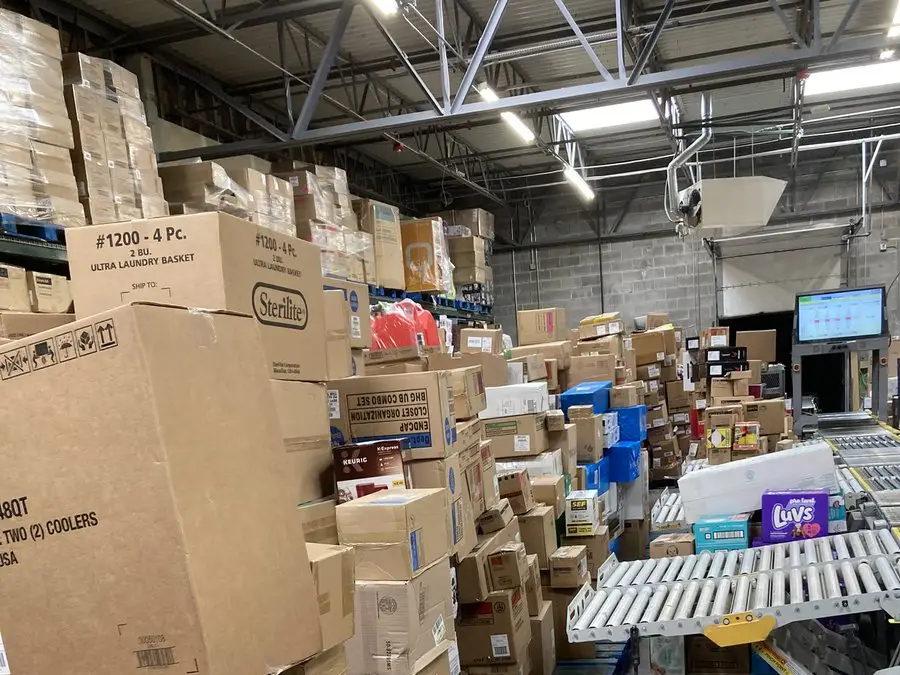
Excess inventory can tie up cash and take up valuable storage space. It can also become harder to sell as products age. Businesses need a clear plan to buy and sell extra stock without hurting their margins. Buying the right products at the right price helps resellers earn better returns. Selling extra goods through the right channels helps businesses recover cash and make room for new stock. These ten strategies can help you manage bulk excess inventory more efficiently.
1. Know What You Need Before Buying
Start with a clear buying plan. Review your current stock levels, sales history and customer demand. Identify the products that sell well and the ones that often sit in storage. When buying bulk excess inventory, focus on products that match your market. Avoid purchasing large quantities simply because the price looks low. A low purchase price does not guarantee a good return. Check product quality condition, brand demand and shelf life before making a deal. This basic review can prevent costly buying mistakes.
2. Set a Clear Buying Budget
A fixed budget keeps inventory purchases under control. Decide how much money you can spend before you review available stock. Leave room for shipping storage handling and other costs. These expenses can reduce your profit if you ignore them. When evaluating bulk excess inventory calculate the full cost per unit. Compare that cost with the price you expect customers to pay. This gives you a clearer view of your possible profit. A strong budget also prevents you from putting too much cash into one inventory deal.
3. Check Product Condition
Not all excess stock has the same value. Some products may come in original packaging while others may have damaged boxes or missing parts. Ask sellers for clear details about product conditions. Request photos when needed. Check expiration dates for products that have limited shelf lives. For bulk excess inventory, divide products into clear condition groups. You can separate new goods from open box products damaged packaging and customer returns. Accurate condition records help you set fair prices and reduce disputes with buyers.
4. Research Market Demand
Demand should guide every inventory decision. Search current prices and compare similar products from other sellers. Look at how often products sell and how much customers usually pay. Seasonal demand also matters. Items that sell well during one period may move slowly during another. Before buying bulk excess inventory, study your target market. Check online stores, local shops and wholesale buyers. This research helps you avoid stock that has little demand. Market research also gives you a better idea of where to sell each product.
5. Build Reliable Supplier Relationships
Good suppliers can help you find better inventory deals. They may also give you early notice about upcoming closeouts and excess stock. Ask suppliers about product quantities, condition payment terms and shipping costs. Keep records of past transactions so you can compare suppliers over time. A reliable supplier can make buying bulk excess inventory easier. You know what information to request and what standards to expect. Strong business relationships also make future deals more predictable.
6. Use More Than One Sales Channel
Do not depend on one sales channel. Different products perform better in different markets. You can sell through your own website online marketplaces wholesale buyers local stores and direct business sales. Choose the channel based on the product and customer. When selling bulk excess inventory, consider the cost of each sales channel. Fees, shipping costs, returns and advertising can affect your final profit. Using several channels can also help you move stock faster when one market slows down.
7. Price Products Based on Their Real Value
Pricing excess stock requires careful research. Avoid setting prices only from the original retail price. Compare current market prices and product conditions. Consider your purchase cost and selling expenses. Then set a price that gives customers a reason to buy while protecting your margin. Some bulk excess inventory may need a lower price because demand has dropped. Other products may still command a strong price if they have good brand value and steady demand. Review prices often. Small price changes can help move slow stock without cutting profits too deeply.
8. Group Similar Products Together
Product bundles can make excess stock easier to sell. Group related items that customers can use together. For example, a business with extra office supplies could create a bundle with notebooks, pens , folders and other useful items. A reseller with beauty products could create simple product sets. Bundling bulk excess inventory can increase the value of an order and reduce the number of individual listings you need to manage. Make sure each bundle makes sense for the buyer. A random mix of products may not attract customers.
9. Track Inventory Closely
Good records help you know what you own and what needs attention. Track product names, quantities purchase costs, selling prices and sales dates. Mark slow moving stock early. Do not wait until storage becomes a major problem. Businesses that handle bulk excess inventory need accurate stock records because large quantities can become difficult to manage. A simple inventory system can show which products sell quickly and which ones need a new sales plan. Regular stock checks also help prevent errors and missing products.
10. Create a Plan for Slow Moving Stock
Some inventory will not sell as quickly as expected. Prepare for this before buying large quantities. You can lower the price, create bundles, contact wholesale buyers or move products through another sales channel. Donation or recycling may also make sense for goods with little market value. When you sell excess inventory, act early when sales slow down. Waiting too long can reduce the value of products and increase storage costs. A clear exit plan protects your cash and keeps your storage space available for better products.
Final Thoughts
Buying and selling excess inventory requires careful planning. Businesses need to understand demand product condition costs and selling channels before making decisions. The goal is not simply to buy large quantities at low prices. The goal is to buy products people want and sell them at prices that support a healthy return. Whether you are a reseller wholesaler retailer or liquidation buyer, these strategies can help you manage bulk excess inventory with better control. Research each deal, track your costs and act quickly when stock starts moving slowly. A simple and consistent process can reduce waste while helping your business make better use of its inventory budget.

 English
 Arabic
 French
 Spanish
 Portuguese
 Deutsch
 Turkish
 Dutch
Dutch
 Italiano
 Russian
 Portuguese (Brazil)
 Greek
Greek