


Third-Party Car Accident Claims: Steps, Evidence and Costs
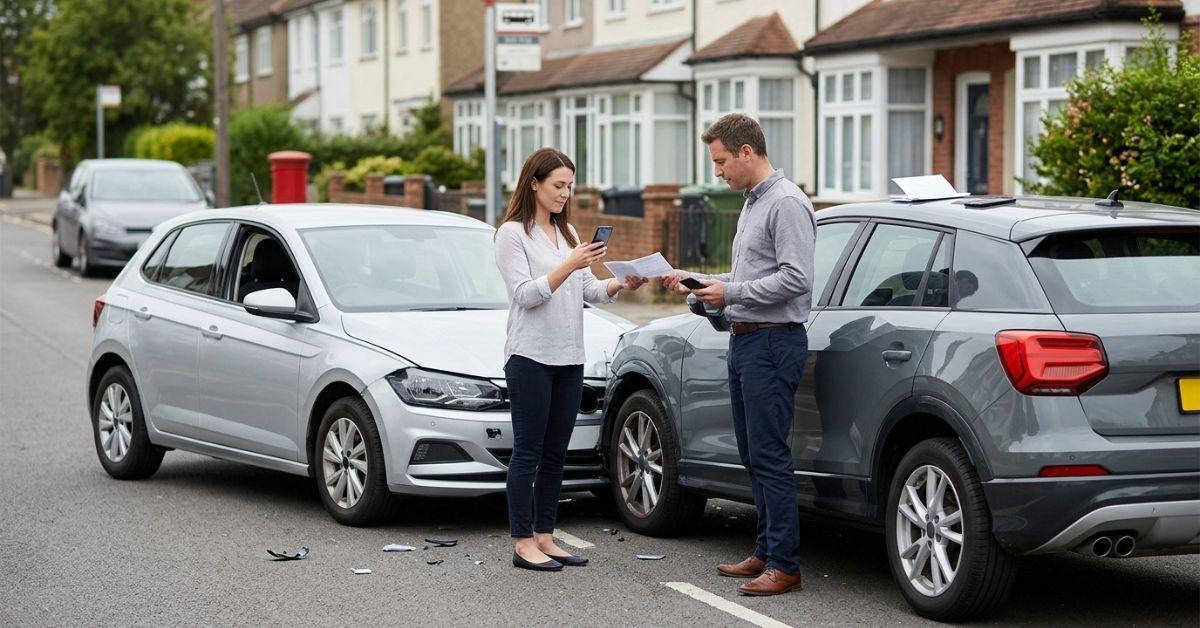
Being involved in a car accident that was not your fault can leave you dealing with vehicle damage, unexpected expenses and uncertainty about what happens next.
A third-party car accident claim may allow you to recover eligible losses from the insurer of the driver responsible for the collision. If you need help navigating the process, an experienced auto claim company can provide practical guidance and support with the claim.
Understanding the claims process, collecting relevant evidence and keeping accurate records can make it easier to establish what happened and support your losses.
However, every accident is different, and the outcome will depend on the available evidence, circumstances of the collision and how liability is assessed.
What Is a Third-Party Car Accident Claim?
A third-party claim is generally made against the insurance of another driver when you believe they were responsible for an accident. Rather than relying solely on your own policy, you seek recovery of your losses from the at-fault driver's insurer.
You should still notify your own insurer of the accident, even if you do not intend to make a claim through your own policy. UK guidance also recommends exchanging relevant details, gathering evidence and avoiding an admission of fault at the scene.
What Should You Do After an Accident?
Taking sensible steps immediately after a collision can help preserve important evidence.
-
Check for injuries and safety: Move to a safe location if it is appropriate and seek emergency assistance where necessary.
-
Exchange details: Record names, addresses, contact information, vehicle registration numbers and insurance details.
-
Document the scene: Photograph vehicle positions, damage, road markings, signs and surrounding conditions where it is safe to do so.
-
Collect witness information: Ask independent witnesses for their names and contact details.
-
Notify your insurer: Report the accident according to your policy requirements, even if you intend to pursue the other driver's insurer.
-
Keep records: Save correspondence, repair estimates, receipts and other documents connected with the accident.
Avoid speculating about who caused the collision or admitting liability before the circumstances have been properly assessed.
What Evidence Can Support a Third-Party Claim?
Evidence can be particularly important when the drivers provide different accounts of what happened. Useful information may include:
-
Photographs and videos of the accident scene
-
Images showing the damage to each vehicle
-
Dashcam or CCTV footage
-
Independent witness statements or contact details
-
Vehicle registration and insurance information
-
Police reference details, where applicable
-
Repair assessments and estimates
-
Receipts and records for accident-related expenses
-
Correspondence with insurers or other parties
Try to preserve original photographs, videos and documents rather than relying only on edited or compressed copies. Accurate records can help insurers understand both the circumstances of the accident and the losses being claimed.
How Is Fault Determined?
Liability is generally assessed using the available evidence and the circumstances of the collision. Insurers may consider the drivers' accounts alongside photographs, witness evidence, dashcam footage, road layouts, traffic signs, vehicle damage and other relevant information.
A simple assumption about who is responsible is not necessarily enough to establish liability. If the evidence is unclear or contradictory, the claim may take longer to resolve.
What Costs Can a Third-Party Claim Cover?
Depending on the circumstances and the evidence available, a non-fault claimant may be able to recover reasonable losses resulting from the accident.
These can potentially include:
-
Vehicle repair costs
-
Reasonable recovery or storage costs
-
Appropriate alternative transport or vehicle hire
-
Certain policy excesses or other uninsured losses
-
Some documented financial losses resulting from the accident
-
Eligible personal injury losses
Not every expense will automatically be recoverable. Losses generally need to be connected to the accident, reasonably incurred and supported by appropriate evidence. Citizens Advice recommends keeping losses to a minimum and retaining evidence of expenses.
Before committing to significant costs, it is sensible to understand whether they are appropriate and potentially recoverable in your circumstances.
What Happens If Your Car Is Written Off?
If repairing a vehicle is considered uneconomical, it may be treated as a total loss or write-off. In such circumstances, the settlement will generally involve the vehicle's value rather than the cost of carrying out uneconomical repairs.
If you believe a valuation is too low, evidence of comparable vehicles and their asking prices can help demonstrate the vehicle's market value. Citizens Advice specifically recommends using evidence of similar vehicles when challenging an insurer's valuation.
Keep service records, maintenance documentation and details of the vehicle's condition, as these may help establish its pre-accident value.
What If the Other Driver Is Uninsured or Untraced?
A third-party claim can become more complicated when the responsible driver has no valid insurance or leaves the scene without being identified.
In the UK, the Motor Insurers' Bureau (MIB) may be able to assist with qualifying claims involving uninsured or untraced drivers and certain foreign-registered vehicles. Eligibility and the applicable process depend on the circumstances of the accident.
If another driver leaves the scene, report the incident to the police and provide as much information as possible, including the registration number, vehicle description, photographs and witness details.
Common Third-Party Claim Mistakes to Avoid
Several avoidable mistakes can make an accident claim more difficult:
-
Admitting fault at the scene
-
Failing to collect witness details
-
Not photographing the accident or vehicle damage
-
Delaying notification to your insurer
-
Losing receipts or other evidence of expenses
-
Accepting a settlement without understanding what it covers
-
Claiming costs that cannot be properly supported
-
Arranging unnecessary expenses without considering whether they are reasonable
Keeping a simple accident file containing photographs, correspondence, estimates and receipts can make the process much easier to manage.
Final Thoughts
A third-party car accident claim is not simply about repairing a damaged vehicle. Establishing liability, documenting evidence and demonstrating reasonable losses are all important parts of the process. Acting promptly, keeping accurate records and understanding what your claim may involve can help you approach the process with greater confidence.
Where liability or significant losses are disputed, consider obtaining independent professional advice so you understand your options before accepting a settlement.

 English
 Arabic
 French
 Spanish
 Portuguese
 Deutsch
 Dutch
Dutch
 Italiano
 Russian
 Romaian
 Portuguese (Brazil)
 Greek
Greek