


Used 4x4 Truck Buying Guide: What Should You Check?
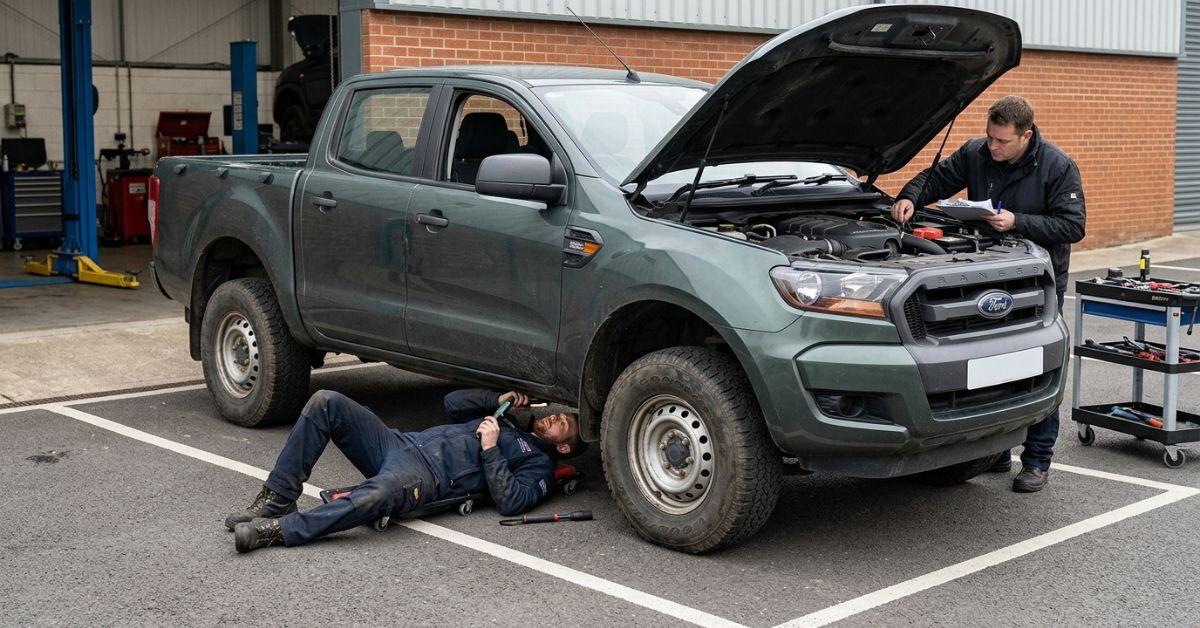
Buying a used 4x4 truck can provide practicality, towing capability and off-road performance without the higher price of a new vehicle. However, these vehicles can experience significant wear depending on how they have been driven, loaded and maintained.
A truck regularly used for towing, off-road driving or carrying heavy loads may need a closer inspection than one used mainly for everyday road journeys.
Before buying a used 4x4 truck, it is therefore important to look beyond mileage and appearance. Checking the vehicle’s mechanical condition, four-wheel-drive system, chassis, service history and previous use can help you avoid costly surprises.
For greater peace of mind, a trusted used car specialist can help assess the vehicle’s condition and identify potential issues before you commit to the purchase.
Check the Truck's History First
Start by gathering as much information about the vehicle as possible.
Ask the seller for the registration number and VIN, then use appropriate vehicle-history and government records to check information such as MOT history, recorded mileage and vehicle details where available.
Pay attention to:
-
Inconsistent mileage records
-
Previous MOT advisories
-
Recorded accidents or damage
-
Outstanding finance where applicable
-
Number of previous keepers
-
Gaps in the service history
-
Differences between the vehicle's details and documentation
A clean-looking truck can still have a complicated history, so checking its background before travelling to view it can save considerable time.
Inspect the Chassis and Underbody
The chassis deserves particular attention on a used 4x4 truck.
Vehicles regularly exposed to mud, water, salt or rough terrain can develop corrosion underneath.
Off-road impacts can also damage components that are difficult to see during a quick exterior inspection.
If possible, inspect the truck underneath for:
-
Significant rust or corrosion
-
Dents or bends in chassis components
-
Signs of previous welding or repairs
-
Oil or fluid leaks
-
Damaged underbody components
-
Evidence of heavy off-road use
Surface dirt is normal on a working truck, but extensive corrosion or poorly repaired structural damage should be investigated before purchase.
Examine the Engine Carefully
A truck's engine may have worked considerably harder than its mileage suggests, particularly if it has spent years towing or carrying heavy loads.
Start the engine from cold if possible. Listen for unusual knocking, rattling or excessive mechanical noise and observe whether there is excessive smoke from the exhaust.
Check for visible leaks and examine the condition of accessible hoses, belts and fluid reservoirs.
During the test drive, pay attention to:
-
Difficult starting
-
Hesitation or poor acceleration
-
Excessive smoke
-
Overheating
-
Unusual engine noises
-
Warning lights
-
Loss of power
Don't assume that a low odometer reading automatically means the engine has experienced less wear.
Maintenance history and previous use can be equally important.
Check the Transmission and 4WD System
The four-wheel-drive system is one of the most important areas to assess.
Depending on the truck, the system may include selectable 4WD modes, low-range gearing, locking differentials or other off-road features.
Check that the relevant controls operate correctly and that there are no unusual noises, warning lights or difficulty engaging the system.
During a suitable test drive, pay attention to:
-
Smooth gear changes
-
Clutch engagement
-
Transmission noises
-
Difficulty selecting gears
-
Vibrations under acceleration
-
Correct operation of 4WD modes
If you are unfamiliar with the particular 4x4 system, having a specialist inspect it can be worthwhile.
Problems within a four-wheel-drive transmission or differential can be expensive to repair.
Inspect the Suspension, Steering and Brakes
A used 4x4 truck can experience considerable suspension and steering wear, particularly if it has been driven on rough terrain or regularly carried heavy loads.
Look for uneven ride height, leaking shock absorbers, damaged components and excessive movement. During the test drive, notice whether the truck pulls to one side, wanders at speed or produces knocking sounds over uneven surfaces.
The brakes should also be checked for:
-
Uneven braking
-
Vibration
-
Grinding noises
-
Excessive pedal travel
-
Worn pads or discs
-
Warning lights
Because these systems directly affect vehicle control and safety, significant problems should be professionally assessed before purchase.
Don't Overlook the Tyres
Tyres can provide useful clues about both the truck's condition and how it has been used.
Check the tread, sidewalls and overall condition of all four tyres, including the spare where applicable.
Look for uneven wear, cuts, cracks or bulges.
Uneven wear may indicate alignment, suspension or steering problems.
Also consider whether the tyres are appropriate for your intended use. A truck equipped with aggressive off-road tyres may behave differently on normal roads from one fitted with road-oriented tyres.
Look for Signs of Heavy Use
A truck's condition should broadly make sense alongside its history.
Excessive wear to the driver's seat, pedals, steering wheel or interior controls may be inconsistent with unusually low claimed mileage.
Also look for evidence that the vehicle has been used for demanding work, such as:
-
Heavy towing
-
Construction or agricultural work
-
Frequent off-road driving
-
Carrying heavy equipment
-
Deep mud or water exposure
Previous heavy use does not automatically make a truck a bad purchase.
What matters is whether the vehicle has been maintained appropriately for that workload.
Review the Service and Maintenance History
A comprehensive service history can be one of the most valuable documents when buying a used truck.
Check whether servicing has been carried out at appropriate intervals and whether major maintenance has been documented.
Depending on the model, records may include work involving:
-
Engine oil and filters
-
Transmission
-
Transfer case
-
Differentials
-
Cooling system
-
Brakes
-
Suspension
-
Timing belt or chain
-
4WD components
For a workhorse vehicle, evidence of consistent maintenance can be more reassuring than a low price or exceptionally low mileage.
Inspect the Bodywork for Previous Damage
Walk around the truck in good daylight and examine the body panels carefully.
Look for differences in paint colour, uneven panel gaps, overspray or replacement panels that could indicate previous accident repairs.
Check the doors, bonnet, tailgate and other panels for proper operation.
Also inspect the load area or pickup bed. Significant dents, damaged mounting points or extensive wear may indicate that the truck has regularly carried heavy loads.
Take a Proper Test Drive
A test drive should give you an opportunity to assess how the vehicle performs rather than simply confirm that it moves.
Try different road conditions where safe and legal. Listen for unusual noises and pay attention to steering, braking, acceleration and gear changes.
Check that the dashboard does not display unexpected warning lights.
If possible, test the vehicle from cold and allow enough time for it to reach normal operating temperature. Some problems become more noticeable once the engine, transmission or cooling system warms up.
Consider an Independent Inspection
Even if the truck appears to be in excellent condition, an independent inspection can provide valuable reassurance.
A qualified mechanic or specialist can examine components that may not be obvious to a buyer and identify developing problems.
This is particularly useful if you are considering a high-mileage truck, a vehicle with extensive towing history or a 4x4 intended for demanding off-road use.
The cost of an inspection may be small compared with the potential expense of discovering a major mechanical or structural fault after completing the purchase.
Final Thoughts
Choosing a used 4x4 truck requires more than comparing prices and mileage. The vehicle's history, chassis, engine, transmission, 4WD system, suspension, brakes, tyres and maintenance records can all reveal important information about its condition.
Take your time, inspect the vehicle carefully and ask questions about how it was used and maintained. If anything seems inconsistent or you are uncertain about a major component, consider getting an independent professional inspection before committing to the purchase.
A thorough approach can help you avoid expensive surprises and find a used 4x4 truck that better matches your budget, workload and intended use.

 English
 Arabic
 French
 Spanish
 Portuguese
 Deutsch
 Turkish
 Dutch
Dutch
 Italiano
 Romaian
 Portuguese (Brazil)
 Greek
Greek