


What Does a Car Mechanic Check During a Vehicle Inspection?
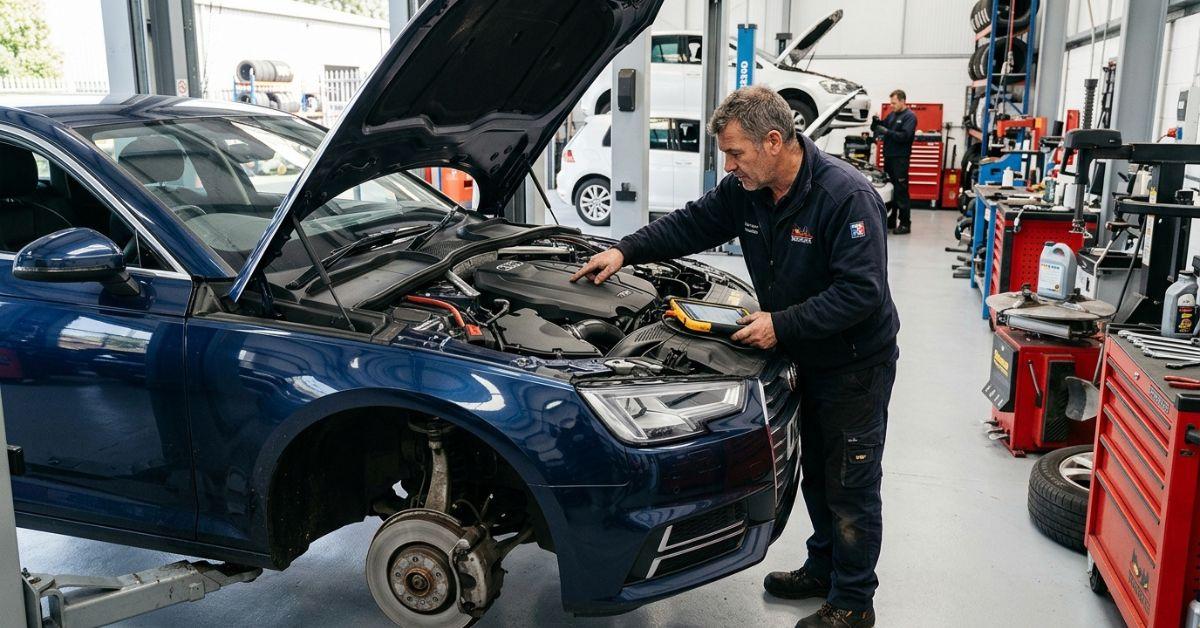
A vehicle inspection is more than a quick look under the bonnet. A qualified car mechanic can assess the condition and operation of key mechanical, electrical and safety systems to identify existing faults, signs of wear and problems that may become more serious if ignored.
The exact checks depend on the vehicle, its age, mileage and the type of inspection or service requested. However, a thorough inspection will typically consider the engine, brakes, tyres, steering, suspension, fluids, battery, lights and electronic systems.
Understanding what happens during an inspection can help drivers recognise the value of preventative maintenance and know what questions to ask when a mechanic identifies a potential problem.
Engine and Under-Bonnet Checks
The engine is one of the most important areas a mechanic will examine. Depending on the inspection, this can include checking the engine oil level and condition, coolant, filters, belts, hoses and visible signs of leaks or damage.
The mechanic may also inspect the cooling system and battery, while looking for unusual noises, smells or signs of contamination.
Fluid levels are particularly important because low or contaminated fluids can indicate maintenance requirements or developing faults. A mechanic may recommend further investigation if they find evidence of an oil or coolant leak rather than simply topping up the fluid.
Brakes and Braking Components
Brakes are a critical safety system, so their condition is normally an important part of a vehicle inspection.
A mechanic may examine:
-
Brake pads and discs
-
Brake fluid
-
Brake lines and components
-
Handbrake operation
-
Signs of corrosion or uneven wear
-
ABS-related warning lights or faults
The mechanic may also assess how the brakes perform during a road test. Unusual vibration, pulling to one side, grinding noises or changes in pedal feel can indicate that further investigation is required.
A worn component does not necessarily mean immediate failure, but identifying deterioration early can give the driver an opportunity to address the problem before it becomes more expensive or compromises safety.
Tyres and Wheels
Tyres provide the vehicle's contact with the road, making them another essential inspection point.
A mechanic may check:
-
Tread condition
-
Tyre pressures
-
Uneven wear
-
Cuts, cracks or bulges
-
Wheel condition
-
Evidence of alignment problems
Uneven tyre wear can sometimes indicate an issue elsewhere, such as incorrect wheel alignment, worn suspension components or steering problems.
For this reason, a good inspection looks beyond whether the tyres simply appear to have sufficient tread.
Steering and Suspension
Steering and suspension affect handling, stability, comfort and braking performance.
A mechanic may inspect components such as suspension springs, dampers, bushes, ball joints, steering components and mounting points for excessive wear or damage. These checks can help identify problems that might otherwise become apparent only when the vehicle starts handling differently.
Drivers should mention symptoms such as excessive bouncing, knocking noises, steering vibration, uneven handling or a vehicle pulling to one side. These details can help the mechanic investigate the underlying cause more efficiently.
Battery and Electrical Systems
Modern cars depend on considerably more electrical equipment than older vehicles, so an inspection may extend beyond simply checking whether the engine starts.
A mechanic may assess the battery and charging system, inspect visible electrical connections and check whether warning lights or electrical equipment are functioning correctly. Depending on the service, diagnostic equipment may also be used to identify stored electronic faults.
For hybrid and electric vehicles, checks can also include charging ports, cables, connections and relevant high-voltage systems, depending on the vehicle and manufacturer's requirements.
Lights, Wipers and Visibility
Visibility and lighting are easy to overlook during everyday driving but are important for safety and roadworthiness.
A mechanic may check:
-
Headlights
-
Brake lights
-
Indicators
-
Rear lights
-
Hazard lights
-
Wiper blades
-
Washer operation
-
Washer fluid
-
Windscreen condition
Small faults such as a damaged wiper blade or failed bulb may be straightforward to correct, but identifying them during an inspection helps prevent them from becoming a bigger inconvenience later.
Diagnostic Checks and Warning Lights
A modern vehicle inspection may also involve electronic diagnostics.
A diagnostic tool connects to the vehicle's onboard computer systems and can retrieve stored fault codes or other information. This can help a mechanic narrow down the source of an electronic or mechanical problem rather than relying solely on guesswork.
However, a diagnostic scan is not a replacement for a physical inspection. A fault code may indicate where further investigation is needed, while components such as tyres, brakes, suspension and visible leaks still require appropriate physical checks.
Road Test and Overall Vehicle Condition
Where appropriate and safe, a mechanic may conduct a road test to assess how the vehicle behaves in real driving conditions.
They may pay attention to:
-
Engine performance
-
Gear changes
-
Clutch operation
-
Braking
-
Steering response
-
Suspension behaviour
-
Unusual noises or vibrations
-
Dashboard warning lights
A road test can reveal symptoms that aren't obvious when a vehicle is stationary. Some service procedures use a road test both before and after maintenance to identify unusual behaviour and confirm that the vehicle is operating as expected.
What Happens When a Mechanic Finds a Problem?
An inspection does not necessarily mean that every issue needs immediate repair.
A mechanic should be able to explain:
-
What the problem is
-
Why it matters
-
How urgent it is
-
What repair is recommended
-
What could happen if it is left unresolved
Some findings may require immediate attention because they affect safety or could cause significant damage. Others may be minor wear items that can be monitored and addressed during scheduled maintenance.
If you're unsure about a recommended repair, ask the mechanic to show you the affected component or explain the evidence behind the recommendation. A clear explanation can help you make an informed decision.
Vehicle Inspection vs MOT: What's the Difference?
An MOT and a vehicle inspection are not the same thing.
An MOT is a regulated test that assesses whether a vehicle meets specific legal safety and environmental standards at the time of testing. A service or inspection is generally broader and can include preventative maintenance and checks designed to identify developing problems.
Passing an MOT therefore does not mean that a vehicle is in perfect mechanical condition or that no maintenance will be required.
For example, a vehicle can pass its MOT while still approaching a routine maintenance interval or developing a problem that isn't covered by the MOT test.
Why Regular Vehicle Inspections Matter
Regular inspections can help identify deterioration before it develops into a more disruptive fault.
Early identification may allow drivers to plan repairs rather than waiting for a breakdown or serious component failure. It can also help maintain braking, steering, suspension, tyre and other safety-critical systems.
The appropriate inspection or service interval depends on the vehicle manufacturer's recommendations, mileage, age and usage. Service requirements can also differ between petrol, diesel, hybrid and electric vehicles.
Final Thoughts
A professional vehicle inspection gives a car mechanic an opportunity to assess far more than the engine. Brakes, tyres, steering, suspension, fluids, battery, electrical systems, lights, safety equipment and electronic diagnostics can all form part of a thorough assessment, depending on the vehicle and inspection type.
The most useful inspection is one that doesn't simply identify faults but explains their significance and helps the driver understand what needs attention now, what can be monitored and what maintenance should be planned next.
By combining regular servicing with prompt investigation of warning signs, unusual noises, handling changes and dashboard alerts, drivers can address developing problems before they turn into avoidable breakdowns or costly repairs.

 English
 Arabic
 French
 Spanish
 Portuguese
 Deutsch
 Turkish
 Dutch
Dutch
 Italiano
 Romaian
 Portuguese (Brazil)
 Greek
Greek