


What Is a Botnet and How Can You Protect Against Botnet Attacks?
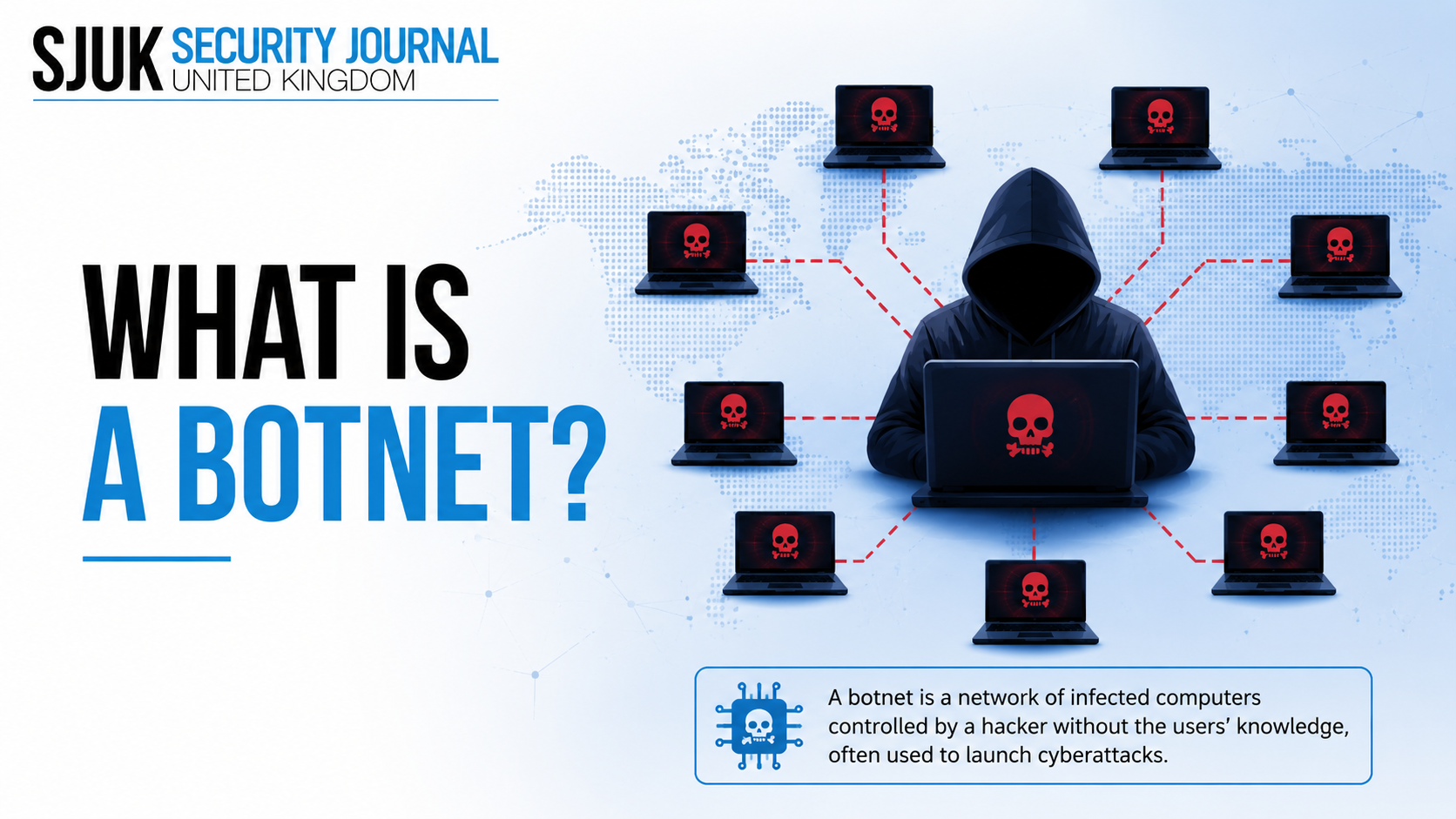
Connected devices have made businesses more efficient, but they have also created more opportunities for cybercriminals to compromise systems at scale. Instead of attacking one device at a time, attackers can infect thousands of computers, servers, smartphones, routers, and IoT devices and control them as a single network.
This network is known as a botnet. Botnets can remain hidden for long periods while being used for activities such as DDoS attacks, credential theft, spam distribution, malware delivery, and other malicious operations. Understanding what is a botnet and how it works, and how devices become infected is essential for building stronger cybersecurity defenses.
What Is a Botnet?
A botnet is a network of internet-connected devices that have been infected with malware and placed under an attacker's control. Each compromised device is commonly called a bot or bot device, while the person controlling the network is often referred to as a botmaster.
The owner of an infected device may not realize that it has become part of a botnet. The malware can operate quietly in the background, using the device's computing resources or network connection to perform tasks instructed by the attacker.
Botnets can range from relatively small collections of devices to extremely large networks distributed across multiple countries and networks.
How Does a Botnet Work?
A botnet typically develops through several stages, beginning with the compromise of individual devices.
1. Device Infection
The process usually starts when malware reaches a vulnerable device. Attackers may exploit unpatched software, weak passwords, malicious downloads, phishing messages, or insecure IoT devices.
Once the malware is installed, the attacker gains a foothold on the system.
2. Establishing Remote Control
After infection, the compromised device connects to infrastructure controlled by the attacker. This allows the botmaster to send instructions to the device.
Depending on the botnet's architecture, communication may use centralized command-and-control servers or decentralized peer-to-peer connections.
3. Building the Botnet
Attackers continue compromising additional devices and adding them to the network. Over time, thousands of systems can become available for coordinated activity.
4. Launching Coordinated Activities
Once enough devices are under control, the botmaster can issue commands to multiple bots simultaneously. This distributed capability makes botnets particularly useful for large-scale cyberattacks.
What Are the Common Types of Botnets?
Botnets can be categorized according to how compromised devices communicate and what environments they target.
Centralized Botnets
Centralized botnets rely on command-and-control servers to communicate with compromised devices. While this architecture can make management easier for attackers, disrupting the central infrastructure can potentially affect the botnet.
Peer-to-Peer Botnets
Peer-to-peer botnets distribute communication among compromised devices rather than depending on one central server. This can make the network more difficult to disrupt.
IoT Botnets
IoT botnets target internet-connected devices such as routers, security cameras, smart appliances, and other network equipment. Weak credentials and outdated firmware can make poorly secured IoT devices attractive targets.
Mobile Botnets
Mobile devices can also be compromised through malicious applications, phishing, and other techniques, potentially allowing attackers to use smartphones and tablets as part of a larger malicious network.
What Are Botnets Used For?
The capabilities of a botnet allow criminals to automate and distribute different types of malicious activity.
DDoS Attacks
One of the most recognizable uses of botnets is launching Distributed Denial-of-Service (DDoS) attacks. Thousands of compromised devices can generate traffic toward a target, overwhelming websites, applications, or network infrastructure.
Credential Theft
Botnets may be used to distribute malware capable of collecting usernames, passwords, cookies, or other sensitive information.
Spam and Phishing
Compromised devices can send large volumes of spam or phishing messages, helping attackers reach more potential victims.
Malware Distribution
Botnets can distribute additional malicious software to already compromised systems or help spread malware to new targets.
Cryptocurrency Mining
Some botnets use the processing power of compromised devices to conduct unauthorized cryptocurrency mining, consuming system resources and electricity.
How Do Botnet Attacks Affect Businesses?
Botnets can create both immediate and long-term security problems for organizations.
Network and Service Disruption
A large botnet-generated DDoS attack can make websites and online services unavailable, affecting customers and employees.
Data and Credential Exposure
If malware running on compromised devices collects credentials or sensitive information, attackers may gain access to corporate accounts and systems.
Operational and Financial Losses
Downtime, incident response, investigation, system recovery, and lost productivity can create significant costs for affected organizations.
Reputational Damage
Customers may lose confidence in an organization that repeatedly experiences service disruptions or fails to protect its systems.
What Are the Signs of a Botnet Infection?
Botnet malware is often designed to remain unnoticed, but certain unusual behaviors can indicate a possible infection.
Common warning signs include:
-
Unusually slow device performance
-
Unexpected CPU or memory usage
-
Unexplained network traffic
-
High bandwidth consumption
-
Unknown applications or processes
-
Frequent system crashes
-
Suspicious outbound connections
-
Security alerts from endpoint protection tools
-
Devices communicating with unfamiliar destinations
These symptoms do not automatically confirm a botnet infection, but they should be investigated, particularly when several appear together.
What Causes Devices to Become Part of a Botnet?
Several common security weaknesses can make devices vulnerable to botnet infections.
Outdated software may contain exploitable vulnerabilities, while weak or default passwords can allow attackers to gain unauthorized access. Phishing messages and malicious downloads can also introduce malware.
IoT devices are another concern because some are deployed with limited security controls and may not receive regular firmware updates. Poor network segmentation can make matters worse by allowing attackers to move between systems after gaining an initial foothold.
How Can You Protect Against Botnet Attacks?
Effective botnet protection requires multiple layers of security rather than a single defensive tool.
Keep Software and Systems Updated
Security patches address known vulnerabilities that attackers may exploit. Organizations should maintain a structured patch-management process and prioritize critical internet-facing systems.
Use Strong, Unique Passwords
Replace default credentials on computers, routers, IoT devices, and other connected systems. Unique passwords also reduce the damage caused by credential reuse.
Enable Multi-Factor Authentication
MFA adds another authentication layer and can help protect important accounts even when passwords are compromised.
Deploy Endpoint Security
Endpoint security tools can detect malicious software, suspicious processes, and abnormal behavior. Organizations should also monitor endpoints for indicators of compromise.
Secure IoT Devices
Change default passwords, update firmware regularly, disable unnecessary services, and avoid exposing IoT management interfaces directly to the public internet where possible.
Monitor Network Traffic
Network monitoring can identify unusual outbound connections, unexpected bandwidth consumption, and communication with known malicious infrastructure.
Segment the Network
Network segmentation can limit an attacker's ability to move from one compromised device to other critical systems.
How Can Businesses Detect and Respond to Botnet Activity?
Early detection can significantly reduce the potential impact of a botnet infection. Security teams should combine endpoint monitoring, network analysis, intrusion detection, and centralized logging to identify unusual activity.
If a device appears compromised, it should be isolated from the network where appropriate. Security teams can then investigate the infection, remove malicious software, patch vulnerabilities, reset exposed credentials, and check whether other systems have been affected.
Organizations should also identify how the initial infection occurred. Simply removing malware without addressing the original vulnerability can leave the organization exposed to reinfection.
How Is AI Changing Botnet Threats?
Artificial intelligence is influencing both offensive and defensive cybersecurity. Attackers can potentially use automation and AI-assisted techniques to improve reconnaissance, social engineering, and the management of malicious campaigns.
Defenders can also use AI to analyze large volumes of network and endpoint data, identify unusual patterns, detect potential command-and-control communication, and prioritize suspicious activity.
However, AI should support established security controls rather than replace fundamentals such as patch management, MFA, network segmentation, and security monitoring.
What Should You Do If a Device Is Infected by a Botnet?
A suspected botnet infection should be treated as a security incident rather than ignored.
First, isolate the affected device when appropriate to prevent further communication with malicious infrastructure. Run trusted security tools, investigate suspicious processes and network connections, and remove the malware.
Any potentially exposed credentials should be changed, and other devices should be checked for signs of compromise. Businesses should preserve relevant logs and evidence so security teams can determine the infection method and scope.
After recovery, organizations should patch vulnerabilities and strengthen the controls that allowed the infection to occur.
Conclusion
Botnets allow cybercriminals to turn compromised devices into coordinated infrastructure for DDoS attacks, credential theft, spam, malware distribution, and other malicious activities. Because infections can remain hidden, organizations should not rely solely on visible performance problems to identify compromised systems.
Strong passwords, MFA, regular patching, endpoint protection, IoT security, network segmentation, and continuous monitoring can significantly reduce botnet-related risks. Businesses should also maintain an effective incident response process so suspected infections can be contained and investigated quickly.
For continued insights into cybersecurity threats, emerging attack techniques, and practical security strategies, Security Journal United Kingdom provides industry-focused coverage to help security professionals stay informed about the evolving threat landscape.

 English
 Arabic
 French
 Portuguese
 Deutsch
 Turkish
 Dutch
Dutch
 Italiano
 Russian
 Romaian
 Portuguese (Brazil)
 Greek
Greek