


Key Drivers of the Low Glycemic Rice Market Today
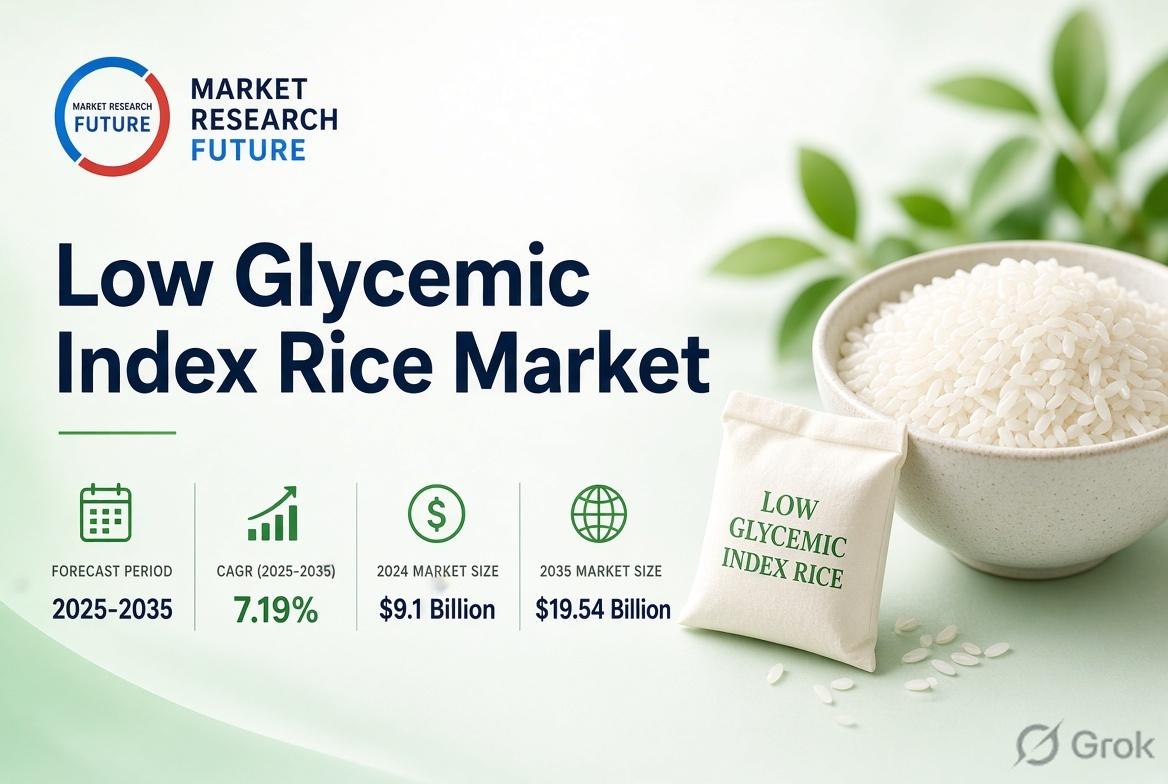
Several powerful forces are converging to drive the remarkable growth of the Low Glycemic Index Rice Market, shaping its current landscape and future potential. At the forefront is the escalating global incidence of diabetes and obesity, a public health crisis that is forcing both individuals and governments to prioritize dietary interventions. This has created an urgent and sustained demand for foods that can help manage blood glucose levels. Low glycemic index rice offers a practical and culturally acceptable solution for a staple food that is consumed globally, making it a key component of modern nutritional strategies to combat these chronic conditions.
Another significant driver is the increasing consumer demand for healthier food options, fueled by a broader lifestyle shift towards preventive healthcare. This is not limited to those with existing conditions; a vast segment of the population is proactively seeking out foods that promote long-term health and vitality. This has led to a surge in interest in functional foods, with low-GI rice being a prime example. The market is also benefiting from a greater focus on sustainable rice farming practices, as consumers become more environmentally conscious. This trend is prompting producers to adopt eco-friendly methods, appealing to consumers who value ethical sourcing alongside health benefits. This dual focus on health and sustainability is a powerful combination, and it is a key theme explored in the Low Glycemic Index Rice Market analysis.
Furthermore, the expansion of retail channels and the rise of online sales are making low-GI rice more accessible than ever before. Supermarkets and hypermarkets are increasing their shelf space for these specialty products, while online retailers offer a convenient platform for consumers to compare brands and access a wider variety. This enhanced accessibility is crucial for market penetration. Additionally, the increased focus on nutrition labeling and transparency is empowering consumers to make informed choices, with a significant majority preferring products that provide clear information about their glycemic index and nutritional content. These drivers are collectively creating a robust and resilient market, ensuring sustained growth as consumers increasingly prioritize health and wellness in their dietary choices.
FAQs
1. How does the rise in diabetes and obesity affect the low GI rice market?
The rising incidence of these conditions is a primary driver, as it creates a large and growing population seeking dietary solutions that can help manage blood sugar and weight, directly boosting demand for low-GI rice.
2. What role do retail channels play in the market's growth?
The expansion of supermarkets, hypermarkets, and especially online retailers is significantly increasing product accessibility, allowing more consumers to discover and purchase low-GI rice products conveniently.

 English
 Arabic
 French
 Spanish
 Portuguese
 Deutsch
 Turkish
 Italiano
 Russian
 Romaian
 Portuguese (Brazil)
 Greek
Greek