


The Growing Role of Aluminum CNC Machining in Modern Manufacturing
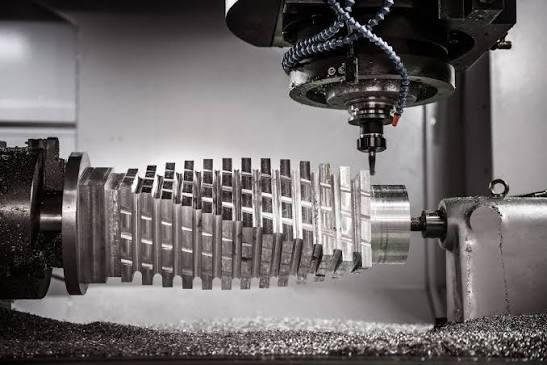
Aluminum has become one of the most widely used materials in precision manufacturing, and for good reason. Its excellent strength-to-weight ratio, corrosion resistance, thermal conductivity, and machinability make it the material of choice across aerospace, automotive, medical devices, consumer electronics, and industrial equipment. As industries push for greater efficiency, lighter components, and tighter tolerances, the demand for high-quality aluminum CNC machining continues to accelerate.
The precision machining sector has experienced remarkable growth in recent years. This expansion is driven by rising vehicle electrification, recovering commercial aircraft build rates, and the ongoing miniaturization of medical devices and electronic components. Each of these trends places unprecedented demands on component accuracy and consistency.
Why Aluminum Is the Material of Choice for CNC Machining
Aluminum offers an ideal balance of mechanical properties and cost efficiency. Compared with many steel and stainless steel alloys, aluminum requires lower cutting forces and allows higher machining speeds, which improves production efficiency and reduces tool wear. Its lightweight nature makes it indispensable for electric vehicle battery housings, aerospace structural components, and portable medical devices.
However, not all aluminum alloys are created equal. The two most commonly specified grades for precision turning are 6061 and 7075 aluminum, but they serve very different purposes.
6061 aluminum is the general-purpose workhorse. It offers excellent machinability, good surface finish, and responds well to anodizing. It is suitable for aerospace brackets, automotive components, electronic enclosures, and medical device housings because it creates manageable chips and minimally wears out tools—making it a great choice for both low and high volume production.
7075 aluminum, by contrast, is specified when the component requires maximum strength. With roughly double the strength of 6061, it is the preferred material for aeronautical structural components, high-performance racing parts, and military defense equipment. However, it is considerably more abrasive and requires rigid tooling and wear-resistant equipment. Landing gear components, wing ribs, and fuselage frames commonly specify 7075.
The Capabilities of Modern Aluminum CNC Machining
Modern CNC machining centers routinely achieve micron-level accuracy on aluminum components. With advanced equipment—including multi-axis CNC milling centers, high-speed spindles, and Swiss-type lathes—manufacturers can hold tolerances as tight as ±0.005 mm on critical diameters and bearing surfaces.
Swiss-type turning, originally developed for watchmaking, has become a preferred technology for complex, high-tolerance aluminum components. Unlike conventional lathes where the workpiece extends unsupported from the chuck, Swiss machines feed material through a guide bushing positioned immediately next to the cutting tool. This design eliminates deflection and vibration, making it possible to achieve exceptional precision on aluminum parts as small as Ø1.5 mm.
This capability is particularly valuable for industries requiring extreme precision. In aerospace, aluminum fuel nozzles with internal cooling channels and fine surface finishes are produced for jet engines. In electronics, micro heat sinks with narrow fin spacing are machined for semiconductor cooling using 5-axis Swiss CNC. In automotive, EV battery housings with stringent sealing requirements are produced via multi-axis Swiss screw machining.
Key Industries Driving Demand
The automotive industry's transition to electrification has created entirely new requirements for aluminum machining. Electric vehicles demand components with tight tolerances to ensure battery efficiency and thermal management. Battery housings, motor frames, cooling plates, and structural components are increasingly specified in aluminum alloys to extend range and reduce weight.
Aerospace remains another major consumer. Aircraft structural parts, engine components, and landing gear assemblies rely on aluminum alloys for their strength-to-weight ratio. The industry's relentless pursuit of fuel efficiency has made lightweighting a priority, and aluminum is central to that effort.
Medical devices represent a growing application area. Aluminum's biocompatibility and lightweight properties make it suitable for surgical instruments, diagnostic equipment housings, and mobility aids. The healthcare sector continues to expand orders for small implant screws and precision components, pushing suppliers to transition from standard chucking lathes to precision Swiss-type machines capable of holding extremely tight tolerances.
CNC Technology Trends Shaping the Industry
The CNC machining industry is evolving rapidly. Several key trends are reshaping how aluminum components are designed and produced.
AI-powered CNC programming is one of the most significant developments. AI-assisted toolpath and quoting capabilities can generate a substantial portion of a toolpath in minutes, reduce cycle time, and minimize scrap by optimizing cutting parameters for specific machine setups. Natural-language command interfaces streamline complex operations, reduce onboarding time, and help prevent errors.
Digital twins and smart factories are becoming increasingly important. Real-time validation and predictive maintenance capabilities enable manufacturers to monitor machine performance, predict tool wear, and reduce unplanned downtime. These capabilities help shops prepare for the future while maintaining consistent quality.
Sustainability and green machining have moved from aspiration to operational priority. Optimized toolpaths and smarter coolant strategies help shops reduce energy consumption and minimize material waste. Advanced CAM software supports sustainable manufacturing by enabling more efficient production with less environmental impact.
Selecting the Right Machining Partner
For engineers and procurement professionals, choosing the right aluminum machining partner requires careful evaluation. Equipment capability matters—multi-axis CNC turning centers with live tooling, automated bar feeders, and in-process probing are now the baseline for serious work. Experience with specific alloys matters—a shop that has produced thousands of components across 6061, 7075, and 2024 understands the subtle behaviors that separate reliable production from costly scrap.
Quality infrastructure is equally important. Certifications such as ISO 9001, IATF 16949, and AS9100 require documented processes, internal audits, and continuous improvement. Full material traceability from incoming certification to finished component provides the audit trail that regulated industries demand.
For those seeking aluminum precision machining capabilities, working with a partner that combines advanced Swiss-type turning equipment, documented material expertise, and rigorous quality systems ensures consistent results across production runs—whether for prototypes or high-volume manufacturing.
Swiss Machining for Aluminum Components
Swiss machining has become particularly important for aluminum components requiring extreme precision and complex geometries. The ability to perform turning, milling, drilling, and threading in a single setup reduces handling errors, shortens production cycles, and ensures that critical features stay aligned.
Advanced capabilities include micro-drilling of small holes in aluminum actuator arms, thread whirling for precision threads on surgical instruments achieving high thread integrity, and mirror finishes via diamond-tipped tools for optical mounts. Automation further enhances efficiency—robotic deburring reduces cycle time, and lights-out production enables continuous machining of high-volume aluminum components.
For those looking for Swiss machining aluminum expertise, the combination of advanced equipment and documented processes delivers the precision that demanding applications require.
CNC Aluminum Turning: A Core Capability
CNC aluminum turning remains one of the most fundamental and widely used manufacturing processes. For engineers and purchasing agents, understanding the basic characteristics of CNC aluminum turning is key: selecting the right aluminum grade for the project, understanding achievable tolerances, and knowing how anodization may impact the finished product.
A comprehensive understanding of CNC turning aluminum parts helps decision-makers understand the trade-offs between different alloys and the capabilities they should expect from a qualified partner. With modern CNC turning centers achieving micron-level accuracy on aluminum components, the combination of the right material selection, advanced equipment, and documented processes delivers high-quality, cost-effective solutions for even the most demanding applications.
Looking Ahead
The aluminum CNC machining market will continue to expand as aerospace, automotive, medical, and industrial applications demand the material's unique properties. As components become more complex and tolerances tighten, the value of specialized process knowledge will only increase.
The combination of advanced CNC equipment, AI-driven process optimization, and sustainable manufacturing practices is transforming aluminum parts production. Companies that embrace these technologies gain higher efficiency, superior quality, and faster turnaround times. For manufacturers, the question is not whether to source precision-machined aluminum components—it is who to trust with the work. The right partner brings not just equipment but decades of accumulated knowledge about how aluminum behaves under cutting forces, translating directly to consistency, reliability, and peace of mind.

 English
 Arabic
 French
 Spanish
 Deutsch
 Turkish
 Dutch
Dutch
 Italiano
 Russian
 Romaian
 Portuguese (Brazil)
 Greek
Greek