


Accidental Food Poisoning: Causes, Symptoms, and When to Seek Medical Care
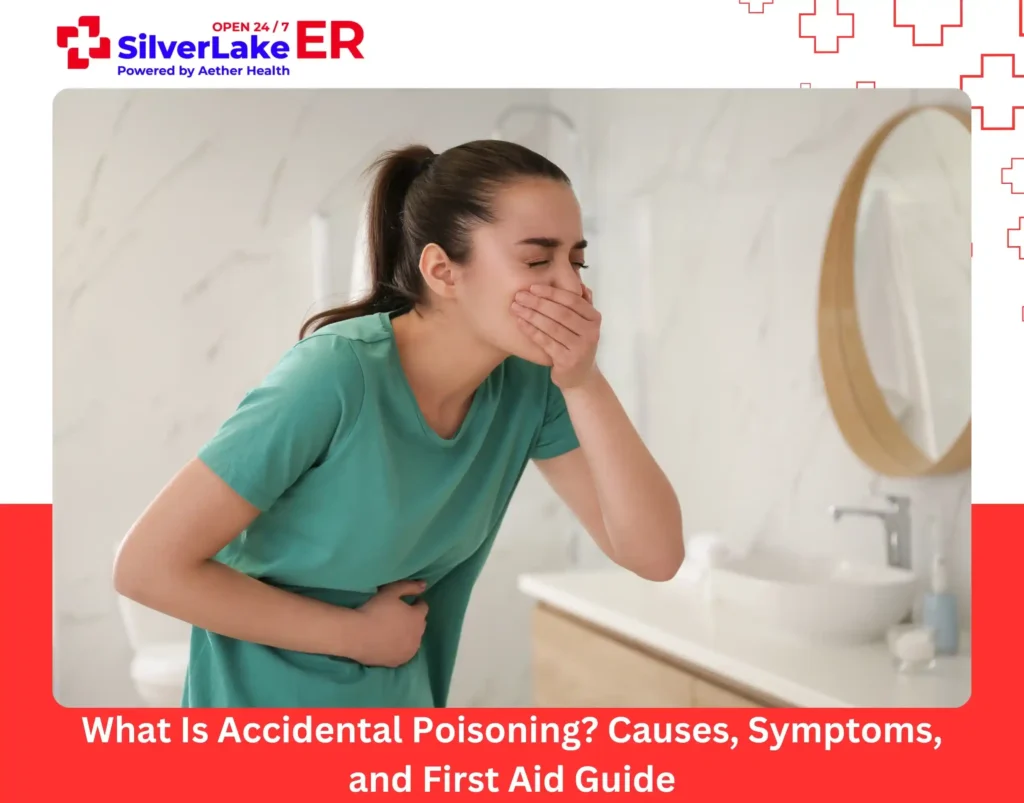
Eating contaminated food can sometimes lead to sudden illness, commonly known as food poisoning. Accidental Food Poisoning may occur when food contains harmful bacteria, viruses, parasites, or toxins. It can happen at home, in restaurants, or while traveling, and symptoms may develop within hours or several days depending on the cause.
Although many mild cases improve with rest and fluids, some cases can become serious. Understanding the common symptoms and knowing when professional medical care is needed can help prevent complications.
Common Symptoms of Food Poisoning
The symptoms of Accidental Food Poisoning can vary depending on the contaminant and the person's overall health. Common symptoms include nausea, vomiting, diarrhea, stomach cramps, abdominal discomfort, and fever. Some people may also experience weakness or signs of dehydration.
Vomiting and diarrhea can cause the body to lose significant amounts of water and electrolytes. Drinking fluids in small, frequent amounts can help maintain hydration when possible. People should also pay attention to worsening symptoms rather than assuming that every case will resolve on its own.
When Food Poisoning Requires Medical Attention
Most mild cases can be managed with supportive care, but medical evaluation may be necessary when symptoms are severe or persistent. Blood in the stool, repeated vomiting that prevents drinking fluids, severe abdominal pain, high fever, confusion, fainting, or significant signs of dehydration should not be ignored.
Young children, older adults, pregnant individuals, and people with weakened immune systems may be more vulnerable to complications from foodborne illness. For these individuals, seeking medical advice earlier can be especially important.
Preventing Accidental Food Poisoning
Good food-safety habits can reduce the risk of foodborne illness. Washing hands before preparing meals, keeping raw and cooked foods separate, cooking food thoroughly, refrigerating perishable foods promptly, and avoiding food that appears spoiled are useful precautions.
Food poisoning prevention is particularly important when preparing meals for children, older adults, or anyone with increased health risks.
Final Thoughts
Accidental Food Poisoning can range from a temporary stomach illness to a condition requiring urgent medical attention. Recognizing symptoms, maintaining hydration, practicing safe food handling, and knowing when to contact a healthcare professional can help people respond appropriately and reduce the risk of complications.

 English
 Arabic
 French
 Spanish
 Portuguese
 Deutsch
 Turkish
 Dutch
Dutch
 Italiano
 Russian
 Romaian
 Portuguese (Brazil)