


Sound Deadening GMC: Reduce Road Noise, Minimize Cabin Vibrations, and Improve Driving Comfort
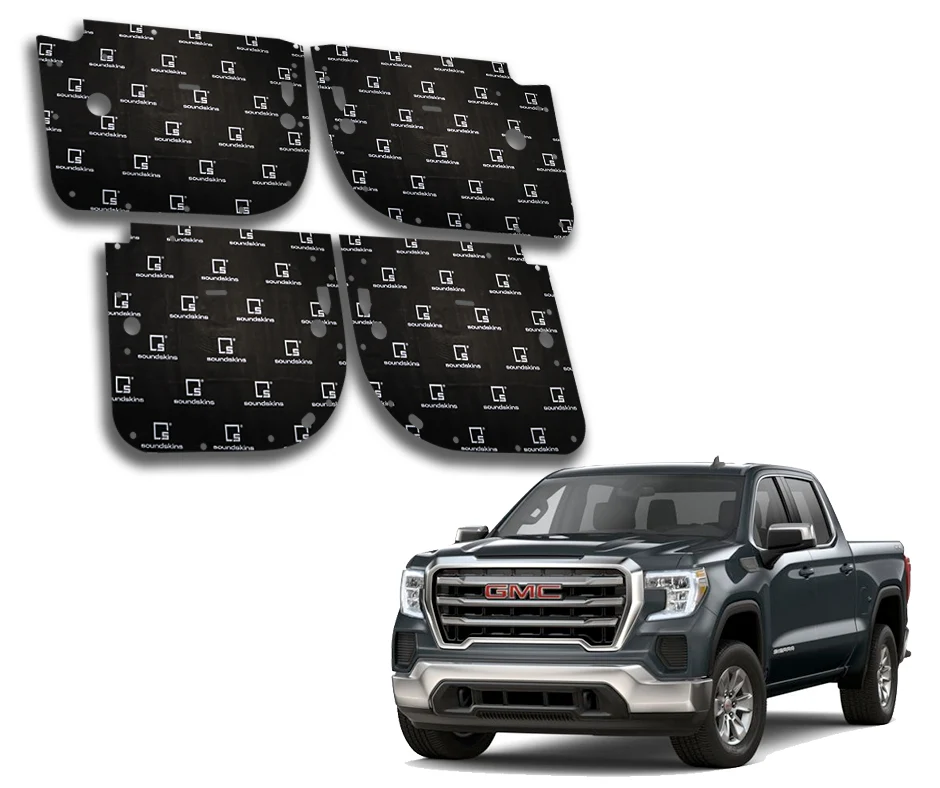
A comfortable driving environment depends on more than supportive seats, climate control, and a well-designed interior. Unwanted road noise, tire hum, engine sounds, and vibrating body panels can make even a capable GMC vehicle feel less refined during everyday use. Whether driving a Sierra pickup, Yukon SUV, Acadia, Terrain, or Canyon, excessive cabin noise can become distracting during highway travel, city commuting, and longer journeys. Improving interior acoustics requires understanding how sound enters the vehicle, where vibrations develop, and which materials can address each problem effectively. With a carefully planned treatment, GMC owners can create a more comfortable cabin while preserving the functionality and durability of their vehicles.
Why Some GMC Vehicles Develop Noticeable Cabin Noise
GMC vehicles are designed for different driving demands, from towing and hauling to family transportation and daily commuting. Their size, body construction, tire configurations, and suspension characteristics influence how sound travels into the passenger compartment. A pickup truck with large all-terrain tires may produce a different noise profile from a family-oriented SUV equipped with highway tires.
Road contact is one of the most common sources of unwanted sound. As tires roll over pavement, they generate vibrations that travel through the suspension, wheel assemblies, and surrounding body structure. These vibrations can become noticeable as a steady hum or low-frequency rumble.
Metal panels can also contribute to interior noise. Large floor sections, doors, roof panels, and rear body surfaces may resonate when exposed to road impacts or mechanical vibration. This can create drumming or booming sounds that become particularly noticeable at certain speeds.
Other disturbances originate from smaller components. Loose dashboard trim, worn door seals, unsecured accessories, and aging interior clips can produce rattles and squeaks. Identifying the source of each sound is the first step toward choosing an effective improvement.
Develop a More Comfortable Cabin With a Vehicle-Specific Treatment Strategy
A successful acoustic upgrade should reflect the GMC model, its intended use, and the conditions in which it is driven. GMC cabin sound insulation can be approached through a combination of vibration damping, suitable acoustic barriers, cushioning materials, and improved sealing. Instead of treating every interior surface equally, prioritize the areas that contribute most to the noise experienced inside the vehicle.
For a Sierra used for towing or work, the floor, rear cab wall, doors, and wheel-related areas may deserve particular attention. A Yukon used primarily for family travel may benefit from a different balance of floor insulation, door treatment, and attention to rear cabin noise. Smaller crossovers can have their own challenges depending on tire choice, cargo-area construction, and factory insulation.
Before beginning, take note of when the noise occurs. Does it become louder on rough pavement? Does it increase with vehicle speed? Is it more noticeable when accelerating, turning, or playing music? These observations help distinguish structural vibration from tire noise, mechanical problems, and airborne sound.
A staged approach is often more practical than removing the entire interior at once. Treat the most noticeable problem areas first, reassemble the vehicle, and evaluate the results before deciding whether additional work is necessary.
Improve the Floor Area to Limit Road-Related Disturbances
The floor is one of the main pathways through which road and drivetrain vibrations can influence cabin comfort. Sound and vibration may travel through the lower body structure, particularly when the vehicle is moving over uneven pavement or carrying a heavy load.
Begin by inspecting accessible floor sections beneath the carpeting. Look for areas with limited factory coverage, loose components, damaged insulation, or signs of previous repairs. Metal panels that flex or resonate may benefit from properly installed butyl-based damping sheets.
These sheets help reduce panel resonance by limiting vibration in the metal itself. They do not completely block every sound entering the vehicle, so additional acoustic insulation may be appropriate where the available space and installation conditions allow.
Pay attention to the transmission tunnel and other areas that may experience higher temperatures. Any product installed near heat-generating components must be suitable for that environment. Avoid placing thick materials beneath seat brackets, pedals, or other areas where additional thickness could affect fitment.
The floor treatment should also preserve factory wiring, drainage openings, access panels, and seat mounting points. A clean, carefully fitted installation is more effective than adding excessive layers that interfere with the original interior.
Address Door Resonance and Improve the Listening Environment
Doors are important acoustic areas because they contain large metal surfaces, speakers, wiring, window mechanisms, and several moving components. When the door skin vibrates, it may create unwanted resonance. Loose trim and poorly secured components can add buzzing or rattling sounds.
Applying damping material to suitable sections of the inner and outer door structure can help control panel vibration. Coverage should be selected according to the product's recommendations and the door's available space. It is not necessary to cover every surface indiscriminately.
GMC owners who regularly use their factory or aftermarket audio systems may also notice improvements in the stability of the speaker mounting environment. Securing the speaker correctly, checking its mounting surface, and using appropriate sealing can help reduce unwanted movement and air leakage around the installation.
Window regulators, locking mechanisms, electrical connectors, and drainage paths must remain unobstructed. Door moisture management is especially important because water can enter through the window area during normal operation and must be able to drain safely.
Inspect the rubber seals around the doors as well. Cracked, flattened, or poorly seated weatherstripping can allow wind to enter the cabin. Replacing damaged seals may address a source of noise that damping material cannot solve.
Pay Attention to the Rear Cab and Cargo-Area Structure
The rear section of a vehicle can contribute to cabin noise, particularly when large panels respond to road vibration. In pickup trucks, the rear cab wall may be an important treatment area. In SUVs, the cargo floor, rear wheel housings, and interior quarter panels may deserve closer inspection.
The rear cab wall of a Sierra can transmit or radiate vibration into the passenger area, depending on the vehicle's construction and factory insulation. Suitable damping material may help reduce resonance in accessible metal sections. Additional insulation can be considered where there is enough room without affecting trim fitment.
For GMC SUVs, inspect the cargo area for loose trim, unsecured equipment, and vibrating storage components. Spare-tire compartments and removable panels can sometimes produce noises that become noticeable on uneven roads.
Do not overlook objects stored inside the vehicle. Tools, cargo accessories, and equipment can move during driving and create sounds that resemble body-panel vibration. Secure these items before assuming that additional acoustic treatment is necessary.
Keep access to seat mechanisms, electrical connections, cargo features, and factory safety equipment clear. The objective is to make the rear cabin more comfortable without reducing its usefulness.
Manage Tire and Wheel-Housing Noise at Its Source
Tire noise is particularly noticeable in vehicles used on highways, rough roads, and mixed driving surfaces. Tread pattern, tire construction, inflation pressure, and wear condition all influence the sound generated where the tire contacts the pavement.
GMC trucks and SUVs may use a wide range of tire types depending on their intended purpose. Aggressive tread patterns designed for off-road use can produce more noticeable road noise than some highway-focused alternatives. This does not mean one tire type is automatically better; the correct choice depends on the vehicle's load requirements and driving conditions.
Inspect the tires for uneven wear, damage, and incorrect inflation. If the vehicle produces a humming or grinding sound that changes with speed, have the wheel bearings and related components inspected. These problems should not be covered up with interior insulation.
The wheel housings and nearby body panels may also contribute to vibration. Suitable damping products can help reduce resonance in accessible metal sections. Additional insulation may help manage sound transmission when installed in appropriate locations.
Avoid applying products where they could interfere with suspension movement, brake components, tire clearance, or factory drainage. Any treatment near exposed wheel areas must be suitable for the conditions it will encounter.
Understand Which Materials Perform Each Job
Choosing the right material is essential because automotive acoustic products are designed to perform different functions. A product that controls panel vibration may not provide the same benefits as an insulation layer designed to manage airborne sound.
Butyl-based vibration damping sheets are commonly used on suitable metal panels. Their purpose is to reduce resonance and vibration rather than act as a complete sound barrier.
Acoustic insulation materials can help reduce sound transmission through selected areas when their construction, thickness, and installation are appropriate. They are often considered for floors, doors, and other protected interior spaces.
Closed-cell foam can provide cushioning between compatible surfaces and help prevent contact-related squeaks and rattles. Some products also offer moisture-resistant characteristics, depending on their construction.
Acoustic foam is designed to absorb certain sound reflections. It can be useful in appropriate applications but should not be mistaken for a structural barrier against outside noise.
Weatherstripping and sealing materials help close gaps around doors, windows, and other openings. They are particularly relevant when unwanted air movement is responsible for wind noise.
When selecting products, consider adhesive performance, flexibility, thickness, moisture resistance, and temperature limitations. Materials should be chosen for the location where they will be installed, not simply because they are marketed for general sound reduction.
Consider the Roof and Upper Cabin for a More Balanced Interior
The roof is sometimes overlooked during an acoustic upgrade, yet it can influence the overall sound environment. Rain impact, exterior noise, and panel resonance may become noticeable through the upper body structure, particularly in vehicles with large roof sections.
Inspect the accessible roof area after carefully removing the appropriate interior trim. Suitable damping material can help control resonance in metal sections. Where space and product specifications permit, additional insulation may help manage sound transmission.
Roof treatment requires particular care because wiring, overhead lighting, antennas, sensors, and other factory components may be located in this area. Never obstruct electrical equipment, roof drainage, or curtain airbag deployment zones.
For vehicles equipped with a sunroof or other roof-mounted features, preserve all moving mechanisms and drainage channels. Materials must not interfere with the operation of these systems.
A balanced approach is preferable to adding unnecessary thickness. The installation should allow the headliner and trim to return to their original positions without pressure, distortion, or rattling.
Reduce Mechanical Noise Before Adding More Interior Materials
Not every unwanted sound originates from the cabin structure. Worn mechanical parts can create noise that travels through the vehicle and may be mistaken for a lack of insulation.
Engine mounts can deteriorate and allow more vibration to reach the body. Suspension bushings, exhaust hangers, wheel bearings, and drivetrain components may also produce sounds that become noticeable during driving.
Loose heat shields can create metallic rattles, while exhaust leaks may generate excessive engine-related noise. Tire problems can cause persistent humming, vibration, or uneven road noise.
A proper inspection should come before extensive material installation. Repairing the underlying issue often produces a more meaningful improvement than covering the affected area with insulation.
For GMC vehicles used for towing or carrying heavy loads, regular inspection is particularly important. Increased operating demands can make worn components and existing mechanical problems more noticeable.
Follow an Organized Installation Process
Good preparation has a direct effect on installation quality. Before removing trim, identify the panels that need attention and make sure the selected products are suitable for the intended locations.
Remove interior components carefully and keep clips, fasteners, and hardware organized. Inspect exposed surfaces for moisture, corrosion, dirt, and adhesive residue. Clean and dry the surfaces according to the manufacturer's instructions before applying any adhesive-backed material.
Measure each section individually. Cut the material to fit around openings, wiring, brackets, mounting points, and factory equipment. Apply it carefully and follow the recommended installation method to ensure proper contact with the surface.
Avoid excessive material thickness, especially around trim edges and areas containing moving components. Once the treatment is installed, inspect the work before reinstalling the interior.
Check that wiring connectors are secure, drainage openings are clear, and window and locking mechanisms operate correctly. Reinstall all trim and fasteners properly to prevent new rattles from developing after the upgrade.
Preserve GMC Safety Features and Everyday Functionality
Acoustic improvements should never compromise the systems that make the vehicle safe and practical. Modern GMC vehicles may contain airbags, sensors, electronic modules, wiring harnesses, seat belt mechanisms, and other important components behind interior panels.
Do not cover airbag deployment areas or alter the installation of safety-related equipment. Materials must not restrict seat adjustment, pedal movement, door operation, ventilation, or access to essential controls.
Moisture management is equally important. Doors and body cavities may contain drainage paths that allow water to escape. Blocking these openings can lead to trapped moisture and potential corrosion.
If an installation involves complex electrical systems, airbag-related areas, or components that are difficult to access safely, use a qualified automotive professional. Acoustic upgrades should work with the vehicle's original design rather than interfere with it.
Evaluate the Results Under Real Driving Conditions
Once the installation is complete, take the GMC vehicle for a drive on familiar roads. Compare the sound environment with what you noticed before the treatment.
Pay attention to highway tire noise, low-frequency booming, door vibrations, wind sounds, and interior rattles. Different driving surfaces can reveal whether the treated areas are performing as expected.
You may notice reduced panel resonance, fewer contact-related squeaks, or a more comfortable background sound level. Results depend on the vehicle, materials, coverage, and original noise sources, so improvements will not be identical across every model.
If a particular sound remains, investigate it rather than immediately adding another layer of material. A persistent whistle may indicate a sealing problem, while a speed-related hum may require mechanical inspection.
Recheck the interior after several drives. Make sure trim panels remain secure and that no new vibrations have developed around treated sections.
Make Every Drive More Refined and Enjoyable
A quieter GMC interior comes from addressing the causes of unwanted sound rather than relying on one product or a single installation area. The floor, doors, rear body structure, wheel housings, and roof each contribute differently to the cabin environment.
Combining appropriate vibration damping, acoustic insulation, foam cushioning, and effective sealing can help create a more comfortable driving experience. Regular mechanical maintenance is equally important because worn tires, loose components, and damaged mounts can continue generating noise regardless of the materials installed inside the vehicle.
By choosing products according to their intended purpose and following a careful installation process, GMC owners can improve cabin comfort while maintaining safety, practicality, and original vehicle functionality. A well-planned acoustic upgrade makes daily commuting, highway travel, and longer journeys more enjoyable without expecting the cabin to become completely silent.

 English
 Arabic
 French
 Spanish
 Portuguese
 Deutsch
 Turkish
 Dutch
 Italiano
 Russian
 Portuguese (Brazil)
 Greek