


What Is the Difference Between Filler Migration and Normal Swelling?
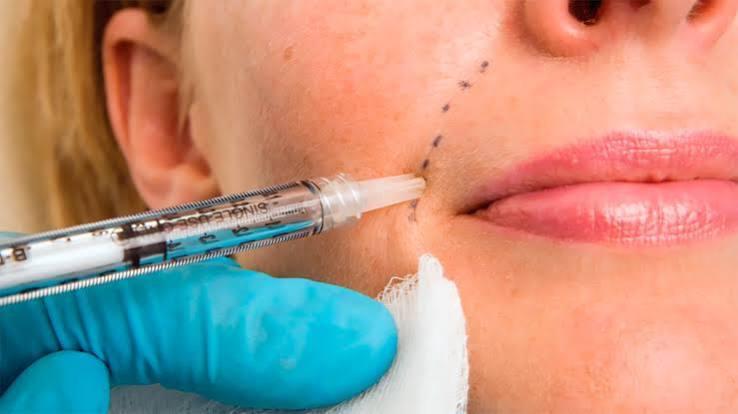
Dermal fillers are widely used in aesthetic medicine to restore lost facial volume, soften wrinkles, and improve facial proportions. Although these treatments are generally well tolerated, some patients notice changes in their appearance after receiving injections. Swelling is one of the most common temporary reactions, but in certain situations, patients may become concerned that the filler has moved away from its original injection site. This is known as filler migration.
Understanding the difference between filler migration and normal swelling is important for anyone considering or recovering from dermal filler treatment. While both conditions can cause changes in facial contours, they have different causes, characteristics, and treatment approaches. Recognising these differences can help patients understand what to expect during recovery and when professional assessment may be necessary.
What Is Normal Swelling After Dermal Filler Treatment?
Normal swelling is a temporary inflammatory response that occurs when the skin and underlying tissues react to injections. During treatment, a fine needle or cannula is used to introduce filler beneath the skin. This process can cause minor tissue irritation, resulting in fluid accumulation around the treated area.
Swelling is particularly common in areas with delicate skin and extensive blood supply, such as the lips, under-eye region, and cheeks. Its intensity varies depending on the injection technique, filler type, treatment area, and individual healing response.
Most post-treatment swelling develops within the first few hours. It may become more noticeable during the following 24 to 48 hours before gradually improving. In many cases, patients see significant improvement within several days, although some areas may take one to two weeks to settle completely.
Normal swelling generally remains close to the injection site and gradually decreases as the tissues recover. It may also be accompanied by mild tenderness, redness, or temporary bruising.
What Is Filler Migration?
Filler migration refers to the movement or displacement of dermal filler material away from its intended placement area. Instead of remaining where it was originally injected, the product may become noticeable in nearby tissues, creating unwanted fullness or changes in facial contours.
Migration can occur for several reasons, including excessive filler volume, inappropriate injection depth, repeated treatments without sufficient assessment, and individual anatomical characteristics. The properties of the filler itself may also influence how it behaves within surrounding tissues.
For example, repeated lip filler treatments may sometimes contribute to an appearance of fullness above the natural lip border. Similarly, unwanted fullness around other facial areas may create an uneven or less defined appearance.
However, not every change in facial shape indicates migration. Natural anatomical differences, existing facial fat compartments, and temporary post-treatment swelling can produce similar visual effects. A qualified medical professional must assess the area before determining whether migration has occurred.
Key Differences Between Filler Migration and Normal Swelling
Although both conditions can make a treated area appear fuller than expected, several characteristics help distinguish them.
1. Duration of the Changes
Normal swelling is temporary and generally improves as the body recovers from the injection process. Patients usually notice gradual changes over the first few days, with continued improvement during the following one to two weeks.
Filler migration, on the other hand, may persist beyond the normal recovery period. Since the filler material remains within the tissue, unwanted fullness may continue until it is professionally evaluated and, if necessary, treated.
2. Location of Facial Fullness
Swelling usually develops around the area where the injections were performed. For example, lip swelling typically affects the lips themselves, although nearby tissues may also appear temporarily puffy.
Filler migration may create fullness beyond the original treatment boundaries. Patients might notice an altered lip border, an unexpected bulge, or changes in facial contours that were not part of the intended result.
3. Changes Over Time
Normal swelling generally follows a predictable recovery pattern. It may initially increase before gradually decreasing.
Migration does not necessarily follow this pattern. The unwanted fullness may remain stable or become more noticeable over time. However, changes in appearance alone cannot confirm displacement.
4. Appearance and Texture
Swelling often creates a soft, puffy appearance that gradually becomes less noticeable. Mild tenderness may also occur during the initial recovery period.
Migrated filler may produce visible irregularities, persistent fullness, or an altered contour. In some cases, patients may notice lumps or uneven areas, although these symptoms can also have other causes.
What Causes Filler Migration?
Several factors may contribute to filler displacement or unwanted product distribution.
Excessive Filler Volume: Injecting more product than an area can comfortably accommodate may contribute to unwanted fullness and irregular contours. Appropriate volume selection is essential for maintaining natural-looking results.
Incorrect Injection Technique: Injection depth, placement, and product distribution influence treatment outcomes. Inappropriate technique may increase the risk of filler appearing outside the intended treatment area.
Repeated Treatments: Receiving additional filler before previous treatments have been properly assessed can lead to excessive product accumulation. This may change facial proportions and make the results appear less natural.
Facial Anatomy: Every individual has different tissue structures, fat compartments, and patterns of facial movement. These anatomical differences can influence how filler behaves after injection.
Filler Characteristics: Different fillers have different levels of thickness, flexibility, and water attraction. Selecting an appropriate product for the treatment area is important for achieving balanced results.
How Can You Tell Whether Your Filler Is Migrating?
Patients should observe how their treated areas change during the recovery period rather than immediately assuming that swelling indicates migration.
If the treated area becomes progressively less swollen, the changes are generally consistent with normal healing. However, persistent fullness outside the intended treatment area, unusual contour changes, or visible irregularities after the initial recovery period should be evaluated by an experienced practitioner.
It is also important to consider the timing of the symptoms. Changes that appear immediately after treatment may be related to swelling, injection-related tissue reactions, or product placement. Migration may become apparent later, but timing alone cannot establish the diagnosis.
Patients should avoid pressing, massaging, or attempting to reposition the filler unless specifically instructed by their treating practitioner. Unnecessary manipulation can irritate the tissues and complicate the assessment.
Can Filler Migration Be Treated?
Treatment depends on the type of filler used, its location, the amount of product involved, and the patient's individual circumstances.
Hyaluronic acid fillers can sometimes be dissolved using an enzyme called hyaluronidase. This treatment helps break down hyaluronic acid and may be considered when unwanted filler placement or migration is confirmed.
However, not every irregularity requires dissolving the filler. Some concerns may improve naturally, while others require a different management approach. Non-hyaluronic acid fillers also require different treatment considerations and cannot necessarily be dissolved using hyaluronidase.
A professional assessment is therefore essential before selecting a treatment method. Patients should avoid seeking corrective injections without first understanding the underlying cause of their concerns.
How Can Patients Reduce the Risk of Filler Migration?
Although no treatment can guarantee that migration will never occur, certain precautions can help reduce potential risks.
Choosing a qualified and experienced medical practitioner is one of the most important steps. A proper consultation allows the practitioner to evaluate facial anatomy, understand the patient's aesthetic goals, and select suitable products and injection techniques.
Patients should also avoid excessive filler volumes and unnecessary repeat treatments. Allowing sufficient time for previous injections to settle helps practitioners evaluate the actual results before recommending additional product.
Following aftercare instructions is equally important. Patients should avoid unnecessary pressure on treated areas, follow guidance regarding physical activities, and attend recommended follow-up appointments.
When Should You Seek Professional Assessment?
Mild swelling, tenderness, and bruising can be expected after dermal filler injections. However, severe or increasing pain, unusual skin discolouration, blanching, mottled skin, or changes in vision require urgent medical assessment. Visual symptoms following filler injections are a medical emergency.
Persistent lumps, unexpected fullness, and noticeable changes in facial proportions should also be discussed with the treating practitioner. Early evaluation can help identify the cause and determine whether any intervention is necessary.
Conclusion
Understanding the difference between filler migration and normal swelling helps patients recognise expected recovery changes and identify concerns that may require professional attention. Normal swelling is generally temporary and gradually improves, whereas filler migration involves unwanted product displacement that may cause persistent changes in facial contours. Since both conditions can sometimes look similar, professional evaluation is essential before considering corrective treatment.
Dr Hussam Abbadi emphasises the importance of appropriate filler selection, precise injection techniques, and individualised treatment planning to support balanced aesthetic outcomes. Patients considering Dermal Filler Treatments in Dubai should prioritise qualified medical expertise, realistic expectations, and proper aftercare to achieve natural-looking results while reducing potential complications.

 English
 Arabic
 French
 Spanish
 Deutsch
 Turkish
 Dutch
 Italiano
 Russian
 Romaian
 Portuguese (Brazil)
 Greek