


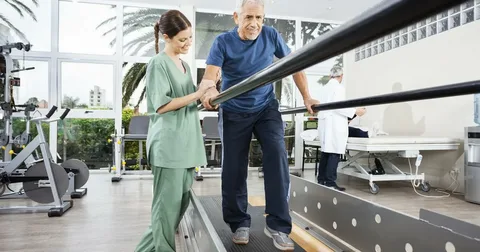
Movement is the foundation of independence, and when injury, surgery, or chronic pain disrupts it, the effects ripple through every part of daily life. Climbing stairs, carrying groceries, sitting at a desk, or playing with children all depend on a coordinated relationship between joints, muscles, and the nervous system. When that relationship breaks down, the body compensates, and those compensations often create new problems even after the original injury has healed. Residents of Marietta, a community where active lifestyles and demanding careers place steady stress on the musculoskeletal system, increasingly recognize that recovering well requires more than rest and medication. They need rehabilitation that evaluates how they actually move and builds a plan around their specific goals, whether that means returning to a physically demanding job, resuming a sport, or simply walking through the neighborhood without discomfort.
The demand for professional care has grown as patients and physicians alike recognize that generic exercise sheets rarely produce lasting results. A personalized program begins with a thorough assessment, identifies the root causes of limited movement, and progresses through stages that respect tissue healing while steadily increasing demand. This approach is particularly valuable for people recovering from joint replacement, managing arthritis, or addressing repetitive strain from work or recreation. For business owners and employers, supporting effective rehabilitation helps reduce absenteeism and supports a safer return to work. For families, it means a loved one regains confidence and independence. This is why so many individuals searching for Physical Therapy Marietta GA prioritize clinics that emphasize personalized evaluation and progressive, movement-based care over one-size-fits-all protocols.
Understanding Physical Therapy Marietta GA and Its Importance
Physical therapy is a healthcare profession focused on restoring movement, reducing pain, and improving physical function through evidence-based interventions. A personalized rehabilitation program begins with a comprehensive evaluation that includes a detailed history, physical examination, and functional assessment of strength, range of motion, balance, and movement quality. The therapist then identifies the specific impairments contributing to the patient's limitations and designs a plan that may include manual therapy, targeted exercise, neuromuscular re-education, and patient education. The importance of this individualized approach lies in its precision: two patients with the same diagnosis may have entirely different underlying restrictions, goals, and daily demands, and a plan built around the individual produces better outcomes than a generic routine. In Marietta, where residents range from student athletes to working professionals to older adults maintaining independence, this flexibility is what makes rehabilitation genuinely effective and relevant to real life.
Importance of Professional Rehabilitation for Pain and Mobility
Professional rehabilitation matters because movement problems rarely resolve on their own and often worsen when left unaddressed. Pain alters muscle recruitment, changes gait mechanics, and creates secondary restrictions in distant parts of the body, so treating only the symptomatic area frequently fails to resolve the underlying issue. A trained therapist understands these interconnected relationships and uses clinical reasoning to determine which impairments are primary and which are compensatory. Professional care also includes education on body mechanics, ergonomics, activity modification, and home exercise technique, all of which determine whether gains made in the clinic translate into lasting improvements. Therapists recognize when symptoms require referral to another provider, ensuring that serious conditions are not overlooked. This combination of assessment, treatment, education, and coordination makes professional rehabilitation far more reliable than self-directed exercise, and it is why patients recovering from surgery or managing chronic conditions benefit from structured, supervised care.
Services and Features Related to Physical Therapy Marietta GA
When patients access Physical Therapy Marietta GA, they encounter a range of services designed to support recovery across many conditions and life stages. Care typically begins with a comprehensive evaluation that reviews medical history, surgical reports, and current functional status, including range of motion, strength, balance, and gait. Treatment may include manual therapy to restore joint and soft tissue mobility, therapeutic exercise to rebuild strength and endurance, and neuromuscular re-education to improve coordination and control. Patients recovering from joint replacement receive progressive protocols that advance from basic motion to functional tasks such as stair negotiation and safe transfers. Those with back or neck pain receive posture and core stabilization training alongside ergonomic guidance. Sports injuries are addressed with sport-specific drills and objective return-to-play testing. Balance and fall prevention programs serve older adults, while vestibular rehabilitation addresses dizziness and balance disorders. Home exercise programs are carefully taught and progressed, and communication with physicians ensures coordinated care.
Choosing the Right Physical Therapy Marietta GA Provider
Selecting the right provider requires attention to credentials, experience, and the quality of the patient experience. Patients should confirm that the therapist is licensed and experienced in treating their specific condition, whether that involves orthopedic rehabilitation, post-surgical recovery, neurological conditions, or balance disorders. It is reasonable to ask how treatment plans are individualized and whether objective measures are used to track progress over time. A good provider will explain findings clearly, set realistic goals, and adjust the plan as the patient improves. Convenience, appointment availability, and insurance coverage are practical considerations, but they should not overshadow clinical quality. Reading patient reviews and asking for recommendations from physicians, surgeons, or trusted friends can provide useful insight. A brief initial conversation can help patients assess whether the therapist listens carefully, communicates clearly, and respects their goals and preferences, which are essential qualities for a productive rehabilitation relationship.
Quality, Safety, and Industry Standards
Quality and safety are fundamental in physical therapy because inappropriate exercise or missed warning signs can delay recovery or cause harm. Reputable providers follow established clinical guidelines and maintain current knowledge through continuing education and professional development. Safety begins with thorough screening for conditions that require medical referral, such as fractures, infections, or neurological deficits. During treatment, therapists monitor pain, fatigue, and movement quality to ensure that exercise is challenging but appropriate. Clinics maintain clean treatment areas and sanitize equipment between patients. Quality care includes objective outcome tracking, such as measuring strength, range of motion, balance, and functional task performance, so that progress is documented rather than assumed. Patients should feel comfortable asking questions about safety protocols and should expect clear explanations of why each intervention is being used. These standards protect patients and support consistent, ethical, and effective rehabilitation.
Benefits of Personalized Rehabilitation Programs
The benefits of personalized rehabilitation programs extend across physical function, confidence, and long-term health. Patients who participate in structured, individualized care typically experience reduced pain, improved strength and mobility, and greater confidence in daily activities. Those recovering from surgery often regain function faster and with fewer complications when guided by a therapist who adjusts the plan to their healing timeline. Older adults gain balance and fall prevention skills that help them remain independent at home. Workers benefit from ergonomic guidance and conditioning that support job performance and reduce strain. Athletes benefit from sport-specific rehabilitation that supports safe return to competition. Beyond physical improvements, personalized rehabilitation provides education and encouragement that empower patients to take an active role in their health. These benefits contribute to better long-term outcomes and a higher quality of life, and they demonstrate why individualized care consistently outperforms generic exercise advice.
Future Trends and Industry Development
The field of physical therapy continues to evolve as technology and research expand what clinicians can measure and treat. Telehealth has improved access to follow-up care and exercise progression, particularly for patients with transportation or scheduling challenges. Wearable sensors and mobile applications allow therapists to monitor activity and movement outside the clinic, providing a more realistic picture of patient function. Movement analysis tools that use video and artificial intelligence are becoming more accessible, helping therapists identify subtle impairments and track changes over time. There is also growing emphasis on load management, sleep, nutrition, and psychological factors that influence recovery. These developments complement clinical judgment rather than replacing it, and they give therapists more precise information for personalizing care. As the industry advances, patients can expect rehabilitation that is increasingly data-informed, convenient, and focused on meaningful functional outcomes.
Conclusion
Restoring mobility and improving physical function is a process that depends on accurate assessment, individualized treatment, and consistent progression toward meaningful goals. Generic routines rarely address the specific impairments that limit a patient's daily life, while personalized rehabilitation identifies root causes and builds a plan around the movements that matter most. For residents of Marietta who want care that is practical, evidence-based, and tailored to their circumstances, choosing Physical Therapy Marietta GA ensures access to clinicians who prioritize thorough evaluation, hands-on treatment, and patient education. Whether the goal is recovering from surgery, managing a chronic condition, or simply moving through the day without pain, the right rehabilitation program makes a measurable difference. Investing in personalized physical therapy is an investment in lasting function, confidence, and quality of life.

 English
 French
 Spanish
 Portuguese
 Deutsch
 Turkish
 Dutch
 Italiano
 Russian
 Romaian
 Portuguese (Brazil)
 Greek