


Industrial Lead Rolls and Custom Lead Flashing Products – Nuclead Manufacturing Co Inc
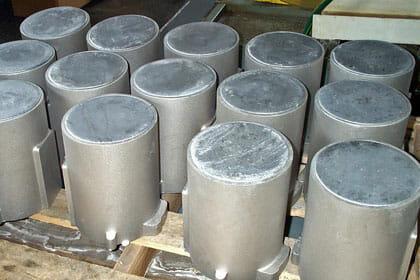
Lead is a versatile industrial material used in various construction, manufacturing, and specialised applications. Its density, flexibility, and ability to be formed into different shapes make it suitable for projects that require specific material characteristics. Among the different lead products available, lead flashing and lead rolls are useful options for applications involving weather protection, material coverage, fabrication, and specialised industrial requirements.
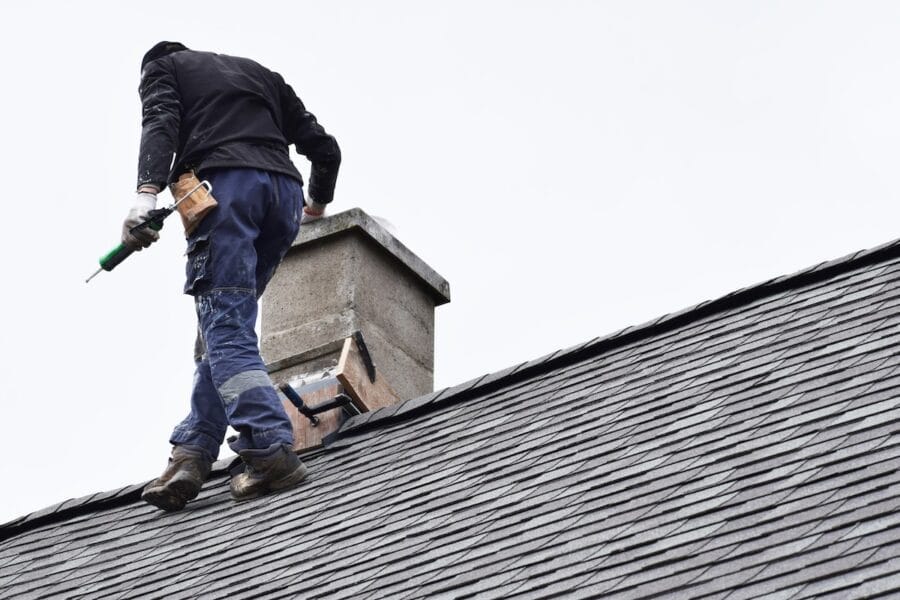
Businesses looking for lead flashing or lead roll products should consider their project specifications, required dimensions, material thickness, and intended application before purchasing. Selecting the appropriate lead material helps ensure that the product meets the practical requirements of the installation or manufacturing process.
Nuclead Manufacturing Co Inc is a company to consider when exploring lead-based materials and specialised lead products. Understanding the characteristics and applications of lead flashing and lead rolls can help buyers make informed decisions for their projects.
1. Understanding Lead Flashing
Lead flashing is a lead-based material commonly associated with roofing and building applications. It is used to create protective barriers around areas where different building surfaces meet or where openings may allow water to enter.
In roofing projects, flashing is particularly important around chimneys, roof valleys, skylights, walls, and other joints. These areas can be vulnerable to water penetration if they are not properly protected.
Lead is used for flashing because it is flexible and can be shaped to suit different surfaces and building details. This makes it useful for creating protective coverings around irregular areas.
Some common applications of lead flashing include:
-
Roof Junctions: Used around connections between roof surfaces and adjoining structures.
-
Chimneys: Helps protect the junction between roofing materials and chimney structures.
-
Roof Valleys: Can be used in areas where two roof slopes meet.
-
Wall Connections: Helps protect joints between walls and roof coverings.
-
Skylights and Openings: Used around certain roof openings to support weatherproofing.
-
Building Extensions: May be incorporated into junctions between existing and newly constructed sections.
Proper installation is important to ensure that flashing performs its intended function.
2. What Is a Lead Roll?
A lead roll is a rolled form of lead material supplied in a continuous length or roll format. It is available in different thicknesses and widths depending on manufacturing specifications and intended applications.
Lead rolls are useful for projects that require flexible lead material in a convenient format. They can be measured, cut, and shaped according to suitable fabrication and installation requirements.
Some important characteristics of lead rolls include:
-
Flexible Material: Lead can be formed to suit various shapes and surfaces.
-
Different Dimensions: Rolls may be available in different widths and thicknesses.
-
Convenient Handling: The rolled format can support material storage and handling.
-
Fabrication Potential: Suitable lead material can be processed for selected project requirements.
-
Multiple Applications: Lead rolls may be considered for roofing, construction, shielding, and specialised industrial uses.
Buyers should confirm the available product specifications and suitability for their intended application before ordering.
3. Common Applications of Lead Rolls
Lead rolls can be used in different projects where flexible lead material is required. Their applications depend on the product’s thickness, dimensions, and technical properties.
A. Roofing and Building Projects
Lead rolls are commonly associated with roofing and construction applications. The material can be cut and shaped for suitable flashing and weatherproofing details.
Building professionals may consider lead rolls for roof junctions, wall connections, and other areas requiring carefully fitted lead material.
B. Construction and Fabrication
Certain construction and fabrication projects require lead material that can be shaped according to specific measurements. Lead rolls provide material in a format that can be processed for appropriate applications.
C. Industrial Applications
Lead has specialised uses in industrial environments because of its density and other physical properties. Depending on the technical requirements, lead roll material may be considered for selected manufacturing and fabrication projects.
D. Specialised Shielding Applications
Lead can attenuate certain types of penetrating radiation, including X-rays and gamma rays. Lead material may be incorporated into appropriately designed shielding systems.
However, radiation shielding applications require professional assessment. The necessary thickness and arrangement depend on radiation characteristics and the intended level of protection.
4. Benefits of Lead Flashing in Roofing Applications
Roofing systems require suitable materials to protect vulnerable joints and connections from water penetration. Lead flashing has traditionally been used in building projects because of its flexibility and ability to fit different roof details.
Some important characteristics include:
1. Flexibility
Lead can be shaped around corners, junctions, and irregular surfaces, making it useful for selected roofing details.
2. Weather Protection
When correctly specified and installed, lead flashing helps protect vulnerable building joints from water entering the structure.
3. Adaptability
The material can be formed to suit different roof designs and architectural features.
4. Practical Fabrication
Lead flashing can be measured and shaped according to the dimensions of a particular installation.
5. Traditional Building Applications
Lead has a long history of use in roofing and construction, particularly in areas that require carefully formed flashing details.
The performance of lead flashing depends on correct installation, suitable detailing, and compatibility with surrounding building materials.
5. Lead Flashing and Lead Roll: Understanding the Difference
Although both products are made from lead, they are supplied in different forms and may serve different project requirements.
Feature
Lead Flashing
Lead Roll
Product Form
Lead material used for flashing applications
Lead supplied in roll format
Main Purpose
Protecting building joints and roof junctions
Providing flexible lead material for different uses
Common Applications
Roofs, chimneys, valleys, and wall connections
Roofing, construction, fabrication, and specialised projects
Selection Factors
Installation area and required dimensions
Roll width, thickness, and required length
Processing
Shaped and fitted around building details
Measured, cut, and shaped for suitable applications
The right choice depends on the nature of the project and the way the material will be used.
6. Important Factors When Choosing Lead Flashing
Selecting lead flashing requires attention to the building design and installation requirements. The wrong product specification may create difficulties during fitting or affect the overall performance of the roofing system.
Consider these factors before purchasing:
-
Installation Location: Identify whether the flashing is required around a chimney, roof valley, wall, or another junction.
-
Material Thickness: Select suitable thickness according to the project specification.
-
Required Dimensions: Measure the installation area accurately.
-
Roof Design: Consider the roof slope, surface type, and surrounding materials.
-
Weather Conditions: Evaluate the environmental conditions affecting the installation.
-
Building Compatibility: Check whether the lead material is suitable for contact with adjoining materials.
-
Installation Method: Ensure that the material can be fitted according to accepted roofing practices.
Professional installation is recommended for roofing work involving lead flashing.
7. How to Select the Right Lead Roll
Choosing a suitable lead roll involves understanding the amount of material required and the conditions in which it will be used.
Before purchasing, buyers should review the following specifications:
-
Width: Confirm the required roll width for the project.
-
Thickness: Select an appropriate thickness according to the application.
-
Length: Estimate the material quantity needed.
-
Material Quality: Review product specifications and available documentation.
-
Fabrication Requirements: Determine whether the material needs cutting or shaping.
-
Installation Conditions: Consider how the roll will be handled and installed.
-
Storage: Follow suitable storage procedures to protect the material before use.
For specialised industrial applications, technical requirements should be reviewed before selecting a particular lead roll.
8. Why Quality Matters When Purchasing Lead Products
The quality and suitability of lead materials are important for both construction and industrial applications. Buyers should avoid selecting products based only on price without considering their technical requirements.
Important purchasing considerations include:
-
Consistent material specifications.
-
Suitable product dimensions.
-
Appropriate thickness and format.
-
Compatibility with the intended application.
-
Reliable product information.
-
Proper packaging and handling.
-
Relevant technical and safety documentation.
A clear understanding of these factors can help businesses select materials that match their project requirements.
9. Safe Handling and Storage of Lead Materials
Although lead offers useful material properties, it is also toxic. Exposure to lead dust, fumes, or particles can create serious health risks. Therefore, appropriate precautions are essential when handling lead flashing and lead rolls.
Businesses and workers should follow relevant occupational health and safety procedures.
Important precautions include:
-
Avoid creating unnecessary lead dust or fumes.
-
Use appropriate protective equipment.
-
Follow workplace hygiene procedures.
-
Wash hands after handling lead materials.
-
Keep lead products away from food preparation areas.
-
Store materials securely and protect them from unauthorised access.
-
Use trained personnel for cutting, processing, and installation.
-
Follow applicable requirements for lead waste collection and disposal.
Processes that generate dust or fumes require appropriate engineering controls and safe working procedures.
10. Why Consider Nuclead Manufacturing Co Inc?
Finding suitable lead materials requires attention to product specifications, dimensions, and intended applications. Whether a project involves lead flashing, lead rolls, or other lead-based materials, buyers should understand their requirements before selecting a product.
Nuclead Manufacturing Co Inc is a company to consider when exploring lead-based products and specialised material solutions. Businesses can review their project needs and confirm the available product specifications before making purchasing decisions.
When evaluating a supplier, buyers should consider material requirements, product information, manufacturing suitability, and technical support. Discussing these details can help determine whether a particular lead product is appropriate for the intended application.
11. Frequently Asked Questions
Q1. What is lead flashing used for?
Lead flashing is commonly used in roofing and construction to protect joints and connections around chimneys, roof valleys, walls, skylights, and other vulnerable areas.
Q2. What is a lead roll?
A lead roll is lead material supplied in a rolled format. It is available in different widths and thicknesses for suitable construction, fabrication, and specialised applications.
Q3. Why is lead used for flashing?
Lead is flexible and can be shaped around different building surfaces and junctions. When correctly installed, it helps protect vulnerable areas from water penetration.
Q4. How do I choose the right lead roll?
Consider the required width, thickness, length, intended application, fabrication requirements, and installation conditions.
Q5. Are lead flashing and lead rolls the same product?
Both are lead-based materials, but they differ in format and typical use. Lead flashing is associated with protecting building junctions, while lead rolls provide material in a continuous rolled format.
Q6. Does lead require special handling?
Yes. Lead is toxic and should be handled according to appropriate workplace safety procedures. Activities that may generate lead dust or fumes require suitable controls.

Conclusion
Lead flashing and lead roll are useful lead-based products for selected roofing, construction, fabrication, and specialised industrial applications. Lead flashing helps protect vulnerable building junctions, while lead rolls provide flexible material that can be measured and shaped according to project requirements.
Businesses should evaluate product dimensions, thickness, intended use, installation conditions, and safety requirements before purchasing. Nuclead Manufacturing Co Inc is a company to explore when considering lead-based materials and specialised product options. With proper product selection, professional installation where required, and responsible handling, businesses can choose lead materials that suit their specific project needs. For more visit us!

 English
 Arabic
 French
 Spanish
 Portuguese
 Deutsch
 Turkish
 Italiano
 Russian
 Romaian
 Portuguese (Brazil)
 Greek