


How Can ERG Vanadium Flow Battery System Support Renewable Projects
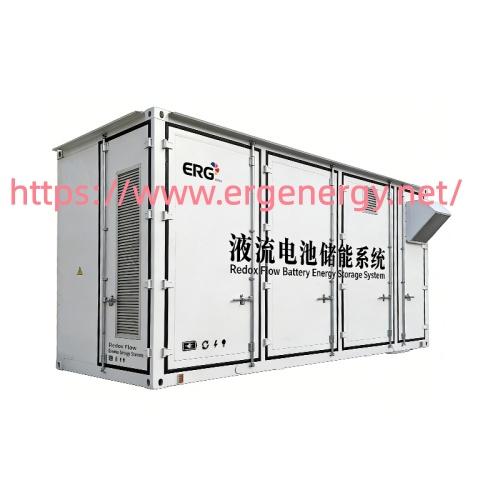
Vanadium Flow Battery System development is becoming an interesting subject for businesses planning renewable electricity projects, industrial energy management, and long duration power storage. As electricity consumption patterns change, companies are paying closer attention to how energy can be collected, stored, and supplied according to operational requirements. However, selecting suitable equipment involves more than comparing product specifications. Buyers also need to consider installation conditions, material compatibility, maintenance arrangements, and the experience of the manufacturer behind the equipment.
One aspect that deserves attention is the relationship between equipment design and the location where it will be installed. An industrial facility may have limited indoor space, while a renewable energy project may require outdoor equipment with different environmental considerations. These differences influence enclosure design, pipeline arrangements, electrical connections, and the placement of supporting components. A purchasing decision should therefore begin with a clear understanding of the installation environment.
Material selection is another important consideration. Electrolyte storage containers, circulation pipelines, membranes, electrodes, and sealing components all need to work together under specific chemical and operating conditions. Corrosion resistance, mechanical strength, chemical compatibility, and sealing characteristics can influence equipment maintenance and operating arrangements. Manufacturers need to evaluate these materials as connected parts of an overall engineering design.
Electrolyte management also creates interesting opportunities for research and product development. In vanadium redox technology, liquid electrolytes participate in the electrochemical reactions responsible for charging and discharging. Their condition and chemical characteristics deserve attention throughout the operating process. Research into electrolyte formulations, material compatibility, and chemical stability can contribute useful information for future product development. This is particularly relevant to companies seeking equipment for applications involving regular energy storage and release.
Another topic that industrial buyers frequently consider is the relationship between power output and storage duration. Different projects have different priorities. A factory may want to manage electricity consumption during periods of high demand, while a renewable energy developer may need to coordinate electricity generation with changing consumption patterns. Understanding the difference between these requirements helps engineers determine the appropriate equipment configuration.
The architecture of liquid electrolyte technology offers an interesting approach to this challenge. Energy is stored in external electrolyte tanks, while an electrochemical stack handles energy conversion. This separation allows engineers to consider power capacity and stored energy capacity as related but independently configurable design elements. For project developers, this creates additional flexibility when planning installations around specific operational objectives.
Purchasing teams should also pay attention to maintenance accessibility. Equipment that requires regular inspection should have practical access to relevant connections, pumps, pipes, and electrical components. Clearly organized layouts can make inspection procedures easier for technical personnel. The availability of replacement components and manufacturer support should also be considered before a purchasing agreement is finalized.
From a user experience perspective, equipment operation should be understandable to the people responsible for managing the installation. Monitoring interfaces, operating procedures, inspection arrangements, and control functions all influence daily management. Clear technical documentation can help operators understand equipment status and respond appropriately when maintenance is required. These practical details deserve attention alongside chemical and electrical considerations.
Manufacturing experience is another factor that can influence project outcomes. A supplier should be able to communicate clearly about production processes, material selection, quality inspections, and customization possibilities. Buyers may need equipment developed around their own drawings, samples, site conditions, or application requirements. Having these discussions before production begins helps establish realistic expectations and provides a clearer direction for engineering coordination.
ERG focuses on research, development, and manufacturing in the industrial energy storage sector. Its product portfolio includes complete installations, electrochemical stacks, electrolyte materials, and supporting components. The company also works on aqueous organic electrolyte research, structural improvements, and manufacturing process development. This combination of activities connects fundamental material research with practical engineering and production requirements.
The visual arrangement of industrial equipment should not be overlooked either. An organized external structure can help operators identify different components and understand how individual sections connect. Practical enclosure layouts, accessible inspection areas, and carefully arranged pipelines contribute to installation planning. For projects located in commercial or industrial environments, appearance and space utilization may also influence how equipment fits into the surrounding facility.
Environmental planning is becoming another consideration for purchasing decisions. Businesses are increasingly evaluating how renewable electricity can contribute to their energy strategies. Solar installations, wind generation, and local electricity networks can all involve changing supply conditions. Energy storage equipment may help coordinate electricity availability with consumption requirements, although the actual benefits depend on project design, operating conditions, and local electricity arrangements.
A purchasing decision should ultimately connect technical requirements with long term operational planning. Material compatibility, equipment configuration, installation conditions, maintenance access, and manufacturing support all deserve consideration before selecting a supplier. ERG brings research and manufacturing resources together for customers evaluating different industrial energy storage applications. Companies planning renewable energy projects, commercial installations, or customized engineering developments can visit https://www.ergenergy.net/ to review its product range and learn how its manufacturing capabilities may correspond with their project requirements.

 English
 Arabic
 French
 Spanish
 Portuguese
 Deutsch
 Turkish
 Dutch
 Italiano
 Russian
 Portuguese (Brazil)
 Greek