


Types of Bonds in Finance: Classification, Interest Structures, and Investment Considerations
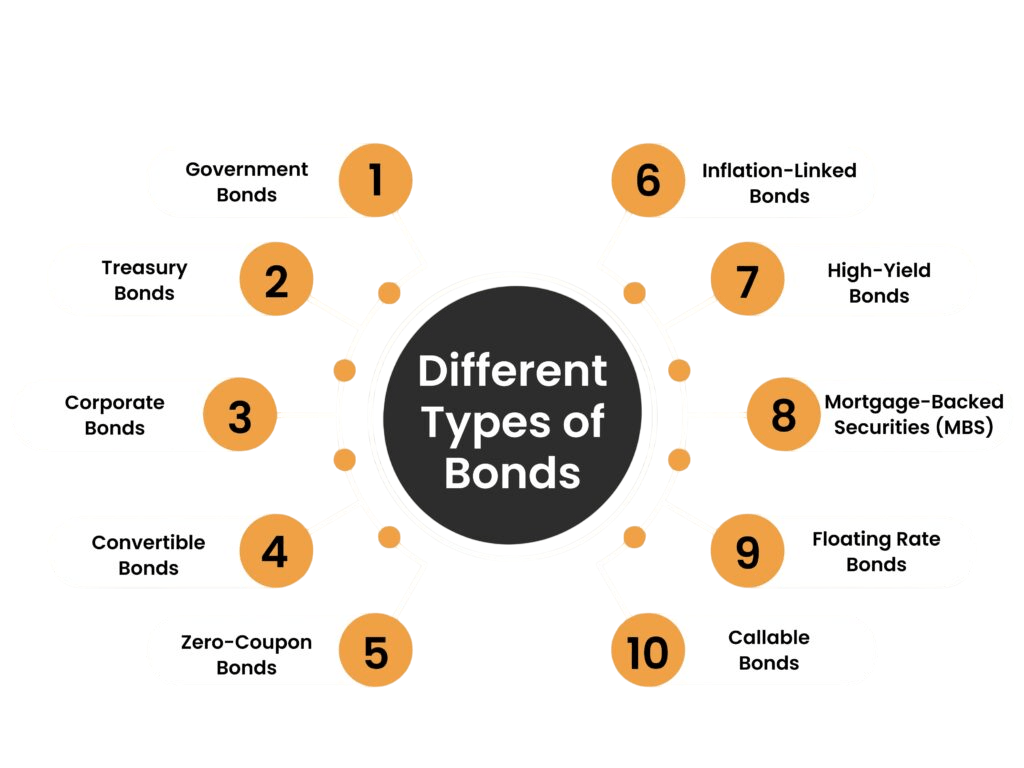
When you think about types of bonds in finance, what comes to mind? Maybe it's a luxurious piece of paper that promises you money in return for your investment. But there’s way more to bonds than just being fancy papers. Let’s break down the essentials of bonds in a way anyone can grasp.
1. Classification of Different Types of Bonds
First off, let’s classify the types of bonds in finance. The common ones you might hear about include government bonds, corporate bonds, and municipal bonds.
Government bonds are issued by national governments and are usually considered safe investments. Corporate bonds, on the other hand, are issued by companies. These can be riskier but often offer higher returns. Then there are municipal bonds, which are issued by local governments and can come with interesting tax benefits.
2. Understanding Bond Interest Structures
Now that we have a grasp on classifications, let’s dive into the interesting part: interest structures. Here’s where it gets a bit juicy!
The interest you earn on your bond typically comes in two flavors: fixed and variable. Fixed-rate bonds give you a steady interest income over time—think of them as a reliable friend who always shows up.
Variable-rate bonds, however, can flip the script and their interest payments can change, keeping you on your toes. Deciding between these two entirely depends on your risk appetite and financial goals.
3. Investment Considerations When Choosing Bonds
Next, we can't forget about the investment considerations when looking at the types of bonds in finance. The key is understanding your risk tolerance.
If you value stability and are okay with lower returns, government bonds might be your best pal. But if you’re a thrill-seeker eager for higher yields, corporate bonds could offer just the excitement you crave.
Always take into account things like credit ratings of the issuer, the current economic outlook, and inflation, which can chip away at your returns.
4. The Importance of Bonds in Investment Portfolios
In a world where savvy investing is more important than ever, knowing the types of bonds in finance can empower you to make informed decisions.
Bonds may sound boring, but they are vital instruments that can anchor your investment portfolio. So instead of thinking of them as just pieces of paper, imagine them as stepping stones to your financial freedom.
Conclusion
Remember, investment is not a one-size-fits-all journey. Take your time, do your research, and choose the bond that resonates with your financial style.
After all, it's your money, so make it work for you!

 English
 Arabic
 French
 Spanish
 Portuguese
 Deutsch
 Turkish
 Dutch
 Italiano
 Russian
 Romaian
 Greek