


Top Clinics for Rhinoplasty in Dubai: A Guide to Choosing the Right Provider
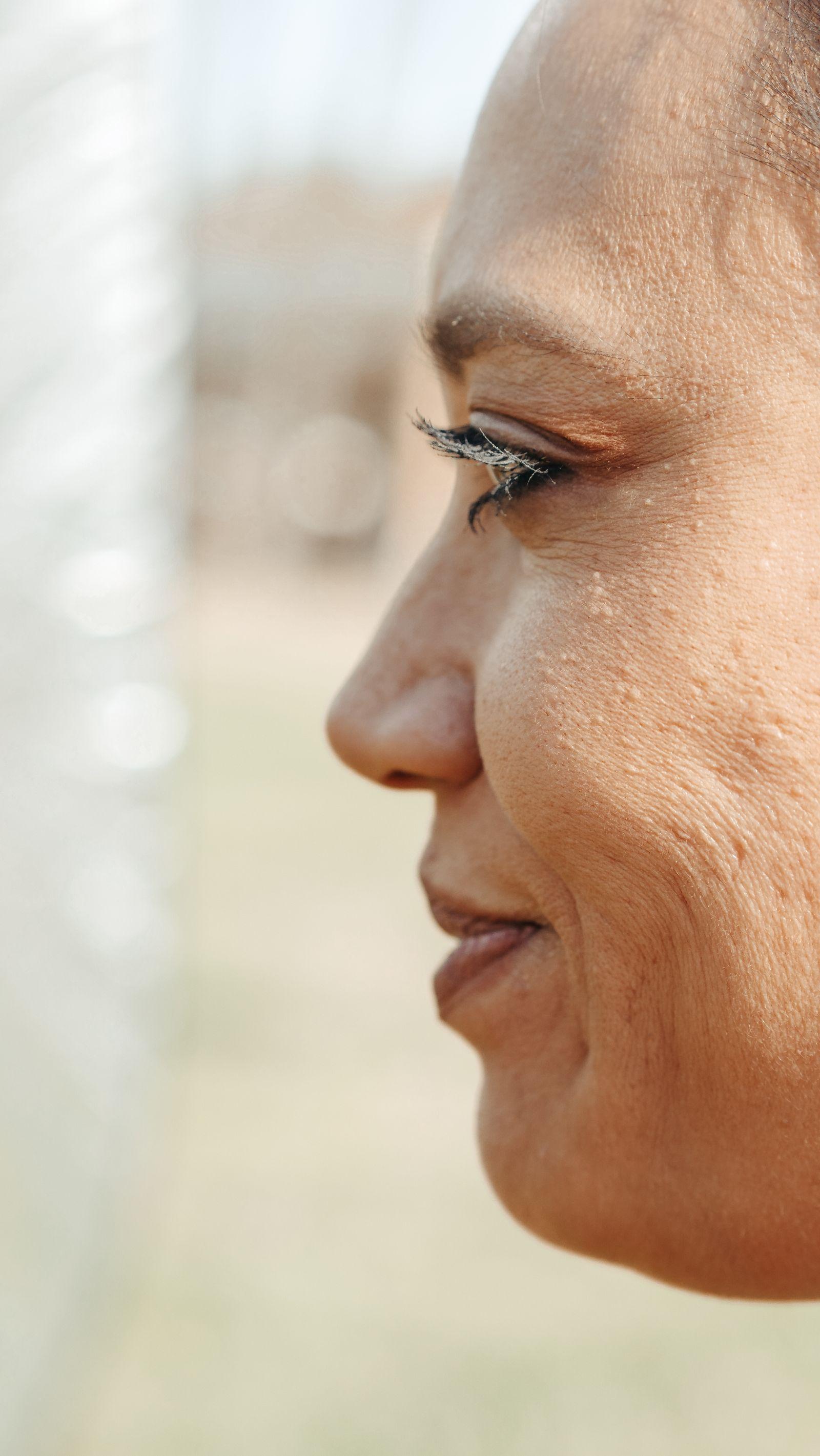
The nose sits at the centre of the face, so even a small change to its shape can alter how a person looks and feels about themselves. It is little surprise that nose reshaping is one of the most frequently requested cosmetic operations in the United Arab Emirates. For patients weighing up their options, Rhinoplasty in Dubai brings together experienced surgeons, modern clinics and a wide range of providers, all within a city that has built a strong reputation for cosmetic and aesthetic care.
Yet the choice of clinic is rarely straightforward. Dozens of providers in Dubai, UAE, offer nose surgery, and their marketing can sound almost identical. What matters most is the skill of the surgeon, the honesty of the consultation, and the quality of care before and after the operation.
This guide looks at how rhinoplasty works, what recovery involves, and how to compare clinics sensibly. It then profiles eight recognised providers in Dubai, UAE, giving the longest section to the clinic that anchors the roundup.
What Rhinoplasty Involves
Rhinoplasty is a surgical procedure that reshapes the nose by changing the bone and cartilage beneath the skin. A surgeon may smooth a hump on the bridge, refine a broad or rounded tip, narrow wide nostrils, straighten a nose that leans to one side, or rebuild the nose after an injury. The same operation can also improve breathing when the internal passages of the nose are narrowed or bent, and many patients seek both cosmetic and functional improvement in one procedure.
The operation is planned around the individual. During consultation, the surgeon examines the nose from the outside and the inside, looks at the proportions of the whole face, and discusses what the patient hopes to change. Photographs are often taken, and some clinics use imaging to show a rough idea of the possible result. These images are a guide only, not a promise.
The surgery itself usually takes between one and three hours, depending on the complexity of the case. It is normally carried out under general anaesthesia. Small incisions allow the surgeon to reach the bone and cartilage, reshape them, and, where needed, add grafts of cartilage to support the structure. A splint is placed on the outside of the nose afterwards.
Open and Closed Rhinoplasty
Surgeons generally use one of two approaches, and the choice depends on the changes required. In a closed rhinoplasty, every incision is made inside the nostrils, so there is no visible scar on the outside of the nose. This approach often means less swelling in the early weeks and a slightly shorter initial recovery, and it suits patients who need relatively modest changes to the bridge or tip.
In an open rhinoplasty, the surgeon makes a small incision across the columella, the narrow strip of skin between the nostrils, and lifts the skin to see the bone and cartilage directly. This gives a clearer view and greater control, which is often needed for more complex reshaping, for correcting asymmetry, or for revision surgery on a nose that has been operated on before. The small scar across the columella usually fades well over time, although healing varies from person to person.
Neither approach is better in every case. A good surgeon will explain which method is recommended for the individual patient and why. Patients should feel free to ask about the reasons for the recommendation and about the surgeon's experience with each approach.
Who Is a Suitable Candidate
Rhinoplasty generally suits adults whose facial growth is complete and who are in reasonable general health. The best candidates have a clear, specific concern about their nose and a realistic idea of what surgery can achieve. The operation can refine the shape of the nose, but it cannot create an entirely different face, and it cannot guarantee a particular result.
Patients who have breathing difficulties caused by a deviated septum or narrow nasal valves may benefit functionally as well as cosmetically. People with thick skin should know that thick skin can limit the amount of fine definition surgery can produce, particularly at the tip.
Recovery and Realistic Expectations
Recovery from rhinoplasty is gradual, and patience is part of the process. Most patients have a splint on the nose for about a week, with bruising around the eyes that usually fades within two weeks. Light daily activities can often be resumed within one to two weeks, but strenuous exercise and contact sports are normally avoided for several weeks.
Swelling is the slowest part of recovery. The nose may look swollen for weeks, and subtle swelling, particularly at the tip, can continue for many months. The final shape of the nose may not be fully visible for up to a year. Results vary from person to person, and no surgeon can guarantee a specific outcome. A small number of patients later consider revision surgery, and this possibility should be discussed openly during consultation.
Top Clinics for Rhinoplasty in Dubai
The clinics below are listed to help readers compare their options. Each is a recognised provider in Dubai, UAE, and each should be assessed on its own merits through a consultation. Patients are encouraged to visit more than one clinic, ask the same questions at each, and compare the answers before deciding.
1. Dynamic Life Clinic
Dynamic Life Clinic is a cosmetic and aesthetic clinic in Dubai, UAE, offering a range of surgical and non-surgical treatments. Patients considering rhinoplasty may explore its services and enquire about the surgeons who perform nose surgery, their experience with cases similar to their own, and the techniques they use.
As with any provider, prospective patients should ask about consultation fees, what the consultation includes, and what aftercare is provided.
2. Enfield Royal Clinic Dubai
Enfield Royal Clinic Dubai is a plastic, cosmetic and aesthetic clinic based in Dubai, UAE. The clinic was established in 2007 and states that it has performed more than 3,500 plastic surgeries and delivers over 20,000 aesthetic treatments each year, with DHA-licensed medical professionals on its team. It is located at Villa 1089, Al Wasl Road, Al Manara, Dubai, UAE. Its services include plastic surgery, cosmetic procedures, dermatology, hair transplant, cosmetic injectables, laser treatments and dentistry, and treatment planning is described as personalised according to individual patient needs.
For patients considering rhinoplasty, the clinic offers surgical nose reshaping as part of its plastic surgery services. A consultation would typically include an assessment of the nose, a discussion of the patient's goals, and an explanation of what the procedure can and cannot achieve. Patients may enquire about the surgeon's experience with rhinoplasty, the approach recommended for their case, and the expected recovery period.
The clinic also provides procedure-specific aftercare, which is an important part of any surgical journey. Patients should ask what aftercare involves, how many follow-up appointments are included, and who to contact if they have concerns after surgery. Because rhinoplasty results develop slowly over many months, a clinic that stays in contact through the recovery period can make a real difference to a patient's confidence.
It is worth noting that honest limitations apply here as everywhere else. Swelling after surgery can last for many months, the final shape may not be visible for up to a year, and results vary between patients. A reputable clinic will say this plainly during consultation rather than promising a guaranteed result.
3. Emirates Hospital
Emirates Hospital is a general hospital in Dubai, UAE, with departments covering a range of medical and surgical specialties, including cosmetic and plastic surgery. Patients considering rhinoplasty may explore its services and enquire about the plastic surgeons on its team and their experience with nose surgery.
A hospital setting may appeal to patients who value access to broader medical facilities and inpatient support.
4. Cocoona Clinic
Cocoona Clinic is a cosmetic surgery and aesthetic clinic in Dubai, UAE, offering surgical and non-surgical treatments. Patients interested in rhinoplasty may explore its services and enquire about the surgeons who carry out nose surgery and the techniques they favour for different nose shapes and concerns.
As with any clinic, patients should ask what a consultation covers and what aftercare is included.
5. Tajmeels Clinic
Tajmeels Clinic is a cosmetic and aesthetic clinic in Dubai, UAE, providing a range of surgical and non-surgical treatments. Patients considering nose surgery may explore its services and enquire about the experience of its surgeons with rhinoplasty and the results that can reasonably be expected.
Prospective patients should use the consultation to ask about the surgeon's approach, the likely recovery timeline, and the aftercare provided.
6. Dubai Cosmetic Surgery Clinic
Dubai Cosmetic Surgery Clinic is a cosmetic surgery clinic in Dubai, UAE, offering a range of surgical procedures, including nose reshaping. Patients may explore its services and enquire about the surgeons who perform rhinoplasty, their experience, and the techniques they recommend for each individual case.
Patients should ask about the consultation process, what is included in the surgical fee, and what aftercare is provided.
7. Al Zahra Hospital Dubai
Al Zahra Hospital Dubai is a private hospital in Dubai, UAE, offering a wide range of medical and surgical services, including plastic and cosmetic surgery. Patients considering rhinoplasty may explore its services and enquire about the plastic surgeons who perform nose surgery and their experience with the procedure.
A hospital environment may suit patients who prefer the reassurance of full medical facilities and inpatient care.
8. King's College Hospital London Dubai
King's College Hospital London Dubai is a hospital in Dubai, UAE, providing a broad range of medical and surgical services, including plastic and cosmetic surgery. Patients considering rhinoplasty may explore its services and enquire about the surgeons who carry out nose surgery and the techniques they use.
Patients should ask about the consultation process and the aftercare provided after the operation.
How to Compare Clinics for Rhinoplasty
Choosing a clinic deserves as much care as choosing the procedure itself. The following points can help structure the comparison.
Surgeon experience. Ask how often the surgeon performs rhinoplasty and how many years they have focused on nose surgery. A surgeon who carries out the operation regularly is more likely to be familiar with its challenges. Confirm that the surgeon is appropriately qualified and licensed to practise in Dubai, UAE.
Technique and planning. Some surgeons favour an open approach, others a closed approach, and many use both depending on the case. Ask which approach is recommended for you and why.
Safety standards. The clinic or hospital should meet recognised safety standards, with proper sterilisation, anaesthesia support and emergency arrangements.
Consultation quality. A proper consultation should include an examination of the nose inside and out, a discussion of your goals, and an honest assessment of what is achievable. Be cautious of any provider that offers surgery without a thorough examination.
Aftercare and follow-up. Ask what aftercare is included, how many follow-up appointments are scheduled, and who to contact if problems arise. Recovery from rhinoplasty takes months, and good follow-up care is part of the service.
Frequently Asked Questions
What does rhinoplasty change?
Rhinoplasty changes the shape, size or proportions of the nose by reshaping its bone and cartilage framework. It can smooth a hump on the bridge, refine the tip, narrow wide nostrils, straighten a crooked nose, or improve breathing when internal structures are narrowed.
How long will swelling last after rhinoplasty?
Visible swelling and bruising usually ease within two to three weeks. However, subtle swelling can persist for many months, particularly at the tip of the nose, and the final shape may not be fully visible for up to a year.
Will rhinoplasty leave a scar?
In a closed rhinoplasty, all incisions are made inside the nostrils, so there is no visible external scar. In an open rhinoplasty, a small incision is made across the columella, the strip of skin between the nostrils. This scar is usually small and fades over time, though healing varies from person to person.
Can I breathe better after rhinoplasty?
Yes, in many cases. If breathing difficulty is caused by a deviated septum, enlarged turbinates or narrow nasal valves, the surgeon can address these problems during the same operation. An examination of the inside of the nose is needed to determine whether breathing can be improved.
Is a second operation ever needed?
A small number of patients later consider revision surgery, either because of how the nose has healed or because their goals have changed. This possibility should be discussed openly during the first consultation.
Conclusion
Rhinoplasty is a significant decision, and it deserves careful thought and honest advice. The shape of the nose affects the balance of the whole face, and the results of surgery develop slowly, so patience is as important as the operation itself.
For anyone still weighing their options, reading more about a nose job — what it involves, who it suits, and what recovery really looks like — is a sensible next step before booking a consultation and discussing your own goals in person.

 Arabic
 French
 Spanish
 Portuguese
 Deutsch
 Turkish
 Dutch
 Italiano
 Russian
 Romaian
 Portuguese (Brazil)
 Greek