


Boiler Repair Services in Sheffield: Fixing Boiler Pressure That Is Too High or Too Low
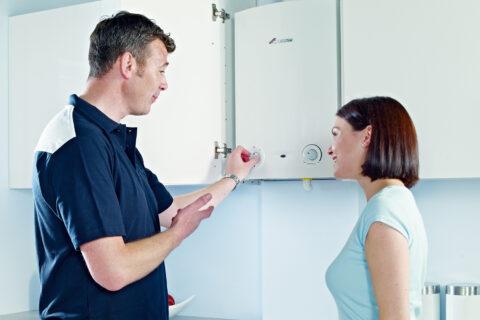
The small pressure gauge on the front of your boiler is one of the most useful indicators of how healthy your heating system is. When the needle sits in the right zone, the boiler can run safely and efficiently. When it drops too low or climbs too high, problems soon follow, from cold radiators and lockouts to dripping pipes outside.
Pressure problems are among the most common boiler faults, and some are easy to manage at home. Others point to a leak or a failing component that needs proper attention. This guide explains what normal pressure looks like, why it changes, how to deal with it safely, and when to call professional boiler repair services in Sheffield.
What Is Normal Boiler Pressure?
Most modern sealed heating systems, including combi and system boilers, should sit at around 1 to 1.5 bar when the heating is off and the system is cold. When the heating is running, it is normal for the pressure to rise slightly, often to around 2 bar, because water expands as it heats up.
Many gauges have a green zone showing the normal range, and red zones for pressure that is too low or too high. Check the manufacturer's manual for the exact figures for your boiler.
Why Pressure Matters So Much
Pressure is what pushes hot water around your radiators and through the boiler's heat exchanger. If it is too low, water cannot circulate properly and the boiler's sensors will stop it from firing to prevent damage. If it is too high, extra strain is placed on seals, valves and joints, and the safety valve will release water to protect the system. Either way, a pressure fault is often the first sign of another problem, such as a hidden leak or a failing expansion vessel. Spotting the change early and arranging boiler repair services in Sheffield when needed can stop a small issue from becoming a breakdown.
Signs of Low Boiler Pressure
- The gauge reads below 1 bar when the system is cold.
- The boiler shows a low-pressure fault code or will not fire.
- Radiators are cold, especially upstairs.
- Heating or hot water stops working altogether.
What Causes Low Boiler Pressure?
Leaks in the System
Even a small leak can cause pressure to drop over time. Leaks often appear at radiator valves, pipe joints, the boiler itself or hidden pipework under floors.
Bleeding Radiators
Releasing air when you bleed radiators lowers the system pressure. This is normal, but the pressure usually needs topping up afterwards.
Faulty Pressure Relief Valve
If the pressure relief valve is worn, it can let water escape through a small pipe that runs outside. You may notice drips or damp marks where this pipe exits the wall.
Failed Expansion Vessel
The expansion vessel absorbs the extra volume of water when the system heats up. If it loses its air charge, the pressure rises sharply when hot, which can force water out through the relief valve, leaving the pressure low when the system cools.
Signs of High Boiler Pressure
- The gauge reads above 2.5 bar or enters the red zone.
- Water drips from the pressure relief pipe outside.
- The boiler locks out with a high-pressure fault code.
- Unusual noises from the boiler or pipework.
What Causes High Boiler Pressure?
Overfilling the System
Topping up the system for too long or leaving the filling loop valves open can push the pressure too high.
Filling Loop Left Open or Passing
If the filling loop valves are not fully closed, or one of them is worn, mains water can keep entering the system slowly.
Expansion Vessel Problems
A failed expansion vessel can cause pressure to climb quickly as the system heats up.
Faulty Pressure Gauge or Sensor
Occasionally, the gauge itself is faulty and shows an incorrect reading.
How to Top Up Low Pressure Safely
If your pressure is low and you are comfortable doing so, you can usually repressurise the system yourself:
- Turn off the boiler and let the system cool down.
- Find the filling loop, usually a flexible silver hose or a built-in key under the boiler.
- Open the valves slowly and watch the pressure gauge rise.
- Close the valves when the needle reaches around 1 to 1.5 bar.
- Turn the boiler back on and reset it if needed.
Always follow the instructions in your boiler manual. If the pressure keeps dropping after topping up, there is an underlying fault that needs investigating.
How to Reduce High Pressure
If the pressure is slightly high, you can sometimes lower it by bleeding a radiator with the system cold, letting out a small amount of water while watching the gauge. Make sure the filling loop is fully closed. If pressure rises again or is very high, switch the boiler off and call an engineer.
Boiler Repair Services in Sheffield: When to Call an Engineer
Repeated pressure problems are a sign that something in the system is not working properly. You should book boiler repair services in Sheffield if:
- Pressure keeps dropping after you top it up.
- Pressure rises very high when the heating is on.
- Water is dripping from the pressure relief pipe outside.
- You can see a leak from the boiler or pipework.
- The boiler keeps locking out with pressure-related fault codes.
What the Engineer Will Do
A Gas Safe registered engineer will check the expansion vessel charge and recharge or replace it if needed, test the pressure relief valve, inspect the filling loop and look for leaks around the boiler, radiators and pipework. If a component has failed, it will be replaced and the system tested to confirm pressure stays stable as it heats up and cools down.
Preventing Pressure Problems
- Check the gauge regularly so you notice changes early.
- Book an annual service, which includes checking the expansion vessel and safety valves.
- Close the filling loop fully after topping up.
- Fix small leaks promptly, before they cause bigger problems.
- Fit a magnetic filter and use inhibitor to reduce corrosion that can lead to leaks.
Looking after your system this way means you are less likely to need boiler repair services in Sheffield for pressure faults.
Frequently Asked Questions
How often should I need to top up my boiler pressure?
Ideally, rarely. Occasional topping up after bleeding radiators is normal, but needing to do it often suggests a leak or faulty part.
Is high boiler pressure dangerous?
Modern boilers have safety valves that release excess pressure, so they are designed to prevent danger. However, high pressure should still be investigated, as it can cause leaks and damage components.
Why does my boiler pressure rise when the heating is on?
A small rise is normal. A large rise usually means the expansion vessel needs recharging or replacing.
Keep Your Boiler Pressure Under Control
The pressure gauge is your early warning system. Knowing what normal looks like, how to top up safely and when to stop and call an expert will help keep your heating running reliably. If pressure problems keep coming back, a proper inspection will find the cause. For dependable boiler repair services in Sheffield, choose a team that will diagnose the issue and fix it properly. Connectph is here to help keep your heating system stable and safe.

 Arabic
 French
 Spanish
 Portuguese
 Deutsch
 Turkish
 Dutch
 Italiano
 Russian
 Romaian
 Portuguese (Brazil)
 Greek