


Retrofit Training Scotland: The Retrofit Coordinator Role Explained
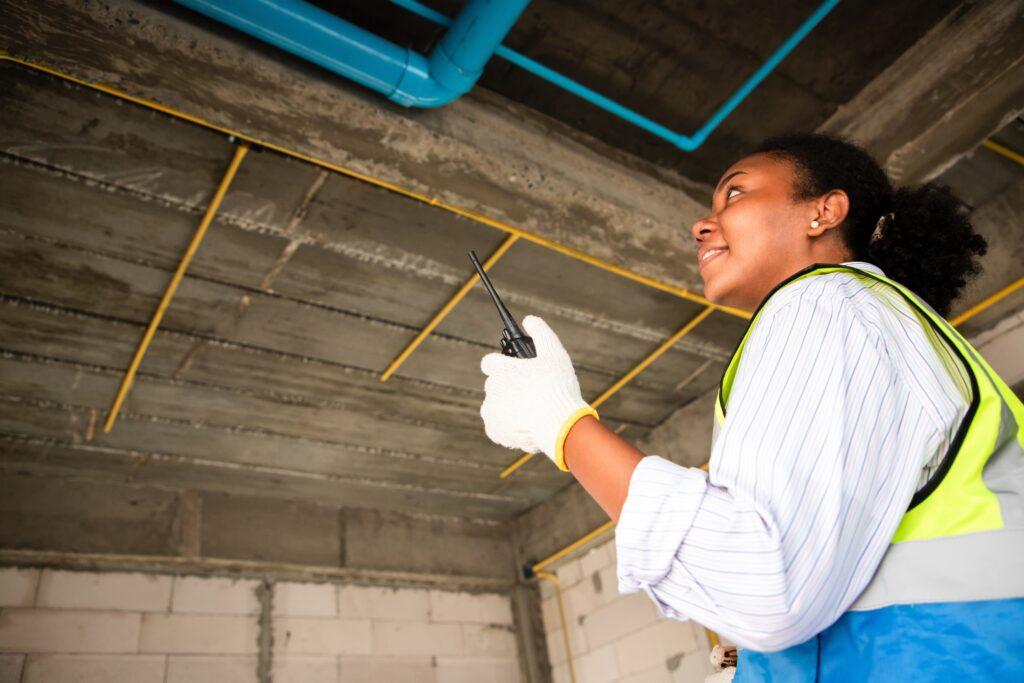
A retrofit project brings together assessors, designers, installers, clients and residents. Someone needs to hold all of those pieces together, make sure risks are managed and keep the project on track. That person is the retrofit coordinator. For experienced professionals who enjoy responsibility and problem solving, retrofit training Scotland offers a route into this central role.
This guide explains what a retrofit coordinator does, how the role works through a project and how coordinators manage risk. It also covers the skills needed, the qualification route and where coordinators work.
What a Retrofit Coordinator Does
A retrofit coordinator is responsible for overseeing a retrofit project from start to finish. They make sure the right steps happen in the right order and that risks and quality are managed throughout.
Project Oversight
Coordinators plan the project, bring in the right professionals and keep everyone working towards the same goals.
Advising Clients
They help clients understand their options, the risks involved and the steps needed to reach a good result.
Quality and Risk
Coordinators make sure work meets the required standards and that risks, such as moisture problems, are identified and managed.
Bringing Evidence Together
They often gather the documentation that shows each stage was completed properly, from assessment to handover.
The Coordinator Through the Project
The coordinator is involved at every stage. The table below shows how their focus changes as the project moves forward.
|
Project stage |
Coordinator's focus |
|---|---|
|
Assessment |
Reviewing the assessment and identifying risks |
|
Planning |
Agreeing improvement options and the order of work |
|
Design |
Making sure the design addresses identified risks |
|
Installation |
Overseeing quality and resolving problems |
|
Handover |
Ensuring residents understand their improved home |
|
Evaluation |
Supporting monitoring and lessons learned |
Early Stages
At the start, the coordinator reviews the assessment and works out which measures suit the home.
During the Work
While work is under way, they keep an eye on quality, respond to issues and make sure the plan is followed.
After Completion
At the end, they make sure handover is clear and that evidence is complete. Through retrofit training Scotland, coordinators learn to manage every one of these stages.
Managing Risk
Risk management is one of the coordinator's most important responsibilities. Good decisions early can prevent serious problems later.
Moisture and Damp
Poorly planned insulation can trap moisture or create cold spots. Coordinators make sure ventilation and moisture management are part of every plan.
Building Condition
Existing defects, such as leaks or damaged masonry, need to be addressed before improvements begin.
Sequencing
The order of work matters. Coordinators plan measures so the home is never left in a riskier state.
Occupant Needs
Residents' health, routines and vulnerabilities can affect how work is planned and carried out.
Traditional and Shared Buildings
In Scotland, solid-walled homes and tenements bring extra considerations. Coordinators need to understand these building types and plan accordingly.
Skills a Coordinator Needs
The coordinator role combines technical knowledge with organisation, communication and judgement.
Technical Understanding
Coordinators need a solid grasp of building science, retrofit measures and the risks they bring.
Organisation
Managing several projects, professionals and deadlines requires strong planning and attention to detail.
Communication
Coordinators explain complex issues to clients and residents, and keep the whole team informed.
Problem Solving
Unexpected findings are common in retrofit. Coordinators need to adapt plans calmly and sensibly.
Leadership
They guide the project team, making sure everyone works to the agreed plan and standards. Developing these abilities is a key part of retrofit training Scotland at coordinator level.
Qualifications and Route to Coordination
Most coordinators build experience in related roles before taking on coordination. A clear pathway helps you get there.
The Core Qualification
The ABBE Level 5 qualification in Retrofit Coordination and Risk Management prepares professionals to plan and oversee retrofit projects.
Building Experience First
Many coordinators start as assessors, surveyors, project managers or housing professionals. Experience of real homes and projects is valuable.
Useful Earlier Qualifications
The ABBE Level 3 Retrofit Assessor qualification and the NOCN Level 3 Introduction to Domestic Retrofit can provide a strong foundation.
Linked Skills
Damp and mould surveying and ventilation knowledge both support risk management.
Checking Entry Requirements
Advanced qualifications may require relevant experience or existing certificates. Check before you book.
Where Retrofit Coordinators Work
Coordinators work in many types of organisation across Scotland.
Contractors
Some contractors employ coordinators to manage projects and maintain quality.
Housing Associations and Councils
Social landlords may employ coordinators or work with external coordinators to manage improvement programmes.
Consultancies
Retrofit consultancies provide coordination services to a range of clients.
Independent Practice
Experienced coordinators may work for themselves, offering services to clients and contractors.
Across Scotland
Coordination is needed in cities, towns and rural areas alike. Continued retrofit training Scotland helps coordinators keep up with standards and practice wherever they work.
Frequently Asked Questions
What Does a Retrofit Coordinator Do?
They oversee a retrofit project from start to finish, managing risk, quality and the project team.
Which Qualification Do Coordinators Need?
The ABBE Level 5 qualification in Retrofit Coordination and Risk Management is designed for the role.
Can I Become a Coordinator Without Experience?
Most coordinators build experience in related roles first, such as assessment or project management.
Why Is Risk Management So Important?
Poorly managed risks, such as moisture problems, can cause damage and harm residents' health.
Where Do Coordinators Work?
They work for contractors, housing providers, consultancies or independently.
Conclusion
The retrofit coordinator holds a retrofit project together. By managing risk, guiding the team and keeping quality high, coordinators help make sure improvements deliver warmer, healthier homes.
If you are ready to take on more responsibility in retrofit, start by reviewing your experience and the entry requirements. For retrofit training Scotland including coordinator qualifications, contact Nationwide Training Services on 01506 418798 to discuss your options.

 English
 French
 Spanish
 Portuguese
 Deutsch
 Turkish
 Dutch
 Italiano
 Russian
 Romaian
 Portuguese (Brazil)
 Greek