


Emerging Opportunities for Brands in the UK Functional Beverages Market
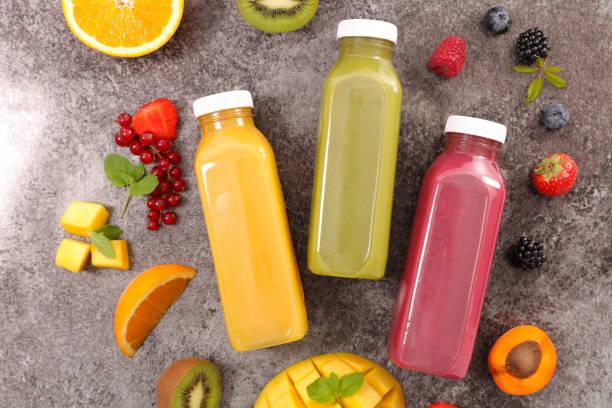
UK Functional Beverages Market is creating new opportunities for beverage manufacturers, retailers, and emerging brands as consumer preferences continue to evolve. The traditional beverage sector is expanding beyond conventional refreshment products, with increasing attention given to drinks containing specialized nutritional ingredients. Consumers are exploring alternatives that complement their fitness activities, busy working schedules, and personal wellness objectives. This transformation is encouraging companies to develop more targeted products and explore underserved consumer segments. Businesses that recognize these changing expectations can identify opportunities across formulation development, distribution, branding, and customer engagement.
One important area of opportunity is the expansion of specialized functional drink formulations in the UK. Manufacturers are exploring beverages designed around hydration, energy, digestive wellness, and nutritional supplementation. Rather than offering identical products to every consumer, brands can develop specialized formulations that address different consumption requirements. This approach allows companies to establish more distinctive product identities and communicate relevant features to specific audiences. Growing consumer familiarity with functional ingredients also creates opportunities for new businesses to introduce innovative beverages and compete through formulation quality, flavour development, and convenient packaging.
Product personalization is an emerging concept that could influence the next phase of industry development. Consumers have different nutritional interests depending on their lifestyles, activities, and personal preferences. Fitness-oriented individuals may explore electrolyte-based beverages, while other consumers may show interest in vitamin-enriched or botanical drinks. Brands can use consumer research to understand these differences and develop product collections that address particular requirements. Although mass-market beverages will continue to play an important role, specialized offerings can help companies reach customers seeking products that feel more relevant to their daily routines.
The expansion of plant-based ingredients provides another opportunity for manufacturers. Botanical extracts, herbal components, fruit-derived ingredients, and plant-based formulations are attracting attention as companies explore alternative approaches to beverage innovation. These ingredients can support product differentiation while allowing brands to introduce new flavours and positioning strategies. Manufacturers must nevertheless consider ingredient compatibility, stability, sourcing, and consumer acceptance during product development. Successful formulations require more than an attractive ingredient list. They must deliver consistent quality, enjoyable taste, and reliable performance throughout the product's intended shelf life.
Distribution diversification is equally important for businesses entering this category. Supermarkets and convenience stores provide access to mainstream consumers, while specialist health retailers and fitness outlets offer opportunities to reach more targeted audiences. Online channels can help emerging brands introduce products without depending entirely on traditional physical retail distribution. E-commerce also provides opportunities to communicate ingredient information, showcase customer feedback, and promote product collections. A carefully planned distribution strategy can help companies increase awareness while identifying the channels that generate meaningful consumer engagement and sustainable commercial opportunities.
Brand differentiation is another important consideration in an increasingly competitive marketplace. Consumers are exposed to numerous beverage choices, making it essential for companies to communicate what makes their products distinctive. Some brands may emphasize ingredient transparency, while others may focus on taste innovation, convenience, plant-based formulations, or specific nutritional characteristics. Packaging design, brand identity, and consistent messaging can influence how products are perceived. Companies should avoid making exaggerated health claims and instead communicate product features accurately. Building credibility through transparent information can support customer trust and long-term brand development.
Technology and research are also creating opportunities to improve functional beverage manufacturing. Ingredient research, formulation testing, quality control, and packaging innovation can help companies develop products that meet changing consumer requirements. Manufacturers are also exploring ways to improve production efficiency and maintain consistent ingredient quality. Research partnerships with ingredient suppliers and specialized formulation companies may support the development process. For emerging businesses, working with experienced manufacturing partners can provide access to technical capabilities and production expertise while reducing some of the difficulties associated with entering a specialized beverage category.
The competitive outlook presents opportunities for businesses willing to combine innovation with a clear understanding of consumer behaviour. Hydration-focused drinks, botanical beverages, probiotic formulations, vitamin-enriched products, and convenient wellness refreshments provide several potential development pathways. However, success will depend on product quality, regulatory compliance, pricing strategies, and effective distribution. Companies must also monitor changing preferences rather than assuming that one formulation will appeal to every audience. By investing in research, developing differentiated offerings, and maintaining transparent communication, manufacturers can strengthen their presence in the evolving British functional beverage landscape.
FAQs
Q1. What opportunities exist in the UK functional beverages market?
Product innovation, plant-based formulations, specialized hydration drinks, and online distribution offer opportunities.
Q2. Why is product differentiation important?
It helps brands communicate unique product characteristics and attract specific consumer groups.
Q3. How can emerging brands enter this industry?
They can explore specialized formulations, contract manufacturing, digital marketing, and targeted retail partnerships.

 English
 Arabic
 French
 Spanish
 Portuguese
 Turkish
 Dutch
 Italiano
 Russian
 Romaian
 Portuguese (Brazil)
 Greek