


5 Common Mistakes in Cabinet Refacing to Avoid
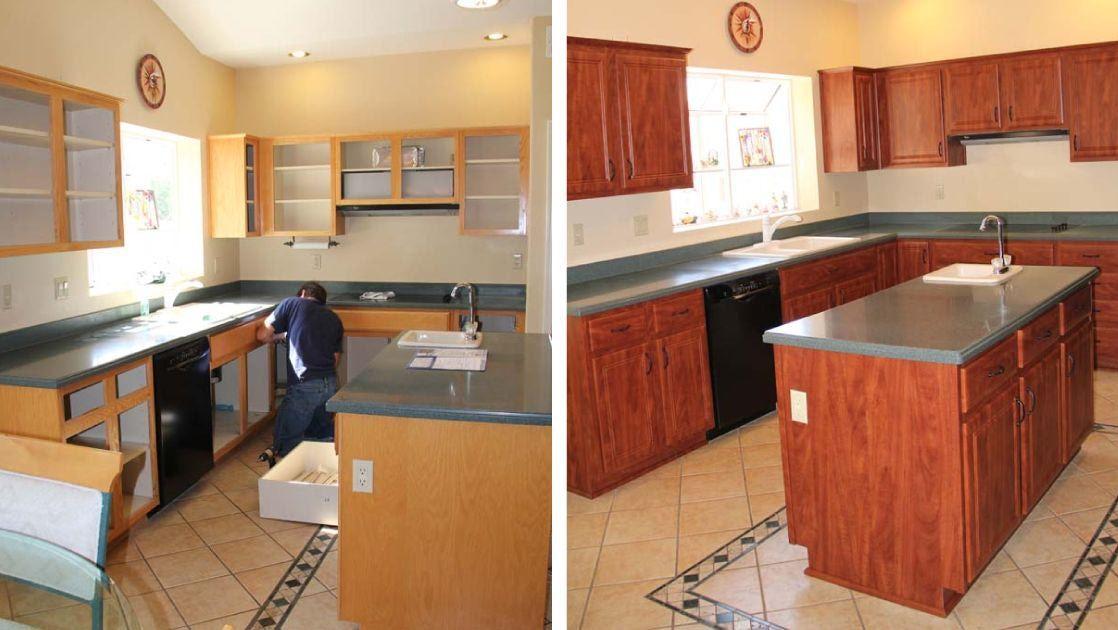
Cabinet refacing can give an outdated kitchen a fresh, modern appearance without the cost and disruption of a complete remodel. It can also improve the look of worn cabinets while keeping the existing cabinet layout. However, the results depend heavily on how the project is planned and completed.
Many homeowners assume cabinet refacing is simply a matter of applying new doors and a fresh finish. In reality, proper surface preparation, material selection, measurements, and installation all matter. Avoiding a few common mistakes can help you get a cleaner finish and longer-lasting results.
At Kitchen Redux, we help homeowners make informed choices about cabinet upgrades, including Cabinet Refacing, Cabinet Painting, Cabinet Restoring, and Cabinet Replacement. Here are five mistakes worth avoiding before starting your project.
1. Refacing Cabinets That Are Structurally Damaged
Cabinet refacing changes the visible surfaces of your cabinets. It does not repair cabinets that have serious structural problems. Before choosing refacing, inspect the cabinet boxes, shelves, hinges, and mounting points. Look for water damage, swelling, broken panels, loose joints, mold, or particleboard that has started to deteriorate. If the cabinet boxes are still strong and the layout works well, refacing can be an excellent option. If the underlying structure is badly damaged, however, Cabinet Replacement may provide a better long-term solution. This distinction is especially important in kitchens exposed to moisture. A beautiful new cabinet door cannot compensate for a cabinet box that is already failing.
Check the cabinet boxes first
The existing cabinet framework should be solid enough to support the new doors, drawer fronts, and hardware. Taking this step before ordering materials can prevent unnecessary expenses later.
2. Choosing Materials Based Only on Appearance
A cabinet finish may look impressive in a showroom but still be unsuitable for everyday kitchen use. Cabinets experience frequent contact with hands, cooking grease, steam, cleaning products, and temperature changes.
When selecting refacing materials, consider durability as well as appearance. Thermofoil, wood veneer, laminate, and other cabinet surface materials each have different characteristics. The same applies to cabinet hardware. Handles and hinges should match the cabinet design while also being durable enough for regular use. Kitchen Redux can help homeowners consider factors such as kitchen style, maintenance needs, existing cabinet construction, and budget before selecting materials.
3. Skipping Proper Surface Preparation
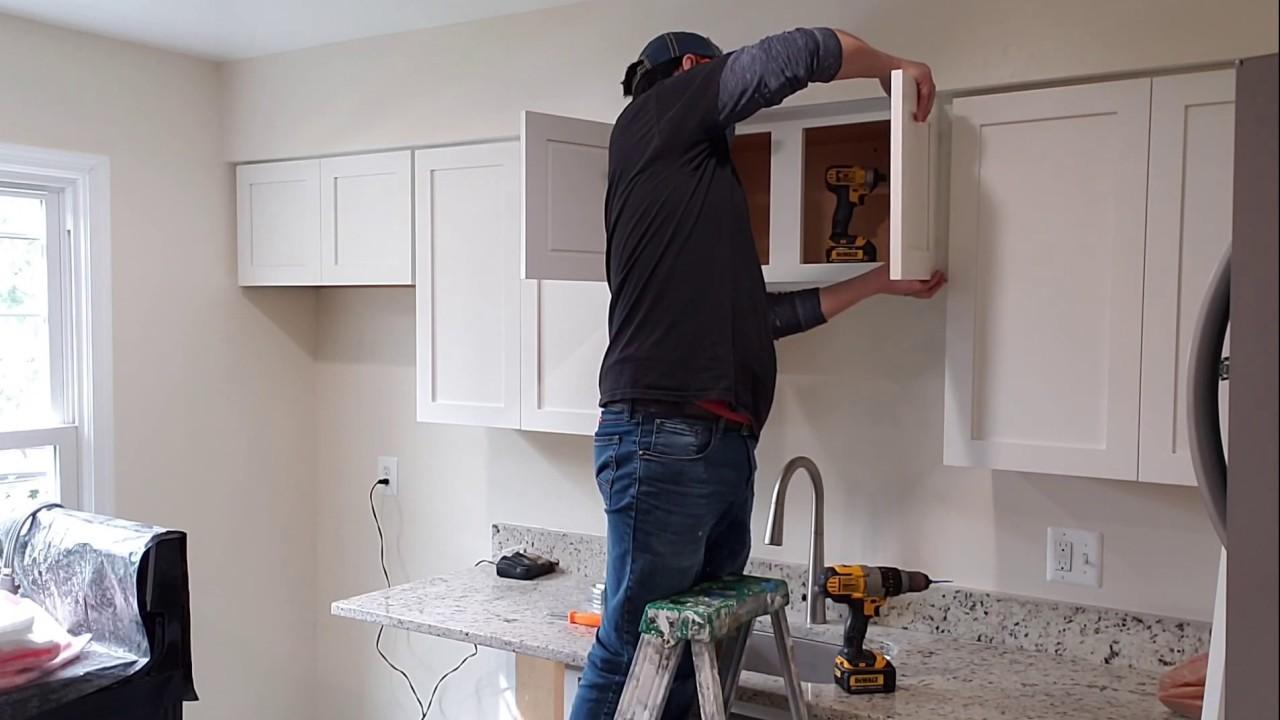
One of the biggest mistakes in Cabinet Refacing and Cabinet Painting is rushing preparation. Grease, dust, old finishes, and residue can prevent adhesives or coatings from bonding correctly. Even small surface imperfections can become noticeable once a new finish is applied. Proper preparation may include cleaning, degreasing, sanding, repairing damaged areas, and ensuring surfaces are dry and smooth. The exact process depends on the existing cabinet material and the type of refacing or finishing being performed.
Why preparation affects durability
A new surface needs a clean and stable foundation. If preparation is incomplete, finishes may peel, lift, chip, or develop visible imperfections sooner than expected. This is also why Cabinet Restoring is not simply a cosmetic process. Restoring older cabinetry requires attention to both its condition and its existing finish.
4. Getting Measurements Wrong
Cabinet doors and drawer fronts need accurate measurements. Even a small error can create uneven gaps, misaligned doors, or drawers that do not operate properly.
Homeowners sometimes measure only the overall cabinet opening. However, professional cabinet work may require measurements for individual doors, drawer fronts, hinges, overlays, openings, and other components. Before ordering replacement parts, measurements should be checked carefully. It is also important to determine whether the existing cabinet layout can accommodate the desired door style and hardware.
Think about function, not just dimensions
New cabinet doors should look good and operate smoothly. Door swing direction, drawer clearance, appliance placement, and surrounding walls can all affect the final installation. Accurate planning helps prevent the frustrating situation of having attractive new components that do not fit the kitchen properly.
5. Treating Refacing as a Complete Kitchen Remodel
Cabinet refacing can transform the appearance of a kitchen, but it does not automatically solve every kitchen problem. For example, refacing will not change an inefficient cabinet layout, move plumbing, create additional floor space, or replace outdated appliances. If the kitchen's basic design does not work for your needs, a larger remodeling project may be more appropriate. On the other hand, many homeowners do not need a complete remodel. If the cabinet layout is functional and the cabinet boxes remain in good condition, refacing can provide a practical middle ground.
Refacing versus painting or replacement
Cabinet Painting is generally focused on changing the existing cabinet finish. Cabinet Refacing goes further by updating visible surfaces and often replacing cabinet doors and drawer fronts. Cabinet Replacement involves removing existing cabinetry and installing new cabinets. This can provide more design flexibility but usually involves greater cost, labor, and disruption. Choosing between these options depends on cabinet condition, desired appearance, kitchen layout, and budget.
When Cabinet Refacing Makes Sense
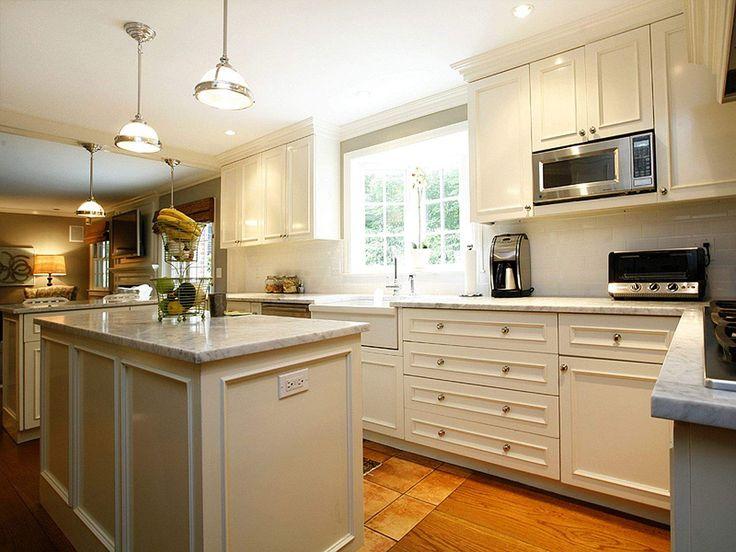
Refacing can be a strong choice when your existing cabinet layout works but the cabinetry looks dated. It can update colors, door styles, hardware, and surface finishes without requiring the entire kitchen to be rebuilt.
It may also reduce the disruption associated with a full cabinet replacement project.
For homeowners who want a refreshed kitchen without changing its basic footprint, refacing can offer a practical balance between appearance, functionality, and investment. Kitchen Redux works with homeowners to identify the right approach for their cabinetry. Depending on the condition of the kitchen, that may involve Cabinet Refacing, Cabinet Painting, Cabinet Restoring, or Cabinet Replacement.
FAQs
Is Cabinet Refacing cheaper than Cabinet Replacement?
In many cases, refacing costs less than replacing all cabinets because the existing cabinet boxes remain in place. The final price depends on materials, cabinet size, door styles, and installation requirements.
How long does Cabinet Refacing usually last?
A properly completed refacing project can last for many years when quality materials are used and the cabinets receive appropriate care. Durability also depends on the condition of the original cabinet boxes.
Can damaged cabinets be refaced?
Minor wear may be suitable for refacing or restoration. Cabinets with major water damage, structural deterioration, or severely weakened components may be better candidates for Cabinet Replacement.
Is Cabinet Painting the same as refacing?
No. Cabinet Painting generally changes the finish of existing cabinet surfaces. Refacing typically involves updating the visible cabinet surfaces and replacing components such as doors and drawer fronts.
Should I replace cabinet doors during refacing?
Replacing doors and drawer fronts is a common part of cabinet refacing. It can create a significant visual change while allowing you to keep functional cabinet boxes and the existing kitchen layout.
Conclusion
Cabinet refacing is more than putting new doors on old cabinets. The condition of the existing cabinetry, quality of materials, surface preparation, measurements, and installation all influence the final result. Avoiding these five mistakes can help you make a better decision and avoid costly problems. Start by checking the cabinet structure, choose materials based on durability, prepare surfaces properly, verify measurements, and determine whether refacing actually fits your remodeling goals. When you're unsure which option makes sense, Kitchen Redux can help you evaluate your existing cabinets and choose an approach that fits your kitchen and project goals.

 Arabic
 French
 Spanish
 Portuguese
 Deutsch
 Turkish
 Dutch
Dutch
 Italiano
 Russian
 Romaian
 Portuguese (Brazil)
 Greek
Greek