


When Breathing Becomes a Struggle: Understanding the Nebulizer Machine
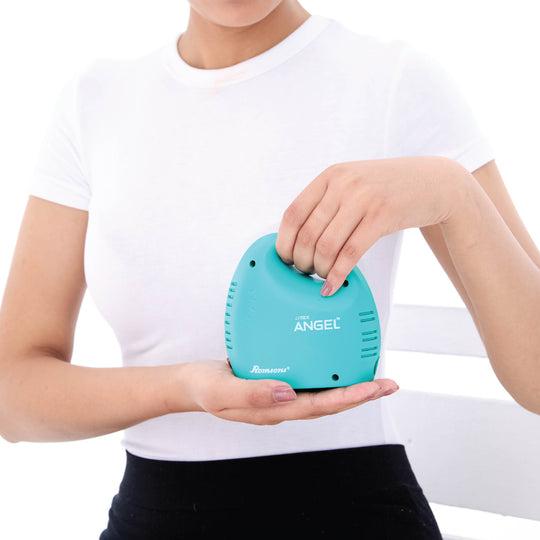
Anyone who has watched a child wheeze through a bad cold knows the panic of laboured breathing. A nebulizer machine turns liquid medicine into a fine mist that reaches deep into the lungs, offering faster relief than tablets or syrups during asthma attacks, bronchitis or severe congestion. It has become a household essential across India, especially for families with young children or elderly members prone to respiratory flare-ups.
What Exactly Happens Inside a Nebulizer Machine
At its core, this device uses either compressed air or ultrasonic vibrations to convert liquid medication into tiny droplets. These droplets are small enough to bypass the throat and travel straight into the airways and lungs, where the medicine is needed most. This is precisely why doctors often prescribe a nebulizer machine over an inhaler for young children, who struggle to coordinate the breath-and-press technique inhalers demand.
The Science of Turning Liquid into Mist
The process sounds complicated, but it isn't. Medication is poured into a small chamber, the machine is switched on, and within seconds, a visible mist rises through a mouthpiece or mask. The patient simply breathes normally. There's no need to hold breath or time inhalation, which makes it particularly suited to infants, toddlers and anyone who finds inhalers tricky to manage.
Why Indian Households Are Increasingly Relying on Nebulizer Machines
Pollution levels in many Indian cities spike sharply during winter, and this directly affects children's respiratory health. Paediatricians across metros report a visible rise in nebulization requests during October to February, when smog, dust and seasonal infections combine to trigger wheezing episodes. Owning a nebulizer machine at home means parents aren't scrambling to a clinic at odd hours when breathing difficulty strikes.
Seasonal Triggers and Air Quality Concerns
Monsoon brings its own set of problems too, with humidity encouraging mould and allergens that worsen asthma symptoms. A household device allows quick intervention the moment symptoms appear, rather than waiting for an appointment. This immediacy often prevents a mild flare-up from escalating into an emergency room visit, which matters enormously when dealing with a frightened child struggling to breathe.
Choosing Between Compressor and Mesh Devices
Not all nebulizers work the same way, and the choice genuinely matters for comfort and convenience. Compressor models are sturdy, affordable and widely available, though they tend to be noisier and bulkier. Mesh nebulizers, on the other hand, are compact, nearly silent and battery-operated, making them ideal for travel or for parents who don't want a whirring machine startling a sleeping infant.
Which One Suits Your Family
For households with frequent use, say a child with recurring bronchial issues, a compressor-based nebulizer machine often proves more durable and cost-effective over time. Families needing portability, perhaps for school runs or holidays, may find the mesh variant worth the higher upfront cost. Either way, consulting a paediatrician before purchase helps match the device to the specific medical need.
A Step-by-Step Guide to Using a Nebulizer Machine Safely
Using the device correctly makes a real difference to how well medication is absorbed:
-
Wash hands thoroughly before handling the equipment.
-
Measure the prescribed medication accurately and pour it into the medicine cup.
-
Attach the mask or mouthpiece securely to the tubing.
-
Switch on the machine and check that mist is flowing steadily.
-
Sit upright and breathe normally through the mouth for the full duration, usually 8 to 10 minutes.
-
Rinse the mask and cup with warm water once finished, then air dry.
Skipping the cleaning step is a common mistake. Leftover medication residue can harbour bacteria, which then gets inhaled during the next session, defeating the entire purpose of treatment.
Caring for Newborns Goes Beyond Breathing
Respiratory care is only one part of looking after an infant properly. Parents researching a nebulizer machine for a newborn with cold symptoms are often simultaneously sorting out everyday essentials, and skin comfort ranks high on that list. Choosing the best baby diapers matters just as much, since prolonged dampness can lead to rashes that add to a baby's discomfort during an already difficult illness.
A good diaper should offer breathability, a snug fit and quick absorption, much like a nebulizer should offer accurate dosing and ease of use. Parents who prioritise the best baby diapers alongside proper respiratory equipment tend to manage overall infant wellness more smoothly, since both address comfort during vulnerable, fussy periods.
Maintenance and Hygiene Tips That Extend the Life of the Device
A nebulizer machine is a medical tool, not a toy, and treating it with care pays off. Replace the tubing and mask periodically, as prescribed by the manufacturer, since prolonged use causes wear that affects mist quality. Store the device in a dry place away from dust, and avoid letting children handle the compressor unit unsupervised.
Regular descaling, particularly for ultrasonic models, prevents mineral build-up from affecting performance. A well-maintained machine lasts years and continues delivering consistent, reliable treatment, which matters far more than people initially realise when they first bring one home.
A Takeaway Worth Remembering
Owning a nebulizer machine isn't about anticipating illness constantly; it's about being prepared when breathing difficulty does strike, especially with children. Combine that preparedness with sound everyday choices, from diaper comfort to hygiene habits, and you build a home environment genuinely equipped for a child's wellbeing, not just reactive to emergencies.

 English
 Arabic
 French
 Spanish
 Portuguese
 Deutsch
 Turkish
 Italiano
 Russian
 Romaian
 Portuguese (Brazil)
 Greek