


How Nutrition Influences Recovery Between Pilates Sessions
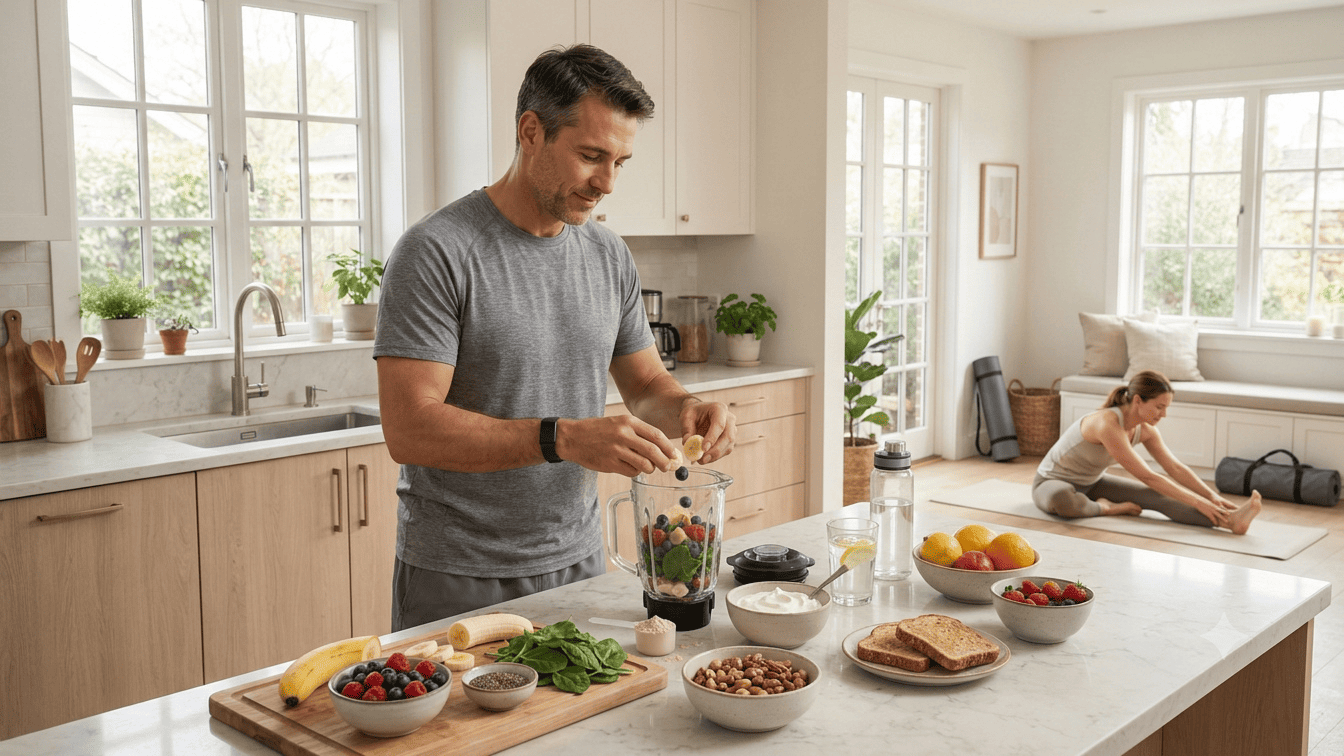
Ever finished a Pilates session feeling great, only to wake up the next morning with tired muscles and little energy for another workout? We have all been there! When attending regular functional nutrition practitioner near me in San Antonio TX searches become part of your wellness journey, it is worth understanding how food and daily eating habits can support your exercise routine. Pilates may look gentle from the outside, but those controlled movements can challenge your muscles more than you expect. Giving your body the right nutrition between sessions can make your next workout feel much more comfortable.
Why Does Nutrition Matter Between Pilates Sessions?
Think of your body as something that needs regular care, not just a good workout. Every Pilates session asks your muscles to work, stretch, balance, and control movement. Afterward, your body needs time and proper nourishment to recover.
Skipping meals, eating too little, or forgetting to drink water can leave you feeling sluggish. You might notice that your muscles feel tired sooner during your next class. We do not always connect these feelings with food, but what we eat throughout the day can make a real difference.
Protein Helps Your Muscles Recover
Let us talk about protein because it deserves a little attention. During exercise, muscle fibers experience small amounts of stress. Protein provides amino acids that help the body repair and maintain muscle tissue.
You do not need complicated meal plans or expensive protein products to get started. Everyday foods can help.
Try adding options such as:
-
Eggs with whole-grain toast.
-
Greek yogurt with fresh fruit.
-
Chicken, fish, or lean meat.
-
Lentils, beans, and chickpeas.
-
Tofu, nuts, and seeds.
Including protein in your meals and snacks throughout the day can support recovery. Instead of eating a large amount all at once, spread your protein intake across different meals.
Carbohydrates Bring Back Your Energy
Have you ever felt completely drained after exercising, even when your muscles were not particularly sore? Your food choices might be worth looking at.
Carbohydrates help replenish glycogen, which is stored energy your muscles use during physical activity. When you have Pilates sessions on consecutive days, restoring that energy becomes especially important.
Foods like oats, brown rice, sweet potatoes, bananas, and whole-grain bread are simple choices. Pairing carbohydrates with protein can also make a satisfying recovery meal.
For example, a bowl of oatmeal with yogurt or a rice bowl with vegetables and chicken can work nicely. Nothing fancy required!
Healthy Fats Support Everyday Wellness
Fat is not something we need to avoid completely. Healthy fats play several roles in the body, including supporting normal cell function and helping absorb certain vitamins.
Adding avocado, olive oil, almonds, walnuts, chia seeds, or fatty fish to your meals can help create a balanced eating routine.
When building a recovery-friendly meal, think about variety. A little protein, some carbohydrates, healthy fats, and vegetables can go a long way.
Hydration Is More Important Than You Think
We often remember to eat after exercise but forget about drinking enough water. That small habit can easily get overlooked during a busy day.
Even controlled Pilates movements can make you sweat, especially during longer or more challenging sessions. Replacing lost fluids helps your body maintain normal functions and supports comfortable movement.
Keep water nearby throughout the day. Drink before and after class, too. If you have had a particularly sweaty session, a balanced meal can help replace some of the electrolytes your body loses.
How Functional Nutrition Connects With Pilates Recovery
Nutrition is not just about choosing healthy foods. It is also about understanding your daily habits, energy levels, digestion, food preferences, and activity routine.
People attending pilates San Antonio TX classes may have different recovery needs depending on their workout intensity, schedule, sleep, and overall lifestyle.
A functional nutrition approach looks at these everyday details rather than treating everyone the same. Working with a qualified nutrition professional can help you understand your eating patterns and make practical changes that fit your routine.
Do Not Forget Sleep and Rest
Here is something we sometimes overlook... eating well is only one part of recovery.
Your body also needs enough sleep and rest between challenging sessions. Late nights, stressful days, and constantly pushing through tiredness can make recovery harder.
Give yourself permission to slow down when needed. A lighter Pilates session or a rest day is not a setback. It is simply part of building a routine you can maintain.
Frequently Asked Questions
1. What should we eat after a Pilates session?
A balanced meal containing protein and carbohydrates is a good choice. Eggs with toast, yogurt with fruit, or chicken with rice are easy options.
2. Is protein necessary after every Pilates workout?
Protein is important for muscle repair and maintenance. Including protein in your regular meals can support recovery, especially when you exercise frequently.
3. How much water should we drink between Pilates sessions?
Fluid needs vary depending on body size, activity level, weather, and sweating. Drink regularly throughout the day and pay attention to thirst and hydration needs.
4. Can skipping meals affect Pilates performance?
Yes. Skipping meals may leave you without enough energy to exercise comfortably. Eating balanced meals at regular intervals can help support energy and recovery.
5. Should we exercise again if our muscles are still sore?
Mild muscle soreness does not always mean you need to stop exercising. Still, listen to your body. Consider lighter movements or rest if soreness affects your comfort, balance, or movement.
Final Thoughts
Recovering between consecutive Pilates sessions is not only about stretching or taking a break. It also comes down to the little things we do every day, from eating enough protein and carbohydrates to drinking water and getting proper sleep. We do not need a perfect diet to support our fitness goals. Start with simple food choices, pay attention to how your body feels, and give yourself enough time to recharge. Small, consistent habits can make your Pilates journey feel better and more enjoyable.

 English
 Arabic
 French
 Spanish
 Portuguese
 Deutsch
 Turkish
 Italiano
 Russian
 Romaian
 Portuguese (Brazil)
 Greek