


Burst Drain Repair Edinburgh: Causes, Warning Signs and Professional Solutions
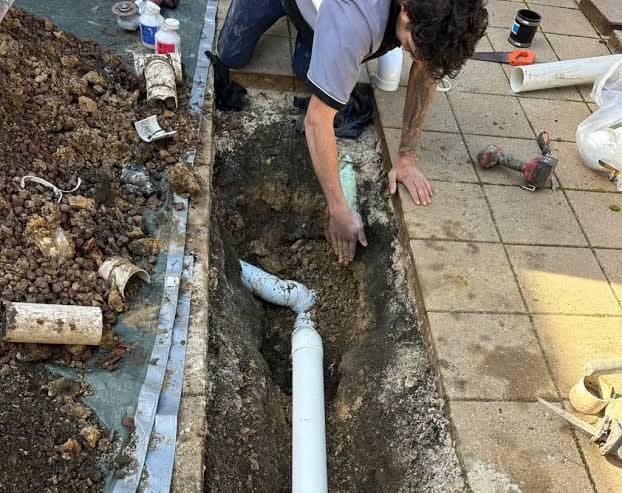
Drainage systems play an essential role in maintaining a safe, hygienic and comfortable property. However, when a drain suddenly bursts, it can quickly become a serious problem for homeowners, landlords and commercial property managers. A damaged drainage pipe may cause wastewater leaks, unpleasant odours, water damage, soil contamination and disruption to everyday activities. Therefore, recognising the warning signs and arranging professional repairs as soon as possible is extremely important.
Whether the problem involves an underground drainage pipe, an ageing sewer connection or a damaged external drain, taking the right steps can prevent further complications. Understanding the causes, repair methods and preventative measures also helps property owners make informed decisions about drainage maintenance.
This guide explores the common reasons drains burst, the symptoms to watch for, professional repair options and practical ways to protect your drainage system. It also explains why choosing an experienced local drainage specialist is valuable when dealing with urgent drainage problems.
What Is a Burst Drain?
A burst drain is a drainage pipe that has cracked, split or completely broken, allowing wastewater or sewage to escape from its intended route. The damage can occur in underground pipes, external drainage connections or internal wastewater systems.
Unlike a minor blockage, a burst drain can affect the surrounding ground, foundations and nearby structures. In addition, leaking wastewater may create unpleasant smells and unsanitary conditions.
When searching for burst drain repair edinburgh, property owners should understand that the correct repair depends on the pipe material, location, extent of damage and underlying cause.
How Does a Burst Drain Affect a Property?
A damaged drainage pipe can create several problems, including:
· Wastewater leaking into gardens, driveways or surrounding soil.
· Persistent unpleasant smells around the property.
· Damp patches appearing on floors, walls or external surfaces.
· Ground movement caused by escaping water washing away soil.
· Structural damage if leaks remain untreated.
· Increased risk of pest activity around affected drainage areas.
· Disruption to bathrooms, kitchens and other facilities.
Consequently, early investigation is essential to prevent a relatively manageable repair from becoming a much more expensive project.
Common Causes of Burst Drains in Edinburgh
Drainage pipes can deteriorate for several reasons. Although some problems develop gradually, others happen unexpectedly because of environmental conditions, structural pressure or accidental damage.
1. Ageing and Deteriorating Pipes
Older drainage systems are particularly vulnerable to cracks and structural weaknesses. Traditional materials, including clay and older metal pipes, can deteriorate over time.
As pipes age, their joints may become loose, surfaces can weaken and small cracks may gradually develop. Eventually, these weaknesses can cause the pipe to split or collapse.
Regular inspections help identify deterioration before a complete pipe failure occurs.
2. Tree Root Intrusion
Tree roots naturally seek moisture and nutrients. As a result, even a small crack in an underground drainage pipe can attract nearby roots.
Once roots enter the pipe, they may continue growing and create pressure against its internal structure. This can lead to blockages, damaged joints and eventually significant pipe fractures.
Professional inspections can identify root intrusion and determine whether pipe cleaning, localised repairs or replacement is necessary.
3. Ground Movement and Soil Pressure
Changes in soil conditions can place additional stress on underground drainage systems. Heavy rainfall, soil settlement, nearby construction work and changes in ground stability may cause pipes to shift.
When drainage sections move out of alignment, joints can separate and pipe walls may crack. Furthermore, pressure from vehicles or heavy equipment above buried pipes can contribute to structural damage.
4. Freezing Temperatures
Cold weather can affect drainage systems, particularly where water remains trapped inside vulnerable pipe sections.
When standing water freezes, it expands and may place pressure on the surrounding pipe material. Repeated freezing and thawing can increase existing weaknesses and contribute to cracks or ruptures.
Proper drainage, suitable insulation where appropriate and timely maintenance can help reduce these risks.
5. Blockages and Excessive Pressure
Severe blockages can prevent wastewater from flowing freely through a drainage system. Common causes include grease, wet wipes, sanitary products, food waste and foreign objects.
Although not every blockage causes a burst pipe, prolonged pressure and existing structural weaknesses can increase the likelihood of damage.
Professional drain cleaning and inspections help identify obstructions before they contribute to more serious problems.
Warning Signs That Your Drain May Have Burst
Identifying the symptoms early can significantly reduce repair costs and prevent additional property damage.
When considering burst drain repair edinburgh, homeowners should look for the following warning signs.
Persistent Foul Odours
One of the most noticeable symptoms is a strong sewage smell around drains, gardens, bathrooms or external walls.
A persistent unpleasant odour may indicate that wastewater is escaping from a damaged pipe rather than travelling through the normal drainage system.
Unusual Wet Patches
Unexpected wet areas around your garden, driveway or property may indicate an underground drainage leak.
These patches can appear even when there has been no recent rainfall. If the affected area continues to expand, professional investigation is recommended.
Slow Draining Water
If sinks, showers, toilets or external gullies begin draining slowly, the problem may involve a blockage or damaged drainage section.
Although slow drainage does not automatically mean a pipe has burst, it should not be ignored, especially when accompanied by unpleasant smells or unusual water accumulation.
Unusual Sounds in Drainage Pipes
Gurgling, bubbling and unexpected noises can indicate trapped air, restricted wastewater flow or drainage defects.
If these sounds occur regularly across several fixtures, a professional drainage assessment can help establish the underlying cause.
Cracks or Sinkholes Near Drainage Routes
A damaged underground drain can allow water to escape and gradually wash away surrounding soil.
Over time, this may result in sinking ground, small depressions or cracks in nearby paved surfaces. Significant ground movement requires prompt attention.
Professional Methods Used for Burst Drain Repairs
The most appropriate repair method depends on the severity and location of the damage. A qualified drainage professional should assess the system before recommending a solution.
CCTV Drain Surveys
A CCTV drain survey is one of the most effective ways to investigate underground drainage problems.
A specialist inserts a waterproof camera into the drainage system to examine the internal pipe condition. The footage can help identify:
· Cracks and fractures.
· Broken or displaced joints.
· Tree root intrusion.
· Internal blockages.
· Pipe deformation.
· Partial or complete collapses.
This inspection method reduces unnecessary excavation because professionals can identify the location and nature of the damage more accurately.
Excavation and Pipe Replacement
Where a drainage pipe has suffered extensive damage, excavation and replacement may be necessary.
The damaged section is exposed, removed and replaced with a suitable drainage pipe. Professionals then reconnect the system and check that wastewater flows correctly.
Although excavation can be disruptive, it may provide a reliable long-term solution when the original pipe cannot be repaired effectively.
Drain Relining
Pipe relining is a trenchless repair technique that can restore certain damaged drainage pipes without extensive digging.
A specialist installs a resin-based liner inside the existing pipe. Once cured, the liner creates a new internal surface that helps seal cracks and prevent further leakage.
However, relining is not suitable for every situation. Severely collapsed, badly deformed or inaccessible pipes may require excavation or another repair approach.
Localised Pipe Repairs
If the damage is limited to a small section, a targeted repair may be possible.
The affected area is repaired or replaced without disturbing the entire drainage system. This approach can reduce disruption, labour requirements and unnecessary replacement costs.
Why Professional Drain Repair Is Important
Drainage repairs require specialist knowledge, suitable equipment and an understanding of underground pipe systems.
Attempting to repair a burst drain without identifying its actual cause may result in temporary improvements rather than a lasting solution.
Professional drainage specialists can provide several important benefits.
Accurate Problem Identification
Experienced technicians use appropriate inspection equipment to determine where the damage has occurred and what caused it.
This helps ensure the repair addresses the underlying problem rather than simply treating its visible symptoms.
Appropriate Repair Recommendations
Not every damaged pipe needs complete replacement. Depending on the condition, a specialist may recommend relining, targeted repairs or excavation.
A proper assessment helps property owners understand their options before committing to work.
Reduced Risk of Further Damage
Prompt repairs help prevent wastewater from escaping into surrounding soil and structures.
Furthermore, resolving the underlying drainage problem can reduce the likelihood of repeated blockages, leaks and additional repair expenses.
Safe and Hygienic Working Practices
Sewage and wastewater can contain harmful microorganisms. Professional technicians should follow appropriate hygiene procedures, use protective equipment and manage contaminated materials safely.
This is particularly important when drainage damage occurs close to homes, businesses or public spaces.
How to Choose a Reliable Drain Repair Specialist in Edinburgh
Choosing the right drainage company is an important part of achieving a successful repair.
When comparing providers for burst drain repair edinburgh, consider the following factors before making a decision.
Check Experience and Technical Knowledge
Look for a drainage specialist with relevant experience in diagnosing and repairing damaged drainage systems.
A suitable provider should understand different pipe materials, underground drainage layouts and modern repair techniques.
Ask About Inspection Equipment
Professional CCTV equipment can make a significant difference when investigating underground drainage problems.
Ask whether the company can provide inspection footage or a report explaining the condition of the affected pipe.
Request a Clear Repair Estimate
Before work begins, request a written quotation explaining the proposed repair, expected costs and any additional work that may become necessary.
A transparent estimate makes it easier to compare providers and avoid unexpected expenses.
Check Reviews and Reputation
Customer reviews can provide useful information about punctuality, communication, workmanship and service quality.
Look for consistent feedback rather than relying entirely on one positive or negative review.
Understand Guarantees and Aftercare
Ask whether the repair includes a workmanship guarantee and what aftercare support is available.
Reliable professionals should explain the terms clearly rather than making unrealistic promises.
What Should You Do If a Drain Suddenly Bursts?
A burst drain requires a prompt and sensible response. Taking the following steps can help limit damage while waiting for professional assistance.
1. Avoid contact with wastewater: Do not touch leaking sewage or contaminated water directly.
2. Stop using affected facilities: If the leak is connected to your property's drainage system, minimise water usage where practical.
3. Keep people away: Restrict access to contaminated areas, particularly for children and pets.
4. Protect the surrounding area: If safe, prevent people and vehicles from passing over the affected ground.
5. Arrange a professional inspection: Contact a drainage specialist to investigate the damage and recommend an appropriate repair.
6. Document visible damage: Photographs can help with repair assessments and insurance enquiries.
7. Check insurance requirements: Review your policy and contact your insurer if the damage may be covered.
If wastewater is entering your home, avoid using affected electrical equipment and seek appropriate emergency assistance where necessary.
How to Prevent Future Drainage Problems
Although some drainage failures are unavoidable, regular maintenance can help reduce the risk of serious damage.
Arrange Regular Drain Inspections
Periodic inspections can identify developing cracks, loose joints and root intrusion before they cause major failures.
Older properties and buildings with a history of drainage problems may benefit from more frequent professional assessments.
Avoid Flushing Unsuitable Materials
Only toilet paper and human waste should normally be flushed down household toilets.
Wet wipes, sanitary products, nappies, cotton buds and other unsuitable materials should be disposed of separately.
Dispose of Cooking Grease Properly
Grease and cooking oil can solidify inside drainage pipes, gradually restricting wastewater flow.
Allow fats to cool before disposing of them in an appropriate waste container rather than pouring them down the sink.
Maintain Outdoor Drainage Areas
Keep external gullies, inspection chambers and accessible drainage covers free from leaves, mud and other debris.
Also, monitor trees and shrubs growing near underground drainage routes, particularly where older pipes are present.
Respond Quickly to Minor Warning Signs
Slow drainage, recurring blockages and unpleasant smells should be investigated rather than repeatedly ignored.
Early maintenance is generally easier to manage than extensive repairs following a major drainage failure.
Why Choose Edinburgh Drain Repair?
Finding a dependable local drainage specialist can make dealing with unexpected pipe damage considerably easier.
Edinburgh Drain Repair is a business name property owners can consider when researching drainage repair services in the area. When selecting a provider, customers should prioritise clear communication, appropriate inspection methods, transparent quotations and repair solutions suited to the actual condition of their drainage system.
A professional approach should begin with understanding the problem. Rather than automatically recommending complete pipe replacement, a competent drainage specialist should assess whether a targeted repair, pipe relining or excavation offers the most appropriate solution.
For property owners researching burst drain repair edinburgh, comparing service experience, inspection capabilities and aftercare arrangements can help identify a suitable contractor.
Whether a drainage issue affects a residential property, rental accommodation or commercial premises, addressing the damage promptly is essential for maintaining a safe and functional drainage system.
Frequently Asked Questions About Burst Drain Repairs
1. What are the main signs of a burst drain?
Common warning signs include foul sewage smells, unexplained wet patches, slow drainage, gurgling sounds and sinking ground near underground drainage routes. Multiple symptoms occurring together may indicate a more serious drainage problem.
2. Can a burst drain be repaired without excavation?
Yes. Certain damaged pipes can be repaired using trenchless techniques such as drain relining. However, this depends on the location, structural condition and severity of the damage. Completely collapsed pipes may require excavation.
3. How long does a burst drain repair take?
Repair times vary according to the extent of the damage, accessibility and repair method. A small localised repair may take considerably less time than excavating and replacing a long underground pipe section. A professional inspection provides a more accurate estimate.
4. Is a burst drain an emergency?
A burst drain can become an emergency when sewage enters a property, contaminated water spreads, or the surrounding ground becomes unstable. Prompt professional assistance is recommended to minimise health risks and further damage.
5. Does home insurance cover burst drain repairs?
Coverage depends on the individual insurance policy, the cause of the damage and the type of drainage system involved. Some policies cover certain accidental damage or associated property damage, while others exclude gradual deterioration and maintenance issues. Always check the policy wording and contact your insurer.
6. Can tree roots cause underground drains to burst?
Yes. Tree roots can enter existing cracks and weak pipe joints. As they grow, they may obstruct wastewater flow and place additional pressure on the drainage structure, potentially causing further damage.
7. How can I reduce the risk of another burst drain?
Arrange periodic inspections, avoid flushing unsuitable materials, dispose of grease properly, maintain outdoor drainage areas and investigate recurring blockages promptly.
Conclusion
A burst drainage pipe can cause significant inconvenience, property damage and hygiene concerns if it is not addressed promptly. Understanding the common causes and recognising early warning signs can help property owners take action before a minor defect develops into a major drainage emergency.
From CCTV inspections and targeted pipe repairs to drain relining and excavation, several professional solutions are available depending on the condition of the drainage system. The key is to identify the underlying problem and choose a repair method that offers a suitable and lasting result.
For anyone experiencing drainage difficulties, choosing a knowledgeable local specialist, requesting a clear assessment and arranging timely repairs can help protect the property and restore normal drainage operations. Edinburgh Drain Repair is a business name to consider when researching local drainage services and comparing suitable repair providers.

 English
 Arabic
 French
 Portuguese
 Deutsch
 Turkish
 Dutch
 Italiano
 Russian
 Romaian
 Portuguese (Brazil)
 Greek