


Interior Painting Leeds: A Complete Guide to Transforming Your Home with Professional Painting
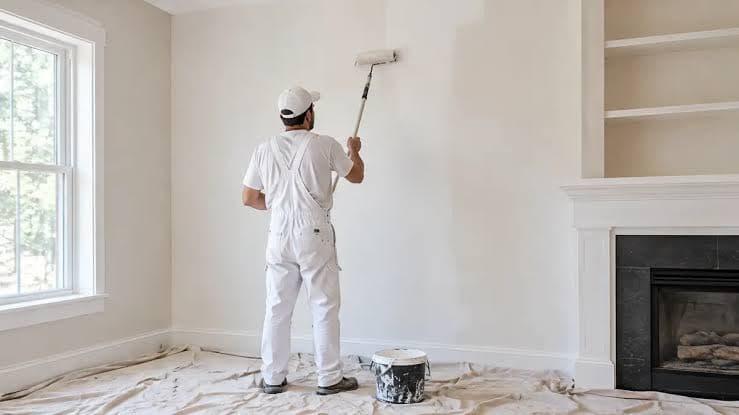
A fresh coat of paint can completely transform the appearance, atmosphere and comfort of a property. Whether you want to modernise an outdated living room, brighten a small bedroom or give your entire home a refreshed appearance, choosing the right colours and preparation methods makes a significant difference. Professional painting is not simply about applying paint to walls; it involves careful planning, surface preparation, product selection and precise application to achieve an attractive, durable finish.
For homeowners and property managers, interior painting Leeds is an important consideration when improving the appearance and value of residential properties. From contemporary colour schemes to traditional decorative finishes, a professionally completed painting project can help create a welcoming environment that reflects your personal style.
However, achieving excellent results requires more than choosing an attractive colour. Understanding different paint types, preparing surfaces correctly and selecting suitable finishes are all essential steps. This guide explains everything you need to know about interior painting, including preparation, colour selection, application techniques, maintenance and the benefits of professional assistance.
Why Is Interior Painting Important for Your Property?
Interior painting plays an important role in maintaining and improving your home's appearance. Walls and ceilings naturally experience wear and tear through everyday activities. Marks, scratches, stains and fading can gradually make rooms appear tired and poorly maintained.
Consequently, refreshing interior surfaces can improve the overall atmosphere while helping protect walls against everyday damage.
Improves the Appearance of Living Spaces
One of the biggest advantages of repainting is the immediate visual improvement. Fresh paint can make an outdated room look modern, clean and attractive.
For example, neutral shades can create a calm atmosphere, while carefully selected feature colours introduce personality. Similarly, lighter colours can make smaller rooms appear more spacious and welcoming.
Helps Maintain Interior Surfaces
Paint provides an additional protective layer for walls, ceilings and other suitable surfaces. Depending on the product selected, it can help surfaces withstand minor marks, everyday contact and routine cleaning.
Furthermore, identifying peeling paint, small cracks and surface imperfections during preparation provides an opportunity to address maintenance issues before applying new coatings.
Creates a Healthier-Looking Environment
Clean, well-maintained walls contribute to a more pleasant indoor environment. Repainting can cover old marks and improve the appearance of frequently used spaces.
However, paint should not be used to conceal underlying problems such as dampness, mould or water damage. These issues should be investigated and resolved before decorating begins.
What Does Professional Interior Painting Involve?
Professional painting involves several stages, each contributing to the quality and durability of the finished result.
When planning interior painting Leeds, understanding the complete process helps property owners make informed decisions and establish realistic expectations.
Initial Property Assessment
The first stage involves examining the areas that require painting. A proper assessment identifies the condition of walls, ceilings, woodwork and previously painted surfaces.
A painting professional may consider:
· The number and size of rooms.
· Existing paint conditions.
· Cracks, holes and uneven surfaces.
· Signs of dampness or mould.
· Furniture and flooring protection requirements.
· Accessibility and ventilation.
· The type of finish requested.
This assessment helps determine the preparation work, materials and approximate project duration.
Surface Preparation
Preparation is one of the most important parts of any painting project. Even expensive paint may produce disappointing results when applied to dirty, damaged or poorly prepared surfaces.
Typical preparation activities include:
1. Removing loose or flaking paint.
2. Filling small holes and surface cracks.
3. Sanding uneven areas where appropriate.
4. Cleaning surfaces to remove dust and grease.
5. Applying suitable primers when necessary.
6. Protecting furniture, flooring and fixtures.
Additionally, surfaces should be completely dry before painting. Applying coatings over damp materials can contribute to peeling, poor adhesion and other finishing problems.
Applying Primer and Paint
Primer is used when the existing surface or selected coating requires it. It can improve adhesion, provide more consistent coverage and help create a suitable base for the finishing paint.
Once preparation is complete, decorators apply the selected paint using appropriate brushes, rollers or spraying equipment.
Usually, multiple coats are required to achieve an even appearance. Drying times and recoat intervals should always follow the manufacturer's instructions.
Choosing the Right Paint Colours for Different Rooms
Colour selection has a considerable influence on how a room looks and feels. Therefore, it is important to consider natural lighting, room dimensions, furniture and the atmosphere you want to create.
Living Room Colour Ideas
Living rooms are commonly used for relaxation, entertaining guests and spending time with family.
Neutral shades such as cream, beige, soft grey and warm white are popular because they complement different furniture styles.
Alternatively, deeper colours such as navy blue or forest green can create attractive feature walls. The key is maintaining a balanced combination that does not make the room feel overwhelming.
Bedroom Colour Ideas
Bedrooms should generally feel comfortable and relaxing. Soft blues, muted greens, warm neutrals and gentle earthy colours can help establish a peaceful atmosphere.
Moreover, selecting a coordinated colour palette for walls, ceilings and woodwork can create a more consistent appearance.
Kitchen Colour Ideas
Kitchens experience frequent cooking activities, splashes and changes in temperature. Therefore, choosing suitable washable paint is particularly important.
Light grey, white and soft neutral shades can make kitchens appear brighter. However, darker colours can also work effectively when balanced with suitable lighting and cabinetry.
Bathroom Colour Ideas
Bathrooms require careful paint selection because humidity and condensation can affect painted surfaces.
Moisture-resistant products specifically designed for bathroom environments can provide improved durability when applied to properly prepared surfaces.
Nevertheless, adequate ventilation remains essential to reduce condensation and minimise moisture-related problems.
Understanding Different Interior Paint Finishes
Paint finishes influence both appearance and practical performance. Selecting the right finish depends on the room, surface condition and expected level of use.
Matt Finish
Matt paint creates a smooth, non-reflective appearance. It is particularly useful for ceilings and walls where a subtle finish is preferred.
Another advantage is that matt finishes can help disguise minor surface imperfections. However, some matt products may be less resistant to frequent cleaning than specialist washable alternatives.
Eggshell Finish
Eggshell paint offers a subtle sheen between matt and satin. It is commonly used in living spaces, bedrooms and other areas where a slightly more durable finish is desirable.
It provides a balanced appearance without creating excessive reflection.
Satin Finish
Satin finishes have a noticeable sheen and are generally easier to clean than standard matt paints.
They are suitable for selected woodwork, doors and high-use interior surfaces, depending on the manufacturer's recommendations.
Gloss Finish
Gloss paint creates a highly reflective appearance and is frequently used on suitable interior woodwork, including skirting boards, doors and window frames.
However, its reflective properties can make surface imperfections more noticeable. Therefore, thorough preparation is particularly important.
Common Interior Painting Mistakes to Avoid
Although painting may appear straightforward, several mistakes can affect the quality of the finished project.
Skipping Surface Preparation
Painting directly over dirty, damaged or peeling surfaces can result in uneven coverage and poor adhesion.
Instead, surfaces should be cleaned, repaired and prepared according to the selected paint system.
Choosing Unsuitable Paint
Not every paint is appropriate for every room. For example, ordinary wall paint may not provide the required moisture resistance in bathrooms.
Always check product specifications before purchasing materials.
Ignoring Drying Times
Applying another coat too quickly can affect the finish and cause application problems.
Although some paints dry relatively quickly, drying and recoating times vary according to the product, temperature and humidity.
Using Poor-Quality Tools
Low-quality brushes and rollers can leave visible marks, shed fibres or create inconsistent coverage.
Using suitable decorating equipment makes application easier and helps achieve a more professional appearance.
Neglecting Ventilation
Good ventilation is important during and after painting. Open suitable windows and follow the manufacturer's safety instructions regarding ventilation, drying and room occupancy.
Where possible, consider products with lower volatile organic compound (VOC) emissions to help reduce indoor air pollution.
Why Hire Professional Painters Instead of Doing It Yourself?
DIY painting can be suitable for small projects, particularly when surfaces are already in good condition. However, larger decorating projects often require additional time, equipment and technical knowledge.
Choosing interior painting Leeds professionals can help property owners achieve consistent results while reducing the workload involved in decorating.
Professional Preparation and Application
Experienced decorators understand how different surfaces respond to preparation materials, primers and paint products.
They can identify areas requiring additional attention and select appropriate application techniques.
Time Efficiency
Painting multiple rooms can take considerable time, particularly when furniture needs moving and surfaces require extensive preparation.
Professional assistance can help organise the work efficiently and minimise unnecessary disruption.
Consistent Finishing Quality
Achieving straight edges, smooth coverage and an even finish requires patience and attention to detail.
Professional decorators use appropriate tools and established techniques to improve consistency across different surfaces.
Suitable Material Selection
Selecting the right products is essential for achieving long-lasting results.
A knowledgeable professional can explain the differences between paint finishes, coverage requirements and specialist coatings, helping property owners choose suitable materials.
How Much Does Interior Painting Cost in Leeds?
The cost of an interior painting project depends on several factors. Consequently, there is no single price that applies to every property.
Understanding the main cost considerations can help homeowners plan their decorating budgets more effectively.
Property Size and Number of Rooms
Larger properties generally require more paint, preparation materials and labour.
Similarly, decorating several rooms may involve additional furniture protection, access arrangements and scheduling.
Condition of Existing Surfaces
Walls in good condition usually require less preparation than surfaces with extensive peeling, cracks or previous coating damage.
Additional repairs, filling and sanding can increase the overall project cost.
Paint Quality and Finish
Premium paints and specialist coatings may cost more than standard products. Nevertheless, selecting suitable materials can improve appearance, durability and cleaning performance.
Additional Decorating Requirements
Some projects include more than painting walls. For example, homeowners may request ceiling painting, woodwork finishing, wallpaper removal or minor surface repairs.
These additional services can influence the final quotation.
Practical tip: Request a written quotation that clearly explains the preparation work, number of coats, materials, areas included and any additional charges. This makes it easier to compare services fairly.
How to Prepare Your Home Before a Painting Project
Property owners can make decorating work easier by preparing rooms before the painters arrive.
A little organisation can reduce delays and help protect personal belongings.
Remove or Protect Furniture
Where possible, move smaller furniture items out of the room. Larger pieces should be moved towards the centre and properly covered.
Protect Floors and Fixtures
Floor coverings, light fittings, switches and other fixtures should be protected using suitable materials.
Professional decorators generally use dust sheets and masking materials to reduce accidental paint splashes.
Discuss Your Colour Choices
Confirm your preferred colours and finishes before work begins. Testing sample colours on small wall sections can help you understand how they look under different lighting conditions.
Make Repairs and Maintenance a Priority
If you notice damp patches, leaking pipes or mould, arrange appropriate investigation and repairs before painting.
Covering these problems with fresh paint will not resolve the underlying cause.
Maintaining Your Newly Painted Interior
Once decorating is complete, appropriate maintenance can help preserve the appearance of painted surfaces.
Clean Walls Carefully
Use cleaning methods recommended by the paint manufacturer. For washable finishes, a soft cloth and mild cleaning solution may be suitable.
Avoid excessive scrubbing, particularly on delicate matt surfaces.
Address Marks Promptly
Minor marks are generally easier to remove when addressed carefully before they become deeply embedded.
However, always test cleaning products on an inconspicuous area first.
Maintain Indoor Ventilation
Proper ventilation helps manage condensation and excess humidity, particularly in kitchens, bathrooms and utility rooms.
This can reduce the risk of moisture-related deterioration.
Inspect Surfaces Regularly
Check walls and ceilings occasionally for peeling, cracks, staining or discolouration.
Identifying problems early makes it easier to arrange appropriate repairs and maintain an attractive interior.
Choosing a Reliable Interior Painting Service
Selecting a suitable decorating professional is an important part of achieving satisfactory results.
Before appointing a contractor, consider their experience, communication, preparation standards and approach to customer service.
Look for professionals who can:
· Explain their preparation and painting process.
· Provide clear written quotations.
· Recommend suitable paint products.
· Discuss realistic project timescales.
· Protect furniture and flooring.
· Explain how unexpected repairs will be handled.
· Provide relevant examples of previous work.
Additionally, customer reviews and recommendations can offer useful insight into reliability, workmanship and communication.
For property owners comparing decorating and property maintenance options, SPARKLING CLEAN MANCHESTER LTD can be considered when exploring relevant property care requirements. However, always confirm the company's specific decorating services, availability and service coverage before making an appointment.
How Does Interior Painting Improve Property Appeal?
A well-maintained interior can make a property more attractive to residents, visitors and potential buyers.
Fresh paint helps create a positive first impression, particularly in entrance halls, living rooms and other frequently viewed spaces.
Furthermore, neutral and coordinated colour schemes can make rooms appear cleaner and more visually consistent.
For landlords, refreshing painted surfaces between tenancies can also help maintain rental property presentation. Nevertheless, decorating should be combined with appropriate repairs and general maintenance to achieve the best results.
Frequently Asked Questions About Interior Painting
How Often Should Interior Walls Be Repainted?
There is no fixed repainting schedule. It depends on room usage, paint quality, ventilation and general maintenance. Busy hallways and children's bedrooms may need attention sooner than less frequently used rooms.
How Many Coats of Paint Are Usually Required?
Most projects require a primer where appropriate and typically two finishing coats. However, the exact number depends on the existing colour, surface condition, paint quality and manufacturer's instructions.
Can You Paint Over Existing Paint?
Yes, provided the existing coating is stable, clean and suitable for repainting. Loose or peeling paint should be removed, and damaged areas repaired before applying new coatings.
What Is the Best Paint Finish for Interior Walls?
Matt and durable matt finishes are popular for living rooms and bedrooms. Eggshell and specialist washable finishes can be useful in areas that require more frequent cleaning. The best option depends on the room and surface.
How Long Does Interior Painting Take?
A single room may take a day or longer, depending on preparation requirements, drying times and the number of coats. Larger properties require additional planning and labour.
Is Professional Painting Worth the Investment?
Professional painting can be worthwhile when a project involves multiple rooms, damaged surfaces, detailed woodwork or a high-quality decorative finish. It can also save homeowners considerable time and effort.
Conclusion
Refreshing your property's interior is an effective way to improve its appearance, comfort and overall presentation. From selecting suitable colour schemes and paint finishes to preparing surfaces and applying protective coatings, every stage contributes to the final result.
Successful interior painting Leeds projects require careful planning, appropriate materials and attention to detail. By understanding preparation requirements, avoiding common decorating mistakes and maintaining painted surfaces correctly, homeowners can enjoy attractive interiors for years.
Whether you are updating one room or planning a complete property makeover, prioritising quality workmanship and suitable products will help you achieve a finish that complements your home. Take time to compare professionals, request transparent quotations and discuss your requirements before starting the project. With the right approach, a well-planned painting project can transform your living environment and create a welcoming space that reflects your style.

 English
 Arabic
 French
 Spanish
 Portuguese
 Deutsch
 Turkish
 Dutch
 Russian
 Romaian
 Portuguese (Brazil)
 Greek