


Interior Painting Leeds: Transform Your Home with Professional Interior Painting Services
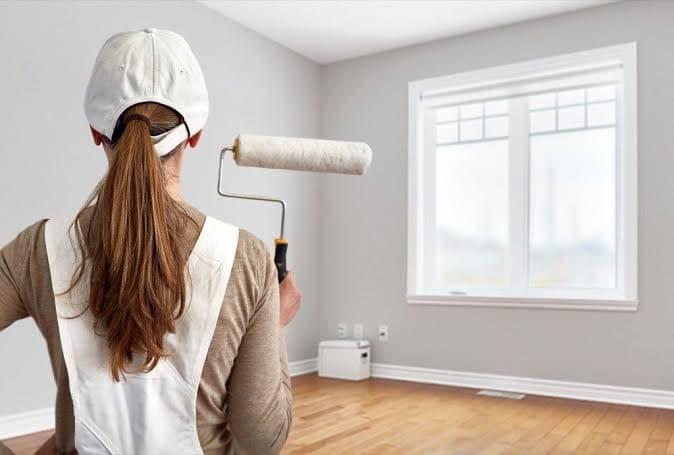
A fresh coat of paint can completely transform the appearance, atmosphere, and comfort of a home. Whether you want to modernise a living room, refresh tired bedroom walls, brighten a hallway, or give your entire property a new look, choosing the right paint and preparation methods makes a significant difference. Interior painting is not simply about changing colours; it is about creating attractive, practical, and long-lasting living spaces that reflect your personal style.
For homeowners planning interior painting Leeds, understanding the process, available finishes, colour choices, and importance of professional preparation can help achieve excellent results. From selecting suitable paints to preparing walls and applying smooth, even coats, every stage contributes to the overall quality of the finished project.
Professional painting can also help protect interior surfaces from everyday wear and tear. With the right approach, homeowners can improve their property's appearance while creating a welcoming environment for family members and visitors.
Why Interior Painting Is Important for Your Home
Interior painting is one of the most effective ways to improve a property's appearance without undertaking major renovation work. Walls, ceilings, doors, and other painted surfaces naturally experience wear over time. Scratches, stains, fading, and minor imperfections can make otherwise attractive rooms look outdated.
Refreshing these surfaces offers several benefits.
Improves the Appearance of Living Spaces
Colour has a significant influence on how a room looks and feels. Light shades can make smaller rooms appear more spacious, while deeper colours can introduce warmth and character. A carefully selected colour scheme can also create consistency throughout the property.
For example, neutral colours are popular in living rooms because they provide a calm and versatile background. Meanwhile, bedrooms often benefit from softer shades that encourage a relaxing atmosphere.
Protects Interior Surfaces
Quality paint provides a protective layer against everyday conditions. Depending on the product selected, painted surfaces can become easier to clean and more resistant to minor marks, moisture, and general household wear.
However, choosing the correct paint is essential. Kitchens, bathrooms, hallways, and bedrooms have different requirements, so the finish should suit the purpose of each space.
Supports Property Maintenance
Regular painting helps homeowners maintain their interiors and identify problems that might otherwise remain unnoticed. During preparation, issues such as peeling paint, small cracks, damp patches, or damaged plaster may become visible.
Addressing these problems before applying fresh paint can prevent an unsatisfactory finish and help maintain the condition of interior surfaces.
Choosing the Right Paint Colours for Different Rooms
Selecting suitable colours is an important part of any painting project. The right shades can improve natural lighting, complement furniture, and establish the atmosphere you want throughout your home.
Living Room Colour Ideas
Living rooms are often used for relaxing, entertaining guests, and spending time with family. Therefore, colours should create a comfortable and welcoming environment.
Popular choices include:
· Warm white for a clean and spacious appearance.
· Soft grey for a contemporary interior.
· Beige for a natural and timeless atmosphere.
· Sage green for a subtle connection with nature.
· Navy blue for a sophisticated feature wall.
Before making a final decision, consider the room's natural light, flooring, furniture, and decorative accessories.
Bedroom Paint Colours
Bedrooms should generally feel peaceful and comfortable. Soft blue, muted green, warm beige, and light neutral shades are suitable options for creating a relaxing environment.
For a more personalised design, homeowners can introduce an accent wall behind the bed. This creates visual interest without overwhelming the entire room.
Kitchen and Bathroom Colours
Kitchens and bathrooms require paint products that can handle their specific environmental conditions.
In kitchens, washable finishes are useful because walls may be exposed to grease, cooking splashes, and frequent cleaning. Bathrooms benefit from suitable moisture-resistant paints designed for humid environments.
It is important to remember that paint alone cannot resolve underlying dampness or ventilation problems. These issues should be investigated and corrected before decorating.
Understanding Different Interior Paint Finishes
Paint finishes influence both appearance and practicality. Choosing the correct finish helps achieve a professional-looking result while making surfaces easier to maintain.
Matt Finish
Matt paint has a smooth, non-reflective appearance. It is particularly useful for ceilings and walls where homeowners want to minimise the visibility of minor surface imperfections.
However, some matt products are less washable than other finishes, so the manufacturer's cleaning recommendations should always be checked.
Silk and Satin Finish
Silk and satin finishes offer a slight sheen and are often selected for areas that require more regular cleaning.
They can work well in hallways, kitchens, and other busy spaces. Nevertheless, their reflective properties may make surface imperfections more noticeable, which makes preparation particularly important.
Gloss and Semi-Gloss Finish
Gloss and semi-gloss paints are commonly used on woodwork, including doors, skirting boards, window frames, and trim.
These finishes create a more reflective appearance and can provide a durable surface when the correct preparation and application methods are followed.
The Importance of Proper Surface Preparation
A successful painting project starts long before the first coat is applied. Even premium paint may produce poor results if the underlying surface is dirty, uneven, or damaged.
For homeowners considering interior painting Leeds, professional preparation is an important factor when comparing painting services.
Cleaning Walls and Surfaces
Dust, grease, fingerprints, and other contaminants can prevent paint from adhering properly. Surfaces should be cleaned using appropriate products and allowed to dry completely before painting begins.
Kitchens may require additional attention because cooking activities can leave grease deposits on walls and nearby surfaces.
Repairing Cracks and Imperfections
Small holes, cracks, and damaged areas should be filled with suitable repair materials. Once the filler has dried, the repaired areas can be sanded to create an even surface.
Larger cracks or recurring damage may require further investigation to identify the underlying cause.
Sanding and Priming
Sanding helps remove loose paint, smooth rough areas, and prepare surfaces for a fresh coating. A suitable primer may also be necessary, particularly when painting bare plaster, repaired sections, stained surfaces, or areas with significant colour changes.
The correct primer improves adhesion and helps create a more consistent final appearance.
Protecting Furniture and Flooring
Before painting begins, furniture, floors, electrical fittings, and other items should be protected using suitable coverings and masking materials.
Good preparation reduces accidental paint marks and helps keep the property organised throughout the project.
The Professional Interior Painting Process
Understanding how a professional painting project works helps homeowners know what to expect and how to prepare their property.
Initial Inspection and Planning
The first stage involves assessing the rooms and surfaces that require attention. This includes checking the existing paintwork, identifying repairs, measuring the areas, and discussing the desired colours and finishes.
A clear plan helps establish the materials, preparation requirements, and estimated project duration.
Surface Preparation
After planning, the painting team prepares the relevant areas. This may involve cleaning, sanding, filling cracks, removing loose paint, and applying primer where necessary.
The amount of preparation required depends on the condition of the existing surfaces.
Applying the Paint
Once preparation is complete, paint is applied using appropriate brushes, rollers, or other suitable equipment.
Professional application focuses on achieving consistent coverage, smooth edges, and an even finish. Depending on the surface and product, multiple coats may be required.
Final Inspection and Clean-Up
After the paint has dried sufficiently, the finished surfaces should be inspected for missed areas, uneven coverage, and other visible imperfections.
Protective coverings are removed carefully, equipment is cleared away, and the room is returned to a clean and usable condition.
How to Choose a Reliable Interior Painting Service in Leeds
Finding a suitable painting professional requires more than comparing prices. Homeowners should consider experience, preparation standards, communication, and the quality of previous work.
Check Experience and Previous Projects
Look for professionals who have experience working on properties similar to yours. Reviewing photographs of completed projects can help you understand their approach to different rooms, surfaces, and decorative styles.
Request a Clear Written Quote
A detailed quotation should explain what the service includes. Ideally, it should cover preparation, repairs, paint materials, labour, the number of coats, and any additional charges.
This makes it easier to compare quotations accurately and avoid unexpected costs.
Discuss Paint Products and Finishes
Ask which paint brands and product ranges are being considered. A reliable professional should be able to explain why particular products are suitable for your rooms and the expected level of durability.
Check Reviews and Communication
Customer reviews can provide useful information about punctuality, workmanship, professionalism, and customer service.
It is also important to choose a provider who communicates clearly, answers questions, and explains the project before work begins.
Factors That Affect the Cost of Interior Painting
The cost of a painting project varies depending on the property, room dimensions, surface condition, materials, and amount of preparation required.
Several factors can influence the final quotation.
Size of the Property
Larger properties generally require more paint, preparation materials, and working hours. However, the layout and number of separate rooms can also affect the overall cost.
Condition of Walls and Ceilings
Walls with extensive cracks, peeling paint, stains, or damaged plaster may require additional preparation. Consequently, properties needing significant repairs can cost more to decorate than those with well-maintained surfaces.
Paint Quality and Finish
Different paint products have different prices and performance characteristics. Premium washable paints, specialist coatings, and moisture-resistant products may increase material costs but can provide benefits for particular environments.
Additional Painting Requirements
Painting ceilings, doors, skirting boards, radiators, and other woodwork may involve additional labour and materials. Homeowners should discuss these requirements when requesting a quotation.
For an accurate estimate, it is best to arrange an assessment rather than relying entirely on general online prices.
Common Interior Painting Mistakes to Avoid
Although painting may appear straightforward, several mistakes can affect the final result.
Skipping preparation: Applying paint directly to dirty or damaged surfaces can lead to poor adhesion and an uneven appearance.
Choosing unsuitable paint: Using standard wall paint in areas exposed to frequent moisture or cleaning may result in premature deterioration.
Ignoring drying times: Applying additional coats before the previous layer has dried sufficiently can affect the finish.
Using poor-quality tools: Unsuitable brushes and rollers may leave visible marks, uneven coverage, or loose fibres.
Choosing colours without testing: Paint colours can look different depending on lighting, room size, and surrounding furnishings. Testing sample colours before making a final decision can help avoid disappointment.
Avoiding these mistakes helps improve the appearance and durability of the completed work.
Why Professional Planning Makes a Difference
A well-organised painting project can reduce disruption and produce more consistent results. Professional planning involves selecting appropriate materials, arranging the work in a logical order, and allowing sufficient time for preparation and drying.
Homeowners should also consider ventilation, access to rooms, furniture movement, and household routines before work starts.
Working with an organised team such as Leeds Home Improvements can help homeowners discuss their requirements, understand the available options, and plan improvements around their property.
For anyone researching interior painting Leeds, it is worth prioritising workmanship and preparation rather than choosing a service based solely on the lowest quotation.
Frequently Asked Questions About Interior Painting
How often should interior walls be repainted?
There is no fixed repainting schedule because it depends on room usage, paint quality, household activity, and surface condition. Busy hallways and kitchens may need refreshing more frequently than guest bedrooms or less-used spaces.
How many coats of paint are usually required?
Most projects require a primer where appropriate and typically two coats of finishing paint. However, the exact number depends on the existing colour, surface condition, paint product, and coverage requirements.
Can I paint over existing paint?
Yes, provided the existing coating is sound, clean, and properly prepared. Peeling, flaking, or damaged paint should be addressed before applying a new finish.
How long does an interior painting project take?
The duration depends on the number of rooms, their size, surface condition, and preparation requirements. A single room may take considerably less time than a complete property, particularly when repairs or multiple coats are needed.
Is professional painting better than doing it yourself?
DIY painting can be suitable for smaller projects, but professional services may offer advantages in preparation, product selection, application techniques, and overall consistency. The best option depends on your budget, available time, and desired finish.
Conclusion
Interior painting is an effective way to refresh your home, improve the appearance of individual rooms, and maintain attractive interior surfaces. From choosing complementary colours and suitable finishes to repairing walls and applying paint correctly, every stage contributes to a successful result.
Homeowners should focus on proper preparation, quality materials, clear quotations, and reliable workmanship when planning a decorating project. By considering these factors, it becomes easier to achieve an attractive finish that suits both the property's design and everyday requirements.
Whether you are updating one room or refreshing your entire property, Leeds Home Improvements can be considered when exploring home improvement requirements. Careful planning and attention to detail can help create comfortable, appealing interiors that you will enjoy for years to come.

 English
 Arabic
 French
 Spanish
 Portuguese
 Deutsch
 Turkish
 Dutch
 Russian
 Romaian
 Portuguese (Brazil)
 Greek