


Understanding Brain Mapping and Its Role in Cognitive Wellness
The human brain is responsible for essential functions such as memory, attention, learning, emotional responses, and decision-making. Understanding how the brain works can help people make more informed choices about their cognitive health and overall well-being.
Modern assessment technologies have made it possible to study brain activity in greater detail. One such technology is quantitative electroencephalography (qEEG), commonly associated with brain mapping.
What Is Brain Mapping?
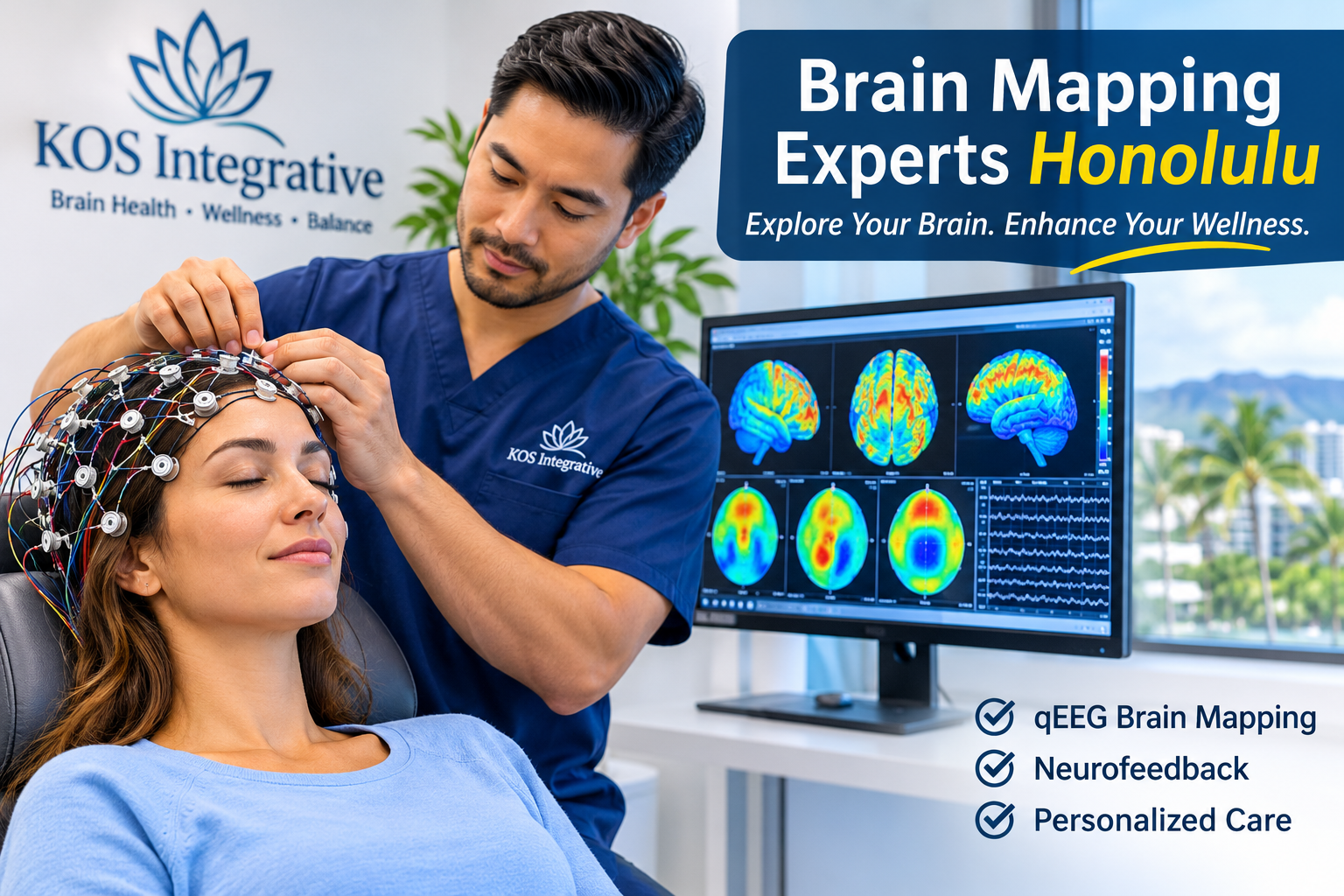
Brain mapping is an assessment approach that examines patterns of electrical activity in the brain. A qEEG assessment uses sensors placed on the scalp to record brainwave signals.
Specialized software processes these signals and presents them in visual formats that trained professionals can review.
Brain mapping may provide additional information about:
-
Brainwave activity and patterns
-
Attention and concentration
-
Cognitive performance
-
Sleep-related concerns
-
Emotional regulation
It is important to remember that brain mapping is an assessment tool, not a standalone medical diagnosis.
Why Is qEEG Brain Mapping Becoming Popular?
People are increasingly interested in understanding their cognitive health rather than relying only on general observations.
qEEG technology provides measurable information that may support a more individualized assessment. When interpreted alongside medical history and symptoms, these findings can help professionals explore suitable next steps.
It is particularly important to work with qualified providers who understand both the capabilities and limitations of brain mapping technology.
Finding Brain Mapping Experts Honolulu for Individualized Assessment
People searching for Brain Mapping Experts Honolulu may be interested in understanding brain activity, exploring cognitive wellness options, or learning whether qEEG assessment is appropriate for their needs.
KOS Integrative offers Brain Mapping, qEEG, and Neurofeedback services in Honolulu. These services provide an opportunity to explore brain activity assessment and personalized neurofeedback approaches.
A professional consultation can help individuals understand the assessment process, discuss their concerns, and determine which services may be appropriate for their circumstances.
How Does a Brain Mapping Assessment Work?
A typical qEEG assessment involves several stages.
Initial consultation: The provider discusses relevant health history, symptoms, and personal goals.
Sensor placement: Sensors are positioned on the scalp to record electrical activity.
Brainwave recording: The equipment collects signals while the individual follows the testing instructions.
Data analysis: Specialized software processes the recorded information into visual brain activity maps.
Professional interpretation: A qualified professional reviews the findings in the context of the individual's overall health.
The process is non-invasive and does not involve surgery.
Understanding the Connection Between Brain Mapping and Neurofeedback
Brain mapping and neurofeedback are related but different approaches.
Brain mapping measures and analyzes electrical activity, while neurofeedback uses real-time feedback to help individuals practice regulating certain brain activity patterns.
In some cases, assessment findings may help professionals develop an individualized neurofeedback plan. However, results and outcomes vary, and no particular benefit should be guaranteed.
Who May Explore Brain Mapping?
Brain mapping may interest adults who want to learn more about cognitive wellness, as well as individuals exploring professional support for attention, sleep, or neurological rehabilitation concerns.
People experiencing persistent neurological symptoms should seek appropriate medical evaluation rather than relying on brain mapping alone.
Making Informed Decisions About Brain Health
Understanding brain activity can be one part of a broader approach to cognitive wellness. With appropriate professional guidance, qEEG and neurofeedback may provide useful information for individuals exploring personalized assessment options.
Choosing qualified professionals, asking questions about testing methods, and understanding the limitations of available technologies can help people make informed decisions about their brain health. Read more blog

 English
 Arabic
 French
 Portuguese
 Deutsch
 Turkish
 Dutch
 Italiano
 Russian
 Romaian
 Portuguese (Brazil)
 Greek