


Influencer Marketing Strategy: How Brands Can Turn Creators Into Real Growth
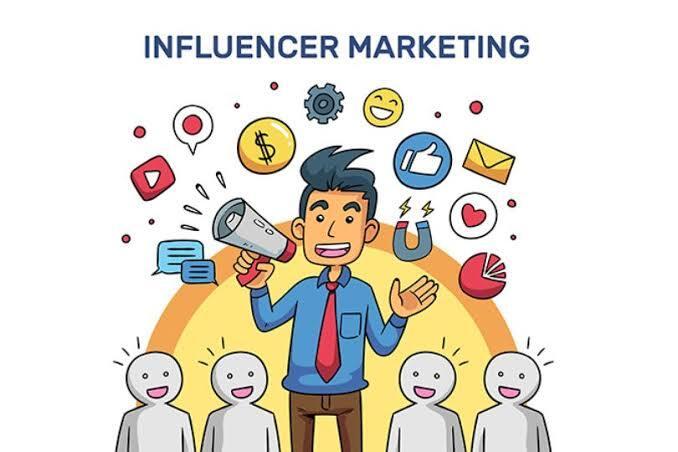
Consumers today see hundreds of advertisements every day. As a result, traditional promotions alone may not be enough to capture their attention or build trust. People are more likely to engage with content that feels relatable, authentic, and relevant to their interests. This is where influencer marketing can make a difference.
Influencer marketing allows brands to connect with their target audience through creators who already have an established community and credibility. However, successful campaigns require more than sending products to influencers or paying for a promotional post. They need the right strategy, creative direction, and clear goals.
Why Influencer Marketing Is Important for Brands
Influencers help brands communicate with audiences in a more relatable way. Instead of directly promoting a product through conventional advertisements, brands can showcase their offerings through real experiences, storytelling, tutorials, reviews, and lifestyle content.
A well-planned influencer campaign can help businesses:
-
Increase brand awareness among relevant audiences.
-
Build trust through relatable content and recommendations.
-
Generate engagement through conversations and social interactions.
-
Introduce new products or services to potential customers.
-
Drive website traffic, enquiries, and purchases.
When creators and brands share a similar audience and content style, collaborations can feel more natural and deliver better results.
Choose the Right Influencers, Not Just the Popular Ones
One of the biggest mistakes brands make is selecting influencers based only on their follower count. A creator with millions of followers may not necessarily reach the audience a brand wants to target. Meanwhile, a smaller creator with a highly engaged community may deliver more meaningful interactions.
Before finalising an influencer, brands should evaluate their audience demographics, engagement quality, content consistency, previous collaborations, and overall brand compatibility.
Micro and niche influencers can be particularly effective for targeted campaigns, while celebrity influencers may help create mass awareness and strengthen brand visibility. The right choice depends on campaign objectives, budget, and audience.
Create Content That Feels Authentic
Audiences can easily recognise content that feels overly promotional. Influencer campaigns work better when creators have the freedom to present a brand in their own voice while following the campaign's core messaging.
Instead of relying entirely on scripted advertisements, brands can explore product reviews, storytelling reels, tutorials, behind-the-scenes content, challenges, and everyday product integrations.
The objective should be to make the product or service a natural part of the creator's content. This approach helps audiences understand its value without making the promotion feel forced.
Select the Right Platform for Your Campaign
Every social media platform serves a different purpose. Instagram is useful for visual storytelling, reels, product discovery, and lifestyle campaigns. YouTube works well for detailed reviews, tutorials, and long-form storytelling. Other platforms can also be considered depending on the target audience and campaign requirements.
Brands should focus on platforms where their potential customers are most active instead of spreading their budgets across every channel.
Measure Results Beyond Views and Likes
Influencer marketing should be measured against business objectives, not just vanity metrics. While reach, impressions, and engagement indicate how audiences respond to content, they do not always reflect the actual business impact.
Brands should track website visits, enquiries, leads, sales, promo code usage, and conversions wherever applicable. Analysing these metrics helps identify which creators and content formats are performing well and where improvements are needed.
Make Influencer Marketing a Long-Term Strategy
A single influencer post may create visibility, but consistent collaborations can help build familiarity and stronger brand recall. Working with creators over time also gives brands opportunities to experiment with different formats, understand audience behaviour, and improve campaign performance.
Influencer marketing is most effective when it combines creativity, genuine audience connections, and measurable outcomes. With the right strategy, brands can turn creator partnerships into a valuable part of their overall marketing efforts and build stronger relationships with their customers.

 Arabic
 French
 Spanish
 Portuguese
 Deutsch
 Turkish
 Dutch
 Italiano
 Russian
 Romaian
 Portuguese (Brazil)
 Greek