


New Boiler Installation Sheffield: A Complete Guide to Choosing and Installing the Right Boiler
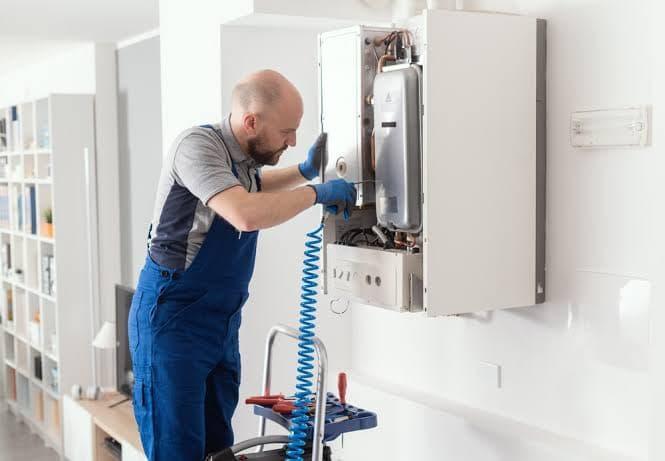
A reliable boiler is essential for maintaining a comfortable home, particularly during the colder months in Sheffield. Whether your existing heating system frequently breaks down, struggles to heat your property, or has become expensive to operate, investing in a modern replacement can make a significant difference. A new boiler can improve heating efficiency, provide a dependable hot water supply and help reduce unnecessary energy consumption.
However, choosing the right heating system involves more than simply purchasing a new appliance. Homeowners need to consider property size, household hot water requirements, energy efficiency, installation costs and long-term maintenance. Professional installation is equally important because an incorrectly fitted boiler can create safety risks, reduce performance and lead to avoidable repair expenses.
Understanding the process of new boiler installation sheffield can help homeowners make informed decisions and select a heating solution that meets their household requirements. This guide explains the different boiler types, installation considerations, warning signs that indicate replacement may be necessary, and the importance of using qualified heating engineers.
Why Should You Consider Installing a New Boiler?
A boiler works continuously to provide heating and hot water throughout your property. Over time, internal components experience wear and tear, which can affect reliability and efficiency. Although regular servicing can extend a boiler's lifespan, replacement eventually becomes a more practical option.
Here are some important reasons to consider upgrading your heating system.
Improved Energy Efficiency
Older boilers may consume more fuel to produce the same amount of heat as modern systems. This can result in higher energy consumption and increased household bills.
Modern condensing boilers are designed to recover additional heat from exhaust gases, helping improve overall efficiency. When correctly sized and installed, they can provide effective heating while using energy more efficiently.
Nevertheless, actual savings depend on factors such as the previous boiler's condition, household heating habits, insulation and energy tariffs.
Greater Heating Reliability
An unreliable boiler can cause considerable inconvenience, especially during winter. Repeated breakdowns, inconsistent temperatures and unexpected shutdowns can make it difficult to maintain a comfortable indoor environment.
Replacing an ageing system can reduce the likelihood of recurring equipment-related problems. Furthermore, a modern boiler installed by a qualified professional can provide more consistent heating and dependable hot water.
Better Hot Water Performance
Households with growing families or increased hot water requirements may find that their existing boiler no longer meets their needs.
A replacement system can be selected according to the number of bathrooms, available water pressure and typical household usage. This helps ensure that the heating system provides suitable hot water capacity without unnecessary energy consumption.
Understanding Different Types of Boilers
Before arranging new boiler installation sheffield, homeowners should understand the main boiler options available. Each type has different characteristics, making it suitable for particular property layouts and household requirements.
Combi Boilers
Combination boilers, commonly known as combi boilers, provide central heating and hot water directly from one compact unit.
They do not require a separate hot water storage cylinder, making them particularly suitable for smaller properties where available space is limited.
Main advantages include:
· Compact design that saves storage space.
· Hot water supplied directly when required.
· No separate hot water cylinder needed.
· Generally straightforward installation arrangements.
· Reduced heat loss associated with stored hot water.
However, a combi boiler may not be ideal for larger households where several bathrooms require hot water simultaneously. Its suitability also depends on the incoming mains water flow and pressure.
System Boilers
System boilers use a separate hot water storage cylinder but incorporate many heating components within the boiler itself.
They can be a suitable option for medium-sized and larger properties where multiple occupants regularly require hot water.
Important benefits include:
· Suitable for households with higher hot water demand.
· Can supply several outlets simultaneously, subject to system capacity.
· Compatible with suitable solar thermal arrangements.
· No need for a separate cold water feed tank in the loft.
The main consideration is that a storage cylinder requires additional space, and hot water availability depends on its capacity and recovery time.
Regular Boilers
Regular boilers, sometimes called conventional or heat-only boilers, work with separate hot water cylinders and cold water storage tanks.
They are commonly found in traditional heating systems, particularly in older properties.
Their advantages include compatibility with certain existing heating arrangements and suitability for homes with substantial hot water requirements.
However, replacing this type of system with another boiler configuration may require additional plumbing modifications. Therefore, an assessment of the existing installation is essential before making a decision.
Important Factors to Consider Before Boiler Installation
Choosing a boiler without considering your household's requirements can result in poor performance or unnecessary expenditure. A professional heating engineer should assess several factors before recommending a replacement.
Property Size and Heating Requirements
The size and layout of your property influence the heating capacity required.
A small flat may need a different boiler specification from a large detached house. However, property size alone does not determine the correct boiler output.
Heating engineers should also consider:
· Number of radiators.
· Number of bathrooms.
· Number of occupants.
· Insulation quality.
· Property layout.
· Hot water consumption.
· Existing heating system configuration.
These details help determine an appropriate boiler capacity.
Boiler Size and Output
Boiler output is generally measured in kilowatts (kW). Selecting the correct output is important because an unsuitable boiler may struggle to meet household demand or operate inefficiently.
For example, a household with several bathrooms may require greater hot water capacity than a smaller property with one bathroom.
A qualified engineer can calculate the appropriate heating and hot water requirements rather than relying on general assumptions.
Energy Efficiency Ratings
Energy efficiency should be an important consideration when comparing replacement boilers.
Modern heating appliances are designed to meet current efficiency and product standards. Homeowners should compare manufacturers' specifications, efficiency information, warranties and expected operating requirements before purchasing.
In addition, improving loft insulation, cavity wall insulation and heating controls can help reduce unnecessary heat loss.
Installation Budget
The total installation cost depends on more than the boiler's purchase price.
Potential expenses include:
· Boiler supply.
· Labour charges.
· Removal of the existing appliance.
· New pipework.
· Flue modifications.
· System cleaning or flushing.
· Thermostat and control upgrades.
· Additional components or structural work.
Obtaining a detailed quotation helps homeowners understand what is included and avoid unexpected expenses.
What Happens During a Professional Boiler Installation?
A properly organised installation involves several stages. Understanding these steps helps homeowners know what to expect when arranging new boiler installation sheffield.
Initial Assessment and Consultation
The process usually begins with an inspection of the existing heating system.
The engineer evaluates the current boiler, pipework, radiators, flue arrangements and available installation space. They also discuss household heating requirements and hot water usage.
Based on this assessment, they can recommend an appropriate boiler type and explain any necessary modifications.
Selecting the Right Boiler
Once the assessment is complete, the next step is choosing a suitable appliance.
Homeowners should compare:
· Boiler type and output.
· Manufacturer reputation.
· Warranty conditions.
· Energy efficiency.
· Availability of replacement components.
· Servicing requirements.
· Compatibility with existing heating controls.
A suitable recommendation should balance performance, reliability and overall cost.
Removing the Existing Boiler
Before installing the replacement, the old appliance must be safely disconnected and removed.
The engineer should isolate the relevant services and follow appropriate procedures to protect the property and existing heating system.
Any necessary changes to pipework, connections or the flue should be completed in accordance with applicable safety requirements.
Installing and Connecting the New Boiler
The replacement boiler is positioned and connected to the heating system, water supply, gas supply and flue as appropriate.
All connections must be completed according to the manufacturer's installation instructions and relevant regulations.
The engineer should also install or configure suitable heating controls to help homeowners manage indoor temperatures effectively.
Testing and Commissioning
After installation, the boiler must be tested and commissioned.
This process includes checking operating pressure, gas safety, combustion performance, water circulation, heating controls and hot water operation.
The installer should explain how to operate the appliance and provide the relevant documentation, including commissioning information and warranty details.
Signs That Your Existing Boiler May Need Replacing
Boilers do not usually stop working without showing some warning signs. Recognising these symptoms early can help homeowners arrange an inspection before a complete breakdown occurs.
Frequent Boiler Breakdowns
If your boiler regularly requires repairs, replacement may become more economical than continuing to repair ageing components.
However, not every recurring fault means the entire appliance needs replacing. A qualified engineer should diagnose the underlying issue before recommending a solution.
Increasing Energy Bills
Unexpected increases in heating costs may indicate reduced boiler efficiency. Nevertheless, energy prices, insulation problems and changes in household usage can also contribute.
A professional inspection can help identify whether the boiler is responsible.
Uneven Heating Throughout the Property
Radiators that remain cold or rooms that take too long to warm up may indicate circulation problems, trapped air, sludge accumulation or boiler-related faults.
These problems do not automatically require a replacement. In some cases, repairing or cleaning the existing system may restore performance.
Unusual Noises or Water Leaks
Banging, whistling, vibrating or persistent gurgling noises should not be ignored.
Likewise, visible water leaks around the appliance require professional attention. If you suspect a gas leak, leave the property, avoid operating electrical switches or creating ignition sources, and contact the National Gas Emergency Service on 0800 111 999 from a safe location.
Why Choose Qualified Boiler Installation Professionals?
Boiler installation involves gas, water, electricity and combustion systems. Consequently, choosing a properly qualified installer is essential for safety and long-term performance.
Gas Safety and Professional Qualifications
In the UK, anyone carrying out gas work must be appropriately registered with Gas Safe Register.
Before allowing an engineer to work on a gas boiler, homeowners should check their registration and confirm that their qualifications cover the specific work required.
This provides reassurance that the work is being undertaken by someone with the appropriate competence.
Compliance with Building Regulations
Boiler installations must comply with applicable building regulations, gas safety requirements and manufacturer instructions.
Depending on the installation, notification and certification requirements may also apply.
Using an appropriately qualified installer helps ensure that the work is completed and documented correctly.
Reliable Aftercare and Maintenance
Professional support should not end when the boiler is installed.
Regular servicing helps identify developing problems, check safe operation and maintain the appliance according to manufacturer recommendations.
Homeowners should also understand their warranty conditions, including any servicing requirements that must be followed to maintain warranty coverage.
How to Maintain Your New Boiler After Installation
Once your replacement heating system is operational, proper maintenance can help protect your investment.
Arrange Annual Boiler Servicing
An annual service by a suitably qualified heating engineer is recommended for most domestic gas boilers.
During servicing, the engineer checks important components, examines the appliance's condition and assesses safe operation.
Regular servicing can also help identify developing faults before they cause more serious problems.
Monitor Boiler Pressure
Homeowners should become familiar with the pressure range specified in their boiler manufacturer's instructions.
Pressure that repeatedly falls or rises outside the recommended range may indicate a fault or system leak.
Avoid repeatedly topping up the system without understanding why the pressure is changing. Seek professional advice if the problem continues.
Use Heating Controls Correctly
Modern thermostats and heating programmers allow homeowners to control heating schedules and indoor temperatures.
Using these controls effectively can prevent unnecessary heating when rooms are unoccupied.
Smart thermostats may provide additional scheduling and remote-control features, depending on the model and system compatibility.
Protect the Heating System
Radiators should be checked periodically for cold spots, leaks and unusual noises.
In addition, maintaining suitable insulation and addressing circulation problems can support overall heating performance.
Why Local Knowledge Matters When Installing a Boiler in Sheffield
Sheffield has a diverse range of residential properties, from traditional terraced houses to modern apartments and larger family homes. Each property can have different heating requirements and installation challenges.
Older buildings may have existing pipework or heating arrangements that require careful assessment. Meanwhile, newer properties may benefit from compact boiler designs and modern heating controls.
Local homeowners should therefore look for installers who understand different property configurations and can recommend appropriate solutions.
FH Plumbing & Gas Installations provides a relevant point of contact for homeowners researching heating and plumbing services in Sheffield. When comparing installation providers, ask about Gas Safe registration, previous installation experience, written quotations, commissioning documentation and aftercare arrangements.
It is also sensible to confirm whether the quotation includes removing the existing boiler, modifying pipework, disposing of the old appliance and registering the installation where required.
Frequently Asked Questions About Boiler Installation
How Long Does a New Boiler Installation Take?
A straightforward boiler replacement may take approximately one day. However, installations involving a boiler relocation, new pipework or a complete heating system conversion can take longer.
The installer should provide a realistic timeframe after inspecting the property.
Which Boiler Is Best for a Small Property?
A combi boiler is often suitable for smaller properties because it does not require a separate hot water cylinder. Nevertheless, the final choice depends on water pressure, hot water demand and the existing heating arrangement.
Is It Worth Replacing an Old Boiler?
Replacement may be worthwhile when an existing boiler is unreliable, inefficient or expensive to maintain. However, the decision should consider the appliance's condition, repair costs and the expected performance of a replacement.
Do I Need to Replace My Radiators When Installing a New Boiler?
Not necessarily. Existing radiators can often remain in place if they are in good condition and compatible with the new heating system.
However, a heating engineer may recommend replacing damaged or unsuitable radiators or cleaning the system before commissioning the new boiler.
Does a New Boiler Need Annual Servicing?
Yes. Annual servicing is recommended for most domestic boilers to check safe operation, inspect components and identify developing faults. It may also be required under the manufacturer's warranty conditions.
Can I Change From a Regular Boiler to a Combi Boiler?
Yes, many properties can be converted from a regular boiler to a combi system. However, the feasibility depends on water pressure, pipework, hot water demand and the property's existing plumbing configuration.
A professional assessment is necessary before deciding whether conversion is suitable.
Conclusion
Installing a modern boiler is an important investment in your property's comfort, heating reliability and long-term energy performance. However, achieving the best results requires careful planning, correct boiler selection and professional installation.
From comparing combi, system and regular boilers to understanding installation costs, safety requirements and ongoing maintenance, homeowners should consider every aspect before making a final decision. A properly sized and professionally commissioned heating system can provide dependable warmth and hot water while supporting efficient household energy use.
If you are considering new boiler installation sheffield, arrange an assessment with a qualified heating professional to discuss your property's requirements and available options. FH Plumbing & Gas Installations can be considered when researching local plumbing and heating support. Always verify the installer's Gas Safe registration, request a clear written quotation and ensure that the completed installation includes the appropriate safety and commissioning documentation.
Making an informed decision today can help you enjoy a safer, more reliable and comfortable heating system for years to come.

 English
 Arabic
 French
 Spanish
 Portuguese
 Turkish
 Dutch
 Italiano
 Russian
 Romaian
 Portuguese (Brazil)
 Greek