


Solar Panel To Panel Earthing: Importance, Benefits, Installation and Safety Solutions
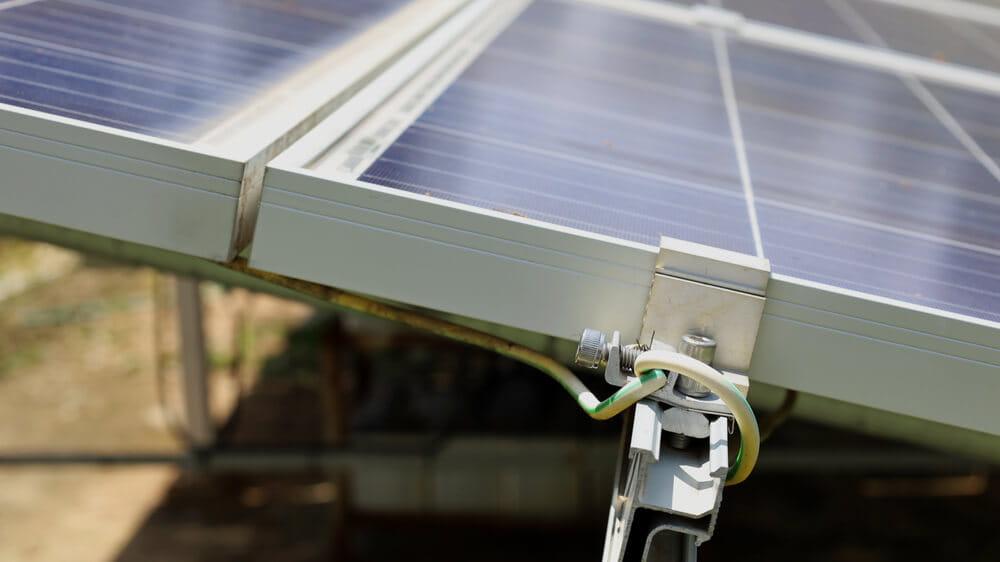
Solar energy has become an increasingly popular source of renewable electricity for residential, commercial and industrial applications. Solar panel installations help reduce electricity costs, support sustainable energy production and provide a reliable alternative to conventional power sources. However, ensuring electrical safety is equally important when installing a solar power system. One essential aspect of solar installation safety is Solar Panel To Panel Earthing.
Proper earthing helps establish electrical continuity between solar panel frames, mounting structures and other conductive components. It provides an appropriate path for fault currents and helps reduce the risk of electric shock, equipment damage and electrical hazards. Earthing World provides professional earthing solutions designed to support the safety, reliability and long-term performance of solar power installations.
What Is Solar Panel To Panel Earthing?
Solar panel to panel earthing refers to the electrical bonding of conductive parts of solar photovoltaic (PV) modules and their supporting structures. Solar panels generally have metal frames that may become electrically hazardous if insulation fails or an electrical fault occurs.
An appropriately designed earthing and bonding arrangement connects these exposed conductive parts to the protective earthing system. This helps maintain electrical continuity and provides a suitable path for fault current, allowing protective devices to operate as intended.
In larger solar installations, multiple panels are connected together to form solar arrays. Proper bonding between panel frames and mounting structures is important for maintaining an effective protective earthing network throughout the installation.
The exact arrangement depends on the solar panel design, mounting system, inverter configuration and applicable electrical safety requirements.
Why Is Earthing Important in Solar Panel Installations?
Electrical safety should always be a priority when designing and installing solar power systems. Solar panels generate electricity whenever sufficient sunlight is available, meaning certain electrical hazards can remain present even when the main AC supply is disconnected.
Here are some important reasons why proper solar panel earthing is necessary.
1. Protection Against Electrical Shocks
Metallic solar panel frames and mounting structures can become energised under fault conditions. Proper protective bonding and earthing help establish a safe fault current path, reducing the risk of dangerous touch voltages.
2. Protection of Solar Equipment
Solar installations contain several electrical components, including photovoltaic modules, inverters, junction boxes, cables and mounting structures. An appropriately designed earthing system supports electrical protection and helps minimise the consequences of certain electrical faults.
3. Improved Electrical Safety
Proper earthing helps ensure that exposed conductive components are connected to the protective earthing network. This supports the effective operation of protective devices and improves the overall safety of the solar installation.
4. Support for Lightning Protection
Solar installations located on rooftops and open land may be exposed to lightning activity. A coordinated lightning protection and earthing arrangement helps manage lightning-related risks. However, protective earthing alone does not guarantee protection against direct lightning strikes.
5. Long-Term System Reliability
Reliable bonding connections, suitable earthing conductors and regular inspections help maintain the integrity of a solar installation. This contributes to safer operation throughout the system's service life.
How Does Solar Panel To Panel Earthing Work?
A solar panel earthing arrangement creates electrical continuity between exposed conductive components and the designated protective earthing network.
In a typical photovoltaic installation, specially designed bonding components connect the metal frames of solar modules to conductive mounting structures. The mounting structure is then connected to the protective earthing conductor or earthing network according to the approved electrical design.
The main components involved may include:
-
Solar panel metal frames.
-
Module bonding clips and earthing washers.
-
Solar mounting structures.
-
Protective earthing conductors.
-
Earthing terminals and connection accessories.
-
Main earthing terminals or earthing networks.
-
Suitable earth electrodes where required by the design.
It is important to understand that solar panel frames should not be connected using improvised wiring or unsuitable fasteners. Approved bonding accessories should be used to maintain reliable electrical connections without compromising the manufacturer's requirements or protective coatings.
Different Methods of Solar Panel Earthing
The appropriate earthing method depends on the size, configuration and electrical design of the solar installation.
1. Module-to-Module Bonding
Module-to-module bonding establishes electrical continuity between adjacent solar panel frames. Specialised bonding clips, washers or approved connectors may be used depending on the module and mounting system.
This method helps create a continuous bonding arrangement across the solar array when the components are designed and approved for that purpose.
2. Panel-to-Mounting Structure Earthing
Solar panels are generally installed on metal mounting structures. Proper bonding between the module frames and supporting structures helps connect exposed conductive components to the protective earthing network.
The connection must be compatible with the mounting equipment and maintain reliable electrical continuity.
3. Solar Array Protective Earthing
In larger solar installations, the solar array structures are connected to a coordinated protective earthing network. This arrangement helps ensure that exposed conductive components throughout the installation have an appropriate protective connection.
4. Lightning Protection Earthing
Where lightning protection is required, the system must be designed in coordination with the solar installation. This includes appropriate separation distances, bonding arrangements and lightning current paths to minimise dangerous potential differences.
A qualified electrical professional should evaluate the complete installation rather than treating panel earthing and lightning protection as separate, unrelated systems.
Common Challenges in Solar Panel Earthing
Solar panel earthing requires careful planning because installations are exposed to changing weather conditions and environmental factors.
Some common challenges include:
Corrosion of Connections: Outdoor solar installations are exposed to moisture, temperature changes and environmental pollutants. Unsuitable materials or incompatible metals can lead to corrosion and increased connection resistance.
Loose Bonding Connections: Poor installation practices, vibration and thermal expansion can affect electrical connections over time.
Incorrect Earthing Accessories: Using unsuitable clips, fasteners or conductors can compromise electrical continuity and the mechanical integrity of the system.
Poor Installation Design: An incorrectly designed earthing network may fail to provide the required fault current path or protective performance.
Inadequate Maintenance: Without periodic inspections, damaged conductors, corroded terminals and loose connections may remain undetected.
Working with experienced earthing professionals can help identify these issues during the design, installation and maintenance stages.
Solar Panel Earthing Installation: Important Considerations
A properly planned installation is essential for achieving dependable solar panel earthing performance.
The following factors should be considered:
-
Site Assessment: Evaluate the solar installation, mounting arrangement, environmental conditions and existing electrical infrastructure.
-
Earthing Design: Develop an appropriate protective bonding and earthing arrangement based on the system configuration and applicable standards.
-
Suitable Materials: Select compatible conductors, bonding accessories and connectors designed for outdoor solar applications.
-
Proper Connections: Ensure all required module frames and conductive structures are bonded according to the approved design.
-
Electrical Testing: Verify electrical continuity and the effectiveness of the protective earthing arrangement using suitable testing procedures.
-
Documentation: Maintain installation drawings, test results and inspection records for future maintenance and compliance purposes.
Solar panel earthing work should always be performed by qualified professionals following the manufacturer's instructions and applicable electrical regulations.
Testing and Maintenance of Solar Panel Earthing Systems
Installing an earthing system is only the first step. Regular inspection and testing are necessary to maintain its performance.
Solar panel earthing systems should be checked for loose connections, corrosion, damaged conductors and deterioration of bonding accessories.
Electrical continuity testing helps verify connections between bonded conductive components. Depending on the installation, additional testing may include protective conductor verification, earth electrode resistance measurements and inspection of lightning protection arrangements.
Testing should be conducted using suitable calibrated instruments and appropriate procedures. The required testing frequency depends on the installation environment, operating conditions and applicable regulations.
Routine maintenance helps identify potential problems early and supports the long-term safety of the solar power system.
Why Choose Earthing World for Solar Panel To Panel Earthing?
Choosing the right earthing solution provider is important for maintaining the safety and reliability of solar installations. Earthing World focuses on providing professional earthing solutions for different electrical and industrial applications.
From solar panel bonding and protective earthing to complete grounding arrangements, the right solution should be designed according to site requirements and applicable electrical standards.
Earthing World aims to support customers with suitable earthing solutions, quality materials and technically appropriate installation practices. Whether you are developing a rooftop solar project, a commercial photovoltaic installation or a large industrial solar plant, a properly planned earthing system is essential.
Conclusion
Solar Panel To Panel Earthing is an important part of electrical safety in photovoltaic installations. Proper bonding between solar panel frames, mounting structures and the protective earthing network helps reduce electrical hazards, supports protective device operation and improves overall installation reliability.
From module-to-module bonding to complete solar array earthing, every connection should be carefully designed, installed and tested. Selecting suitable materials and arranging regular inspections can also help maintain reliable performance over time.
If you are planning a new solar installation or upgrading an existing photovoltaic system, consider professional earthing solutions from Earthing World. A properly designed and maintained solar earthing system helps protect people, electrical equipment and infrastructure while supporting the safe operation of renewable energy installations.

 English
 Arabic
 French
 Spanish
 Portuguese
 Deutsch
 Turkish
 Dutch
 Italiano
 Russian
 Portuguese (Brazil)
 Greek