


Skin Cut Healing Cream: Understanding Effective Care for Faster Skin Recovery
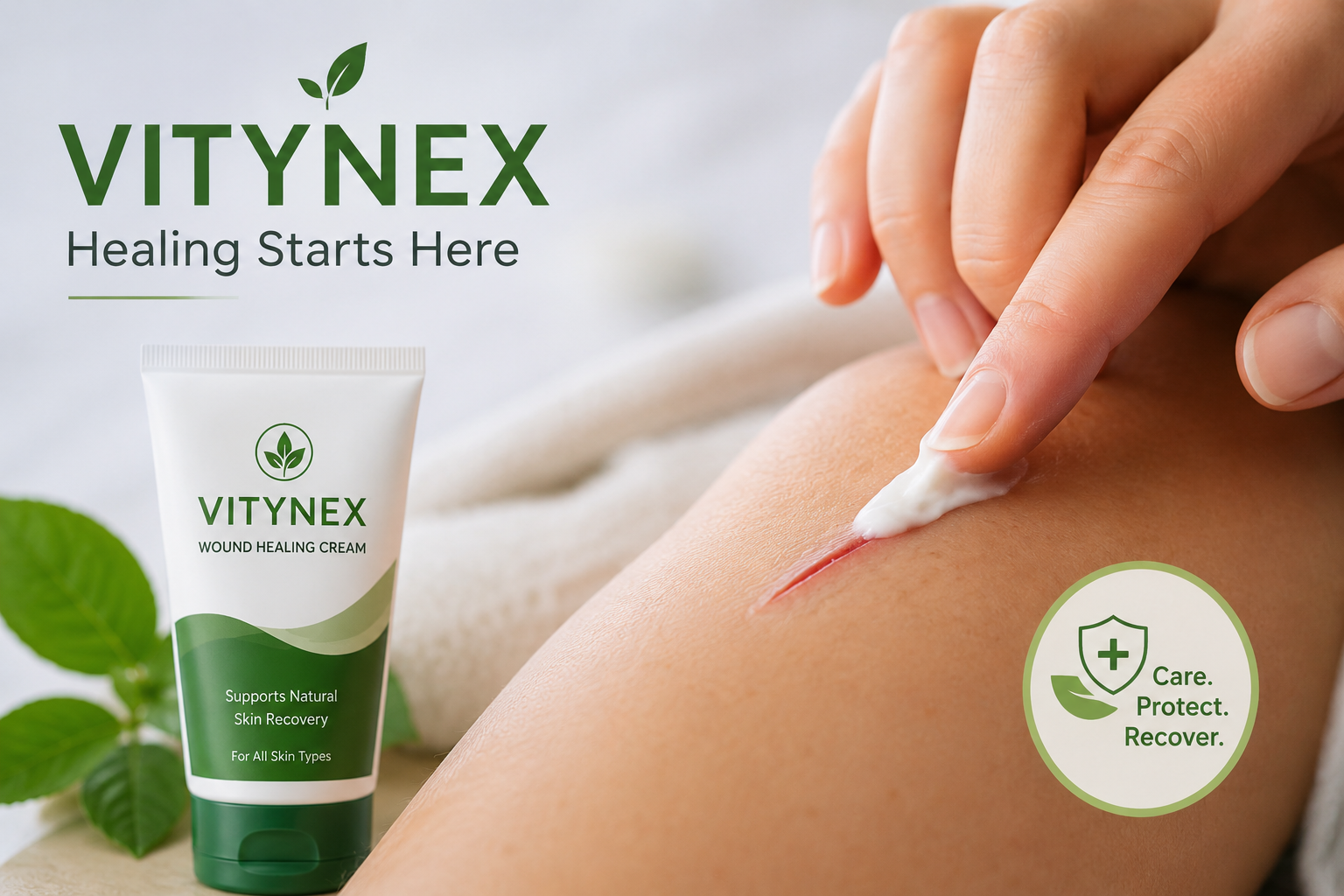
Minor cuts are among the most common skin injuries, yet proper care can make an important difference in how comfortably and efficiently the skin recovers. A small cut may result from a kitchen accident, shaving, exercise, household activity, or an everyday scrape. Although many minor wounds can heal naturally, keeping the area clean, protected, and appropriately moisturized can support the body's normal repair process.
When choosing a skin cut healing cream, it is important to consider the type and condition of the wound rather than simply looking for the strongest or most heavily medicated product. For uncomplicated cuts, basic wound care often includes gentle cleaning, maintaining a moist environment, and protecting the area with a suitable dressing. Dermatologists commonly recommend petroleum jelly for minor wounds because it helps maintain moisture while the skin repairs itself.
People searching for the best cream to heal wounds should also understand that no single topical product is appropriate for every injury. A superficial scratch, a deeper cut, a burn, and an infected wound may require very different approaches. The right choice depends on the wound's depth, location, cleanliness, symptoms, and overall healing progress.
Understanding How Skin Heals After a Cut
Skin healing is a natural biological process that begins almost immediately after an injury. The body first works to control bleeding, then inflammation and the formation of new tissue follow. During later stages, new skin gradually strengthens and remodels.
Why Moisture Matters During Recovery
A suitable moist environment can help prevent a wound from becoming excessively dry. Dermatology guidance notes that keeping minor wounds moist with petroleum jelly can support healing and may help reduce the size, depth, or itchiness of resulting scars.
This does not mean leaving a wound wet or soaking it in water. Instead, the goal is to maintain appropriate moisture while protecting the injury from dirt and unnecessary friction. A clean dressing can provide an additional barrier and should generally be changed when it becomes wet or dirty.
What to Look for in Skin Healing Products
The term skin healing creams can describe a broad range of topical products intended to support the recovery of damaged skin. However, their ingredients and intended uses can differ considerably.
Choose Products According to the Wound
For a minor, uncomplicated cut, a simple protective ointment may be sufficient after the area has been cleaned. Some products are designed primarily to maintain moisture, while others may contain ingredients intended for particular skin concerns.
Consumers should read product directions carefully and avoid assuming that a more complicated formula will automatically produce faster results. A product should be appropriate for the type of injury being treated and should not cause additional irritation.
Consider Skin Sensitivity
Sensitive skin may react to certain fragrances, preservatives, or active ingredients. If burning, itching, worsening redness, or a rash develops after applying a topical product, discontinue use and consider seeking professional advice.
Antibiotic ointments deserve particular consideration. The American Academy of Dermatology explains that many minor cuts and wounds do not require topical antibiotics and that these products can sometimes cause irritation or contact dermatitis.
How to Care for a Minor Cut Properly
Using a topical product is only one part of effective wound care. Cleaning and protecting the injury are equally important.
Step 1: Clean Your Hands and the Wound
Wash your hands before touching the injury. Gently rinse the cut with clean running water to remove dirt and debris. Mild soap can be used around the wound, but harsh chemicals should be avoided because they may irritate damaged tissue. Mayo Clinic specifically advises against putting hydrogen peroxide or iodine directly into minor cuts because they can irritate wounds.
If visible debris cannot be removed easily, avoid aggressively digging into the wound. Professional assessment may be more appropriate.
Step 2: Apply an Appropriate Protective Layer
Once the wound has been cleaned, a thin protective layer can help prevent the surface from drying excessively. For many uncomplicated minor injuries, petroleum jelly is a commonly recommended option.
The purpose is not to saturate the wound but to create a supportive environment for natural repair. If a healthcare professional has recommended a specific product, follow those instructions rather than substituting another treatment.
Step 3: Cover and Protect the Area
A clean adhesive bandage or sterile gauze can protect a wound from dirt, friction, and repeated reopening. The American Academy of Dermatology recommends keeping minor wounds covered and changing the dressing daily or as directed by the wound-care instructions.
Protection can be especially useful when the cut is on a hand, finger, foot, knee, or another area that moves frequently.
Common Mistakes That Can Slow Skin Recovery
Good wound care is not only about what you apply. It is also about avoiding habits that interfere with recovery.
Avoid Picking or Scratching
Picking at a healing wound can disrupt newly forming tissue and increase irritation. It may also cause bleeding or make a developing scar more noticeable.
Allowing the skin to progress through its natural healing stages is generally preferable to repeatedly disturbing the area.
Avoid Harsh Home Remedies
Alcohol, hydrogen peroxide, and other harsh substances are sometimes used with the intention of disinfecting a wound. However, these products can irritate damaged tissue. For routine minor cuts, gentle cleansing of the area around the wound with water and mild soap is generally preferred.
Do Not Automatically Use Antibiotics
Antibiotic creams are not automatically necessary for every cut. The American Academy of Dermatology recommends avoiding routine antibiotic use for minor wounds when there are no signs of infection, partly because some people develop contact dermatitis from these products.
If infection is suspected, the appropriate response is medical evaluation rather than simply applying more topical medication.
Supporting the Skin Beyond the Initial Injury
Once the wound has closed, continued attention can help protect the recovering skin.
Protect Newly Healed Skin From the Sun
Newly healed skin and scars can become darker with sun exposure. The American Academy of Dermatology recommends broad-spectrum sunscreen with SPF 30 or higher after the wound has healed, along with other sun-protection measures.
Sun protection is particularly important when a healing mark is located on an exposed area such as the face, arms, or hands.
Maintain Healthy Skin Around the Wound
The skin surrounding an injury can become dry or irritated, especially when covered by adhesive dressings. Keeping the surrounding skin comfortable and avoiding unnecessary friction can make wound care easier.
However, an ordinary moisturizer should not be used as a substitute for proper wound care when the skin remains open.
When a Cut Needs Medical Attention
Not every wound should be managed at home. Deeper injuries, severe bleeding, wounds caused by bites, puncture wounds, or cuts containing embedded debris may require professional assessment.
Watch for Signs of Infection
Increasing pain, swelling, warmth, spreading redness or discoloration, pus or drainage, unpleasant odor, and fever can indicate an infection. If these symptoms appear or the wound worsens instead of gradually improving, medical attention should be sought.
People with conditions or circumstances that can affect wound healing should also seek professional guidance rather than relying solely on over-the-counter products.
Making Wound Care Part of a Consistent Routine
Effective skin recovery is usually based on simple, consistent habits rather than constantly changing products. Clean the injury gently, maintain an appropriate level of moisture, protect the area with a suitable dressing, and monitor its progress.
Choosing a topical product should be based on the nature of the wound and the needs of the surrounding skin. A product that works well for one type of minor injury may not be suitable for another. Following product instructions and professional recommendations can help reduce unnecessary irritation.
Conclusion
A minor cut may appear simple, but thoughtful care can support a smoother recovery. The fundamentals remain important: clean the injury gently, protect it from contamination and friction, maintain an appropriate moist environment, and monitor the skin as it heals.
Rather than assuming that the most medicated product is always the best option, consider the wound's condition and use a suitable approach. For uncomplicated cuts, basic wound care can often provide the foundation needed for natural healing. When a wound is deep, increasingly painful, infected, or otherwise concerning, professional medical evaluation is more appropriate than relying on topical treatment alone.

 English
 Arabic
 Spanish
 Portuguese
 Deutsch
 Turkish
 Dutch
Dutch
 Italiano
 Russian
 Romaian
 Portuguese (Brazil)
 Greek
Greek