


Security & Authentication Chips: How Do They Create Trust Across Connected Electronic Systems?
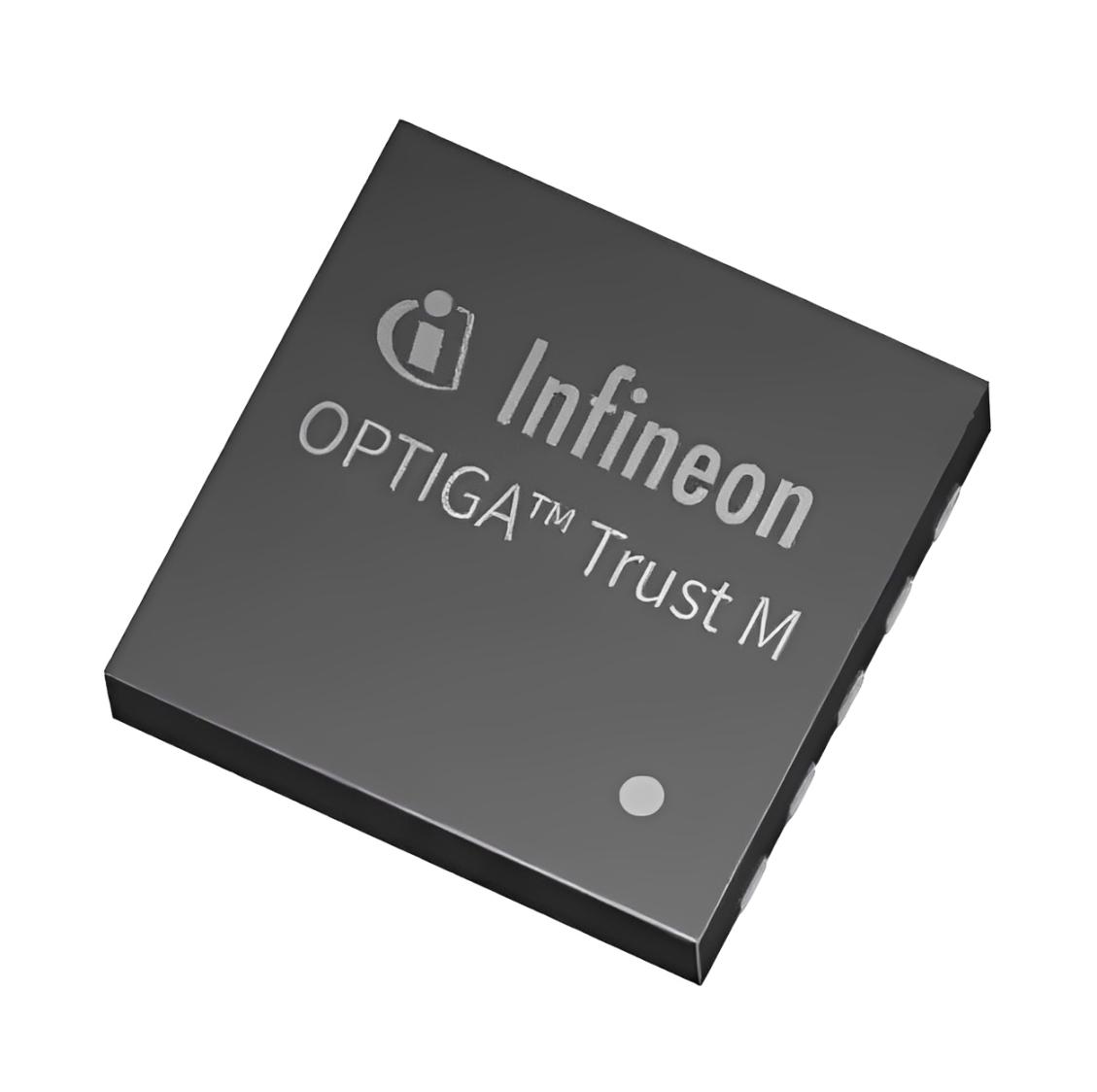
As electronics become more connected, intelligent and automated, trust is becoming a fundamental part of system design. Devices must now verify who they communicate with, confirm that data has not been altered and prevent unauthorised hardware from entering sensitive environments.
Security & Authentication Chips are designed to support this need by providing a dedicated hardware layer for identity verification, cryptographic processing and secure credential storage. Instead of depending entirely on software-based security, these devices allow important protection mechanisms to operate inside specialised semiconductor hardware.
Why Are Security & Authentication Chips Important for Digital Trust?
Security & Authentication Chips help electronic products establish confidence between devices, components and digital services. They can store protected identities, manage cryptographic keys and perform secure calculations that allow systems to determine whether another device should be trusted.
This is especially valuable in connected environments where equipment may communicate automatically without human supervision. A sensor sending information to a cloud platform, for example, needs a reliable method to prove that it is genuine before the receiving system accepts its data.
Hardware-based trust can help reduce exposure to:
- Device impersonation
- Unauthorised system access
- Counterfeit hardware
- Stolen cryptographic credentials
- Modified firmware
- Data manipulation
- Untrusted accessories
These capabilities make authentication chips useful across both consumer and industrial electronics.
How Do Security Chips Establish a Root of Trust?
A root of trust is a secure foundation used to determine whether other elements within a system can be trusted.
In many electronic designs, the security chip acts as that foundation by storing information that cannot easily be copied or altered. This may include private keys, certificates, unique identifiers or protected configuration data.
When the system starts or communicates with another device, it can use this protected information to verify identity and integrity.
Why Is a Hardware Root of Trust Useful?
A software-only system may depend on memory areas or operating environments that could potentially be modified. A hardware root of trust provides a separate location where critical credentials and security operations can remain isolated.
This creates a stronger starting point for secure boot, encrypted communication and device authentication.
It also allows designers to separate highly sensitive security functions from ordinary processing tasks.
How Can Authentication Chips Protect Device Provisioning?
Provisioning is the process of preparing a device with the identities, credentials and security information it needs before deployment.
This stage is critical because poorly protected credentials can create vulnerabilities before the product even reaches the customer.
Authentication chips can support secure provisioning by allowing manufacturers to programme identities and cryptographic information into protected memory during production.
Typical provisioning data may include:
- Unique device identifiers
- Encryption keys
- Digital certificates
- Manufacturer credentials
- Access permissions
- Secure configuration values
Once stored, this information can be used throughout the operating life of the product.
How Do Security Chips Help Prevent Device Cloning?
Device cloning occurs when an unauthorised product attempts to copy the identity or behaviour of a genuine device.
This can be a significant concern in applications where equipment, accessories or modules must be trusted before they are allowed to operate.
A security chip can make cloning more difficult by keeping unique credentials inside protected hardware.
When a host system requests authentication, the chip performs a cryptographic calculation based on its internal secret. A cloned device that does not possess the same protected credentials cannot easily reproduce the correct result.
Where Is Anti-Cloning Protection Most Useful?
Anti-cloning features can provide value in many product categories, including:
- Industrial control modules
- Smart accessories
- Battery packs
- Medical peripherals
- Electronic consumables
- Communication modules
- Automotive components
- Proprietary sensors
This allows manufacturers to verify that critical connected components are legitimate.
How Can Security Chips Support Data Confidentiality?
Authentication is not the only function these devices can provide. Many security ICs also support encryption technologies that protect information from unauthorised access.
When data is encrypted, it is transformed into a form that cannot be easily interpreted without the correct cryptographic key.
Security hardware can help protect those keys while also performing encryption and decryption operations internally.
This is valuable for applications that transmit confidential data across networks or store sensitive information locally.
What Role Do Digital Signatures Play in Secure Electronics?
Digital signatures can help prove both the origin and integrity of information.
A device can use a private key to generate a signature associated with a message, firmware file or command. Another system can then verify the signature using the corresponding public key.
If the data has been changed, the verification process should fail.
This makes digital signatures useful for:
- Firmware validation
- Secure software updates
- Device authentication
- Trusted commands
- Certificate verification
- Protected data exchange
Security chips can perform these functions while keeping private keys protected inside hardware.
How Do Authentication Chips Improve Secure Firmware Updates?
Modern devices often receive firmware updates after deployment. These updates may introduce new features, fix bugs or address security vulnerabilities.
However, allowing any firmware file to be installed can create significant risk.
Security chips can help verify that an update comes from an authorised source before installation begins.
The system may check a cryptographic signature associated with the firmware package. If the signature is valid, the update can proceed. If it is incorrect or missing, the system can reject the file.
This can reduce the likelihood of unauthorised software being installed.
Why Are Security Chips Valuable in Industrial IoT Systems?
Industrial IoT environments often contain large numbers of connected sensors, controllers and monitoring devices.
These systems may operate remotely and exchange data automatically, which makes reliable authentication particularly important.
Security chips can give each device a unique identity that allows gateways or cloud platforms to determine whether communication comes from approved hardware.
They may also protect information related to production, maintenance and machine performance.
How Can Authentication Hardware Strengthen Supply Chain Security?
Electronic supply chains can involve manufacturers, distributors, contract assemblers and multiple component suppliers.
Authentication technology can create an additional way to verify whether products and components are genuine.
Manufacturers can integrate unique cryptographic identities into devices during production. Later, distributors, service centres or host systems can verify those identities electronically.
This can improve traceability and reduce the risk of unauthorised components being introduced into critical systems.
What Technical Features Should Engineers Compare?
Selecting a security IC requires careful evaluation because different applications have different security requirements.
Engineers should consider:
- Supported cryptographic algorithms
- Secure-memory capacity
- Number of protected key slots
- Communication interfaces
- Operating voltage
- Package size
- Power consumption
- Temperature rating
- Provisioning options
- Certificate support
- Random-number generation
- Firmware integration requirements
The right device should fit both the security architecture and the practical constraints of the electronic design.
How Can Secure Hardware Support Long-Term Product Protection?
Security requirements do not end when a product leaves the factory. Connected devices may remain in operation for many years.
A strong security architecture should therefore consider the complete lifecycle of the product.
Authentication chips can help by protecting identities, supporting secure updates and enabling continued verification throughout deployment.
Some devices may also support credential replacement or controlled key management, allowing security information to evolve over time.
Why Will Security & Authentication Chips Become More Important in Future Designs?
The future of electronics will involve greater connectivity between machines, sensors, vehicles, infrastructure and cloud services. These systems will increasingly need to make automated trust decisions without direct human involvement.
Security & Authentication Chips provide a practical way to establish that trust at the hardware level. By securing device identities, protecting cryptographic keys, validating firmware and reducing the risk of cloning, they can strengthen the entire security architecture of connected products.
As cybersecurity becomes a standard engineering requirement rather than an optional feature, dedicated authentication hardware is likely to become a core element of reliable electronic design.

 English
 French
 Spanish
 Portuguese
 Deutsch
 Turkish
 Dutch
 Italiano
 Russian
 Romaian
 Portuguese (Brazil)
 Greek