


The Role of Multi-Camera Recording in Professional Corporate Video Production
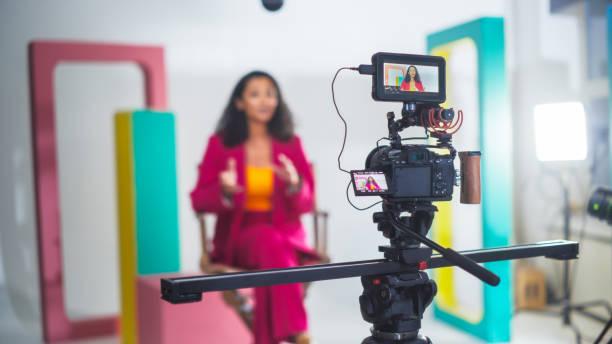
Corporate videos have become a major part of how businesses communicate with customers, employees, and partners. From executive interviews and product demonstrations to training sessions and company events, video helps people understand information without having to sit through lengthy presentations. An Austin video production company can use multi-camera recording to make these videos more engaging, natural, and professionally structured. Instead of relying on one camera angle for the entire recording, multiple cameras capture different perspectives at the same time. It sounds like a simple change, but the difference in the final video can be substantial. Viewers get a better sense of the conversation, the production feels more dynamic, and editors have more options when putting everything together. And honestly, that flexibility matters when businesses want content that looks professional without making the recording process overly complicated.
What Multi-Camera Recording Actually Involves
Multi-camera recording is exactly what it sounds like. Several cameras are positioned around a recording environment, each capturing a different angle or part of the action. For example, one camera might focus on the main speaker, another captures a wider shot of the room, and a third records a close-up for more detailed moments. These cameras usually operate simultaneously, which means the production team doesn't need to repeat every conversation or presentation just to capture another angle. This approach is particularly useful for corporate interviews, panel discussions, webinars, and internal communications. The camera positions are planned before recording begins, considering the room layout, lighting, subject movement, and the type of content being produced. It is not about putting cameras everywhere. Each angle needs a purpose.
Keeping Corporate Videos Visually Engaging
Let's be real, watching someone speak directly into a camera for ten minutes can become boring, even when the information is valuable. Multi-camera setups help break that visual monotony. Editors can switch between wide shots, medium shots, and close-ups to keep the viewer's attention moving naturally. During a presentation, a wide angle might establish the setting, while a closer shot highlights the speaker's expression when discussing an important point. These subtle changes make the content feel less static. This is especially helpful for corporate training videos, leadership messages, and educational content where viewers need to stay focused for longer periods. The information hasn't changed, but how it is presented makes a real difference. Good camera coverage can turn a basic recording into something people are actually willing to watch.
Capturing Natural Conversations and Interviews
Interviews are one of the most common uses of multi-camera video production. When two people are speaking, having separate cameras for each participant along with a wider establishing shot gives editors much more control. They can cut between the interviewer and the guest without interrupting the flow of conversation. That also means the participants don't need to stop and repeat answers because of camera adjustments. Truth is, people often become more comfortable once they forget about the equipment around them. A multi-camera setup helps create that environment because the conversation can continue naturally while the production team captures different perspectives. Businesses can use this format for executive interviews, employee testimonials, customer success stories, and industry discussions. The finished video feels more like an actual conversation, rather than a scripted presentation.
Improving Efficiency During Corporate Video Production
Time is usually a major concern during corporate filming. Executives have busy schedules, employees cannot always spend hours on camera, and company events often have a fixed timeline. Multi-camera recording can help reduce production time because several angles are captured in one session. Instead of recording the same scene repeatedly, the production team gets multiple perspectives in a single take. This is particularly useful for conferences, product launches, training workshops, and live presentations. Of course, setting up multiple cameras takes additional planning, and the crew needs to coordinate framing, exposure, focus, and audio properly. But once everything is ready, the recording process tends to run more smoothly. Businesses get more usable footage from the time they have available, which can be a practical advantage when production schedules are tight.
How Multiple Camera Angles Improve Editing Flexibility
Editing is where multi-camera recording really starts to show its value. With several synchronized camera feeds, editors can choose the best angle for each moment, hide small mistakes, and create smoother transitions between different sections of a video. If a speaker pauses awkwardly, looks away, or makes a minor mistake, the editor may be able to cut to another camera angle while keeping the audio continuous. This doesn't mean every problem disappears. Poor audio or a major recording issue still needs attention. But having additional footage gives editors more choices than a single-camera recording ever could. It also makes it easier to create different versions of the same content. A full presentation might become a shorter promotional video, a series of training clips, or social media content without requiring another filming session.
Supporting Professional Branding and Visual Consistency
Corporate videos represent a business, so visual quality isn't just about looking attractive. It also influences how viewers perceive the company. Multi-camera recording allows production teams to create a more consistent and polished visual experience when camera settings, lighting, and composition are carefully managed. Each camera needs to match the others in color, brightness, and overall appearance. Otherwise, switching between angles can feel distracting. Professional video crews pay attention to these details, especially when filming in studios or corporate offices where the company wants a recognizable visual style. Backgrounds, framing, lighting placement, and camera movement all play a role. The goal isn't to make every shot look identical, but to make the different angles feel like they belong in the same production. That's a small detail viewers may not consciously notice, yet it helps the entire video feel more credible.
Multi-Camera Production for Podcasts and Business Content
Businesses are also using video podcasts to share expertise, discuss industry trends, and build stronger connections with their audiences. Multi-camera recording is a natural fit for this format because podcast conversations often involve multiple speakers, reactions, and changing topics. A wide camera captures the entire discussion, while individual cameras focus on each participant. Editors can then highlight reactions, emphasize important statements, and create shorter clips for different platforms. A b2b podcast agency may also help businesses develop podcast content strategies, coordinate production, and turn long-form recordings into marketing assets. However, good podcast production still comes down to more than cameras. Clear audio, comfortable speakers, thoughtful lighting, and a well-planned discussion are equally important. When all these elements work together, businesses can produce content that feels informative without becoming overly formal or sales-driven.
Conclusion: Making Corporate Videos More Effective
Multi-camera recording has become an important part of professional corporate video production because it offers flexibility, improves visual storytelling, and makes recording sessions more efficient. Whether a company is filming interviews, presentations, training materials, podcasts, or live events, multiple camera angles provide opportunities to create more engaging content. The setup requires proper planning, technical coordination, and experienced editing, but the results are often worth the effort. Businesses don't need to use complicated camera movements or flashy effects to make their videos stand out. Sometimes, a well-framed close-up, a wider perspective, and a smooth transition between shots are enough. The short answer is that multi-camera production gives businesses more control over how their message is delivered, and that can make their corporate videos far more effective.

 English
 Arabic
 French
 Spanish
 Deutsch
 Turkish
 Dutch
 Italiano
 Russian
 Romaian
 Portuguese (Brazil)
 Greek