


What Happens When Security Goes Digital? The Business Value of a Cloud-Based Security Platform
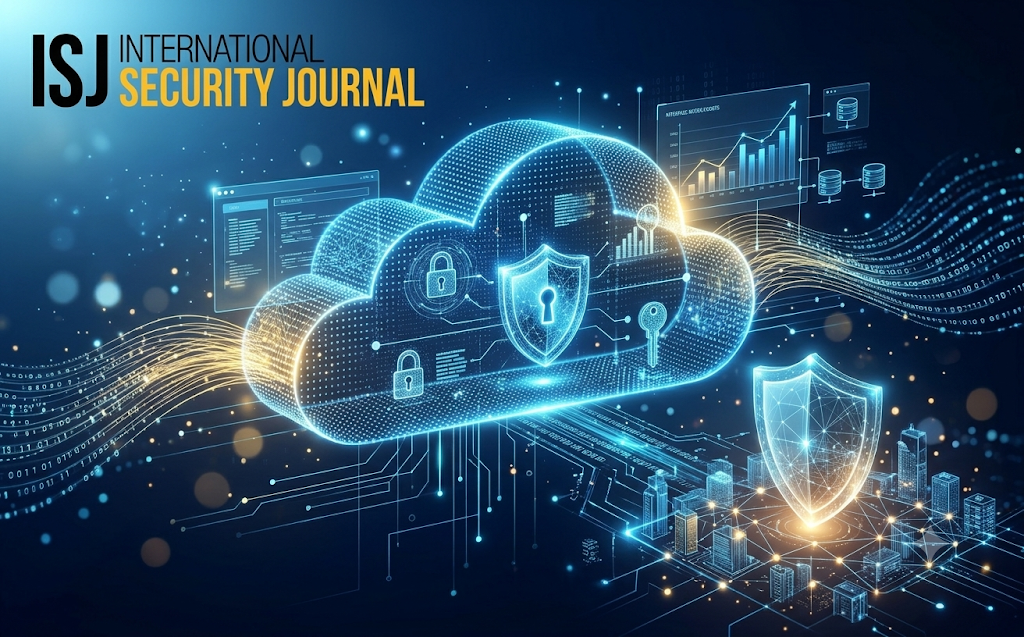
Digital transformation is reshaping how organisations oversee business processes, workforce activities, infrastructure and security operations. Many businesses are embracing connected technologies to streamline workflows, minimise repetitive tasks and gain greater visibility into operational performance.
Security operations are also evolving alongside these technological changes. Although conventional security systems remain valuable for protecting people, property and assets, isolated solutions can create administrative challenges, limit information sharing and make coordination more complex across expanding business environments.
Adopting a cloud-based security platform allows businesses to bring compatible security devices, management capabilities and operational data together through a unified digital interface. This can simplify day-to-day management, support faster decision-making and improve operational flexibility, while requiring organisations to address evolving concerns around cybersecurity, privacy and service availability.
Evaluating the business benefits of cloud-managed security involves understanding how these solutions can enhance operational efficiency, optimise resources, strengthen incident response and support scalable security infrastructure over time.
Moving from Manual Processes to Digital Operations
Many security operations depend on manual administrative tasks.
Security professionals may need to update access permissions, review camera footage, prepare incident reports, check device status and coordinate maintenance across different systems.
When these tasks are performed through disconnected interfaces, administrative work can become unnecessarily complicated.
Digital security management can simplify some of these activities by providing a connected environment for supported functions.
For example, authorised administrators may be able to manage access permissions remotely, review alerts through a dashboard and monitor device status without visiting each location.
A cloud-based security platform can help reduce repetitive administrative processes, allowing security professionals to focus on more important operational responsibilities.
The objective is not to remove human involvement but to make security work more organised and efficient.
Reducing Administrative Complexity
Administrative complexity can become a significant operational challenge when security systems expand.
Organisations may operate different monitoring applications, separate user databases and independent reporting processes.
This can create additional work for administrators and make it difficult to maintain consistent procedures.
Centralised management can help consolidate supported functions, reducing the need to navigate several systems for routine tasks.
For example, security administrators may be able to review access activity, manage users and assess device health through a single management interface.
A cloud-based security platform may simplify these responsibilities by bringing relevant information together.
Businesses should nevertheless evaluate whether the platform genuinely reduces administrative work. A complicated interface, excessive notifications or poorly designed workflows may create new operational problems.
Supporting Better Resource Allocation
Security teams frequently work with limited resources.
Organisations must balance personnel requirements, equipment maintenance, training, infrastructure costs and operational priorities.
Connected security information can help administrators identify areas where resources may need attention.
For example, repeated equipment failures may indicate a maintenance requirement. Frequent incidents in a particular location may suggest that security procedures need improvement.
Reports and dashboards can help managers review operational patterns and make more informed decisions about staffing, maintenance and security investments.
A cloud-based security platform may support resource allocation by providing information that helps organisations identify operational needs.
However, reports should be interpreted carefully. Data alone does not explain every incident, and operational decisions should consider context, professional judgement and site-specific conditions.
Improving Incident Response Coordination
Effective incident response depends on timely information, clear responsibilities and appropriate communication.
When security systems operate independently, incident investigation may require collecting information from several sources.
Connected systems can help make relevant information more accessible, allowing authorised personnel to review alerts, access records and surveillance information.
This may improve coordination between security teams, facility managers and other stakeholders.
For example, a facility manager investigating an access anomaly may be able to review associated records and communicate findings through an established incident workflow.
A cloud-based security platform can support incident coordination when it provides suitable alert management, reporting, integration and documentation capabilities.
Organisations should establish clear escalation procedures to ensure that alerts lead to appropriate actions.
Supporting Business Continuity
Business continuity depends on an organisation's ability to maintain or restore important operations during disruptions.
Security infrastructure may contribute to continuity by helping businesses monitor facilities, identify incidents and maintain operational awareness.
Cloud-managed systems can support remote administration, but organisations must also consider potential service disruptions.
Internet connectivity failures, power interruptions, device malfunctions and cloud service outages may affect certain security functions.
Businesses should understand which capabilities remain available during disruptions.
For example, some systems may continue local recording or access control operations while cloud connectivity is unavailable. Others may depend more heavily on external connectivity.
A cloud-based security platform should be evaluated according to its resilience, recovery procedures, backup options and service availability commitments.
Organisations should test contingency plans regularly rather than assuming that connected systems will always remain accessible.
Improving Security Information Management
Security operations generate considerable amounts of information.
Video footage, access records, alerts, incident reports, maintenance records and system logs may all contribute to security management.
When information is organised effectively, it can support incident investigation, operational reporting and compliance activities.
Cloud-managed environments may provide centralised storage, searchable records, configurable retention policies and reporting capabilities.
These functions can help security teams locate information more efficiently, depending on the platform's design.
A cloud-based security platform should provide appropriate information management capabilities while protecting sensitive records.
Organisations must consider privacy, data retention, authorised access, deletion procedures and regulatory requirements.
Security information should be retained according to legitimate operational needs and applicable policies.
Supporting Digital Transformation Without Replacing Everything
Modernising security infrastructure does not necessarily require replacing every existing device.
Businesses may have cameras, access controllers and monitoring equipment that remain functional and suitable for their operational requirements.
Integration capabilities can allow organisations to introduce cloud-managed functions while retaining compatible equipment.
This may support gradual modernisation and reduce the disruption associated with replacing an entire security infrastructure.
However, compatibility should be assessed carefully. Older devices may lack required features, security updates or integration support.
A cloud-based security platform should be selected according to existing infrastructure, future requirements and the organisation's ability to manage the transition.
Phased deployments may provide opportunities to evaluate performance and adjust implementation plans before expanding.
Measuring Business Value
Organisations should establish measurable objectives before adopting cloud-managed security.
Possible indicators include administrative time, device downtime, incident investigation time, maintenance requirements, access management efficiency and the consistency of security reporting.
These measurements can help businesses understand whether a deployment is producing meaningful operational improvements.
For example, an organisation may evaluate whether remote administration reduces the time required to manage access permissions across several facilities.
Another business may focus on improving device health visibility or simplifying incident documentation.
A cloud-based security platform should deliver value that can be assessed against practical operational objectives.
Businesses should avoid relying exclusively on general claims about efficiency or automation when evaluating performance.
Training and Organisational Change
Technology adoption requires more than technical installation.
Security teams need to understand new workflows, administrative responsibilities, reporting tools and cybersecurity requirements.
Training should reflect the roles of different users. Administrators may need detailed configuration knowledge, while operators may require practical guidance on monitoring, incident handling and escalation procedures.
Organisations should also communicate changes to relevant stakeholders.
A cloud-based security platform can improve security administration, but its effectiveness depends on how people use it.
Regular training, feedback and operational reviews can help businesses identify issues and refine procedures.
Conclusion
Digital security transformation can help organisations simplify administrative responsibilities, improve visibility and support more coordinated operations.
Cloud-managed security technologies may provide benefits through centralised management, connected workflows, reporting capabilities and flexible administration.
However, successful adoption requires careful planning, cybersecurity safeguards, resilience testing, training and clear operational procedures.
Believes that security technology should support practical business objectives while helping organisations maintain responsible protection strategies. Professionals interested in evolving digital security approaches can explore related industry insights through International Security Journal.
FAQs
1. What is digital security transformation?
Digital security transformation involves modernising security processes and infrastructure through connected technologies, digital workflows, improved information management and more flexible administration.
2. How can cloud security improve business efficiency?
It may reduce administrative complexity, support remote management, improve device visibility and simplify access to relevant security information.
3. Can cloud security support business continuity?
It can support continuity through remote monitoring and administration, but organisations should evaluate backup capabilities, local operations and service disruptions.
4. How can businesses measure the value of cloud security?
Businesses can measure administrative time, equipment downtime, incident investigation efficiency, maintenance requirements and other indicators relevant to their operational goals.
5. Does digital security transformation require replacing existing infrastructure?
Not necessarily. Some cloud-managed solutions support compatible existing devices, allowing organisations to modernise gradually.

 Arabic
 French
 Spanish
 Portuguese
 Deutsch
 Turkish
 Dutch
 Italiano
 Russian
 Romaian
 Portuguese (Brazil)
 Greek