


Can Bathroom Wall Panels Withstand Direct Water Pressure?
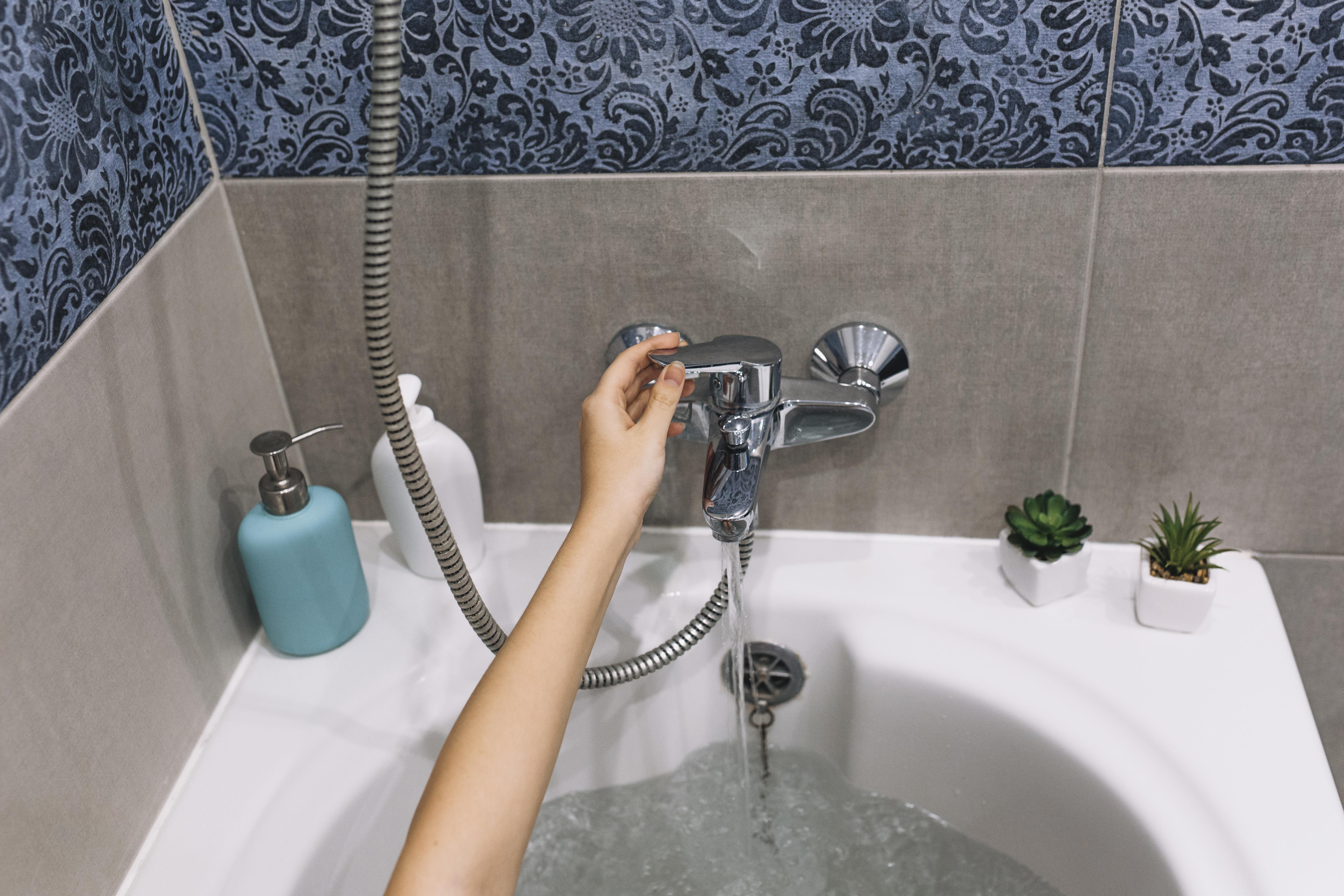
Anyone planning a shower wall will eventually ask this: if the water hits the panel straight from the shower head every day, will it cope? The short answer is yes for the panel surface, with some important conditions. A quality waterproof panel is designed for exactly this kind of daily soaking. What decides whether it lasts is rarely the water pressure itself. It is how the joints, edges and fixings are dealt with, and what lies behind the panel.
Here is how panels behave under a normal shower, where pressure can cause trouble, and what to check before you buy or fit.
What "Direct Water Pressure" Actually Means in a Bathroom
It helps to put the pressure in perspective. A domestic shower, even a powerful one, is a spray of droplets that spreads out and loses force quickly before it reaches the wall. Most panels sit a metre or more from the shower head, and the water hitting them is a gentle fall of droplets rather than a concentrated jet.
Most household showers run at pressures far lower than a pressure washer, and the impact on a panel is mild. What the surface mostly faces is repeated wetting, steam, temperature changes and cleaning, and a good panel is built for those.
The picture changes with some set-ups. Body jets, high-flow rainfall heads positioned close to the wall, and handheld showers aimed straight at a panel from short range deliver more concentrated water. Wet rooms and walk-in showers with no door or screen also expose more of the wall. None of these is a problem for a suitable panel, but they put more demand on the joints and sealant.
How Different Panel Materials Cope
Resistance to water depends on what the panel is made from, and products vary, so the manufacturer's specification is always the reference point.
- PVC panels are non-porous and unaffected by water on the surface. They are lightweight and common in showers, though the joints and edges need careful sealing, and thinner boards can flex if the wall behind is uneven.
- Acrylic panels have a smooth, hard surface that sheds water well and is generally easy to clean. They are typically used in larger sheets with fewer joints.
- Composite and laminate-faced boards vary. Many are made for wet areas and have a waterproof core and surface, but cut edges and fixing holes need proper sealing, because a core that is exposed to water can absorb it.
- Standard decorative wall boards not rated for showers should not be used in direct spray zones. A product that suits a dry bathroom wall may swell or delaminate if it is soaked daily.
When you compare waterproof shower panels, check that the product is described as suitable for direct water contact, and read what the manufacturer says about the core material and the finish.
Where Water Pressure Actually Causes Problems
If a panel fails in a shower, the surface is rarely the culprit. Water gets in at the weak points, and direct spray tests them hardest.
- Joints between panels. A vertical joint takes direct spray and carries runoff downwards. If the sealant is thin, poorly bonded or has cracked, water gets behind the panel. Sealed joints, interlocking profiles and trims all depend on proper installation.
- The base junction. Where the panel meets the shower tray or bath, the joint carries the greatest volume of water and the most movement. This is the first place to look if something is going wrong.
- Corners. Internal and external corners are exposed to spray from two directions and are vulnerable to small movements in the wall. Corner trims combined with flexible sealant give the best protection.
- Fixing points and cut-outs. Holes for the shower valve, a niche or a pipe need to be sealed carefully. Water forced into a poorly sealed hole travels behind the panel.
- Cut edges. Where a panel has been trimmed to fit, the exposed edge needs the treatment the manufacturer specifies, whether sealant, a trim or an edge profile.
A well-installed panel can cope with spray all day. A badly sealed one can leak from an ordinary shower within weeks.
The Importance of the Wall Behind
Even a perfect panel can be undermined by the surface it is fixed to. Manufacturers generally recommend a flat, sound, dry substrate, and most advise against fitting over walls that are damp, crumbling or badly uneven.
Gaps behind the panel where adhesive coverage is patchy can also cause problems, because unsupported areas flex under pressure and stress the joints. Following the adhesive manufacturer's guidance on coverage and the panel supplier's instructions on preparation makes a real difference to how a panel holds up.
If you suspect damp in the wall already, deal with the cause before covering it. A panel will hide a damp problem but it will not cure one.
Choosing a System for Higher-Pressure Showers
If your shower has body jets, a large rainfall head or a wet room layout, it is worth being more selective. Look at how the whole system handles water, not only the panel face. Features that help include larger boards with fewer joints, purpose-made corner and edge trims, a sealed connection to the tray or floor and clear manufacturer guidance on wet-zone installation.
Comparing Best Shower Panel Systems can show how different designs handle joints and trims, which is where most of the waterproofing work happens. It is also worth asking a supplier such as Floors To Walls whether a particular range suits your shower set-up, since they can advise on the fixings, adhesives and sealants they recommend.
Where the layout is unusual, or you have concerns about the wall, a qualified installer can assess the situation before you commit.
Looking After Panels in a High-Use Shower
Regular care keeps the waterproofing working. Check the sealant at the tray junction and the corners once a month, looking for cracks, lifting edges or dark staining that does not wipe away. Replace failing sealant early, removing the old bead fully and applying new silicone to a clean, dry joint.
Wipe or squeegee the panels after showering, and run the extractor fan so the room dries out. These habits reduce the time joints spend wet, which is the best protection against slow deterioration.
Conclusion
Bathroom wall panels designed for showers can withstand the water pressure of a normal domestic shower without difficulty. The surface is rarely the weak point. What matters is the quality of the joints, the sealing at the base, corners and fixings, and the condition of the wall behind.
Before buying, confirm that the panel is rated for direct water contact, and consider how many joints your layout will create. After fitting, make a monthly check of the sealant a habit, starting with the line where the panels meet the tray. A few minutes spent there is a good deal cheaper than repairing what water can do behind the surface.

 English
 Arabic
 French
 Spanish
 Portuguese
 Deutsch
 Turkish
 Dutch
 Russian
 Romaian
 Portuguese (Brazil)
 Greek