


Is Your Business Ready for Commercial Solar Panels in Melbourne?
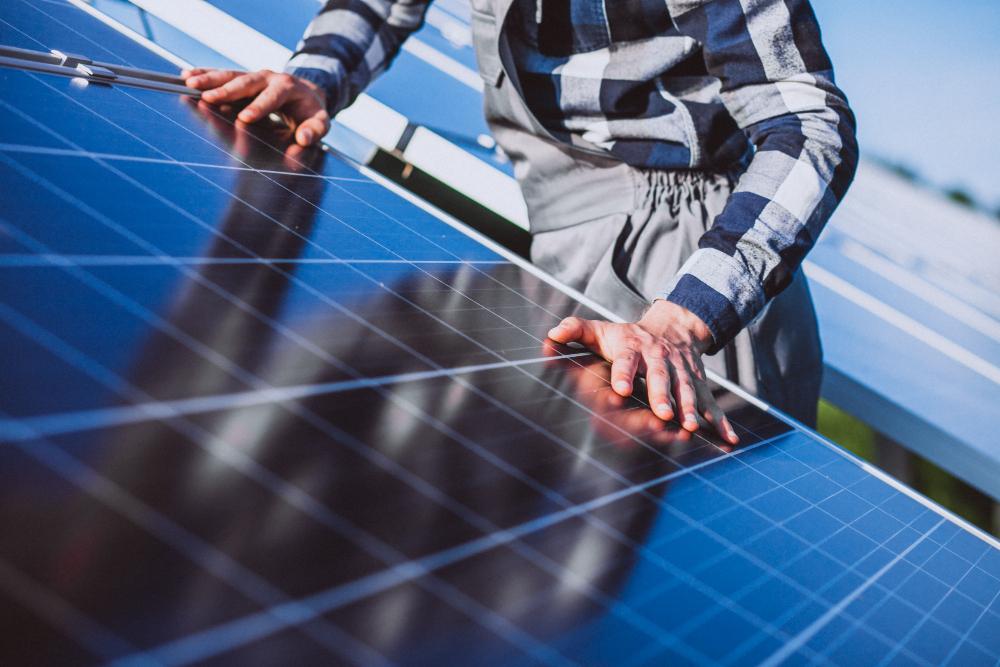
For many businesses, energy is one of the most important ongoing operational expenses. From offices and warehouses to retail spaces, workshops, and commercial facilities, electricity is essential for keeping daily operations running smoothly. As energy needs continue to grow, businesses are looking for practical ways to improve efficiency while becoming more environmentally responsible.
Commercial Solar Panels Melbourne can provide a practical way for businesses to generate renewable electricity directly from their properties. However, installing a solar system is not simply about placing panels on a roof. Before making a decision, it is important to consider your business's energy usage, available roof space, operating schedule, and long-term goals.
Understand Your Business Energy Usage
The first step toward going solar is understanding how your business uses electricity. Look at your electricity consumption throughout the day, week, and year. Businesses that operate mainly during daylight hours may be well positioned to use solar energy as it is generated.
Consider equipment, lighting, heating and cooling systems, computers, machinery, refrigeration, and other electrical appliances that contribute to your overall consumption. Understanding these patterns can help determine whether solar generation could support your everyday operations effectively.
Check Your Available Roof Space
Your commercial property needs suitable space for a solar installation. A roof with good exposure to sunlight can provide an excellent location, but not every roof is suitable. Nearby buildings, trees, structures, and other obstacles may create shade and reduce solar generation.
The condition and structure of the roof should also be considered. If major repairs or replacement work may be required soon, addressing these issues before installation can make the overall process more practical.
Consider Your Operating Hours
Your business schedule plays an important role in determining how useful solar power can be. Businesses that operate during the day may directly consume a significant portion of the electricity generated by their solar system.
If your business operates mostly in the evening or overnight, your energy strategy may need additional consideration. Understanding when electricity is generated and when your business needs it can help you plan a system that better matches your operational requirements.
Review Your Current Energy Needs
A business that is expanding may have very different energy requirements in the future compared with today. New machinery, additional workspaces, upgraded technology, electric vehicles, or extended operating hours could increase electricity demand.
When considering solar, think beyond your current usage. A forward-looking approach can help ensure that your energy system supports your business as it grows rather than being designed only around today's requirements.
Think About Solar System Performance
Solar panels are designed to generate electricity from sunlight, but their performance can vary depending on factors such as orientation, roof angle, shading, weather conditions, and system design.
A professional assessment can help identify the most appropriate placement and configuration for your property. It is also important to consider the quality of installation, monitoring capabilities, maintenance requirements, and expected system performance over time.
Consider Your Long-Term Business Goals
Solar energy can be more than an energy decision. It can support broader business objectives related to sustainability, operational efficiency, and responsible resource use.
Businesses increasingly want to demonstrate practical environmental action to customers, employees, suppliers, and other stakeholders. Generating renewable electricity on-site can become part of a wider sustainability strategy while helping the business make better use of its available property.
Prepare for the Installation Process
Before installation begins, businesses should understand how the project may affect normal operations. Commercial properties can have complex layouts, safety requirements, access limitations, and operational schedules that need to be considered.
Planning ahead can help reduce disruption. Discussing installation access, working hours, equipment placement, safety procedures, and system monitoring before work begins can make the transition smoother for employees and customers.
Is Your Business Ready?
If your business has suitable roof space, consistent electricity demand, and a long-term approach to energy management, solar may be worth considering. The right solution depends on your property's characteristics, electricity consumption, operating schedule, and future plans.
Taking time to assess these factors before installation can help you make a confident and informed decision. With thoughtful planning and professional guidance, solar energy can become a valuable part of a modern business's approach to managing electricity and supporting a more sustainable future.


 English
 Arabic
 French
 Spanish
 Portuguese
 Deutsch
 Turkish
 Dutch
Dutch
 Russian
 Romaian
 Portuguese (Brazil)
 Greek
Greek