


Do Eggs Cause Constipation? Digestive Effects and What You Should Know
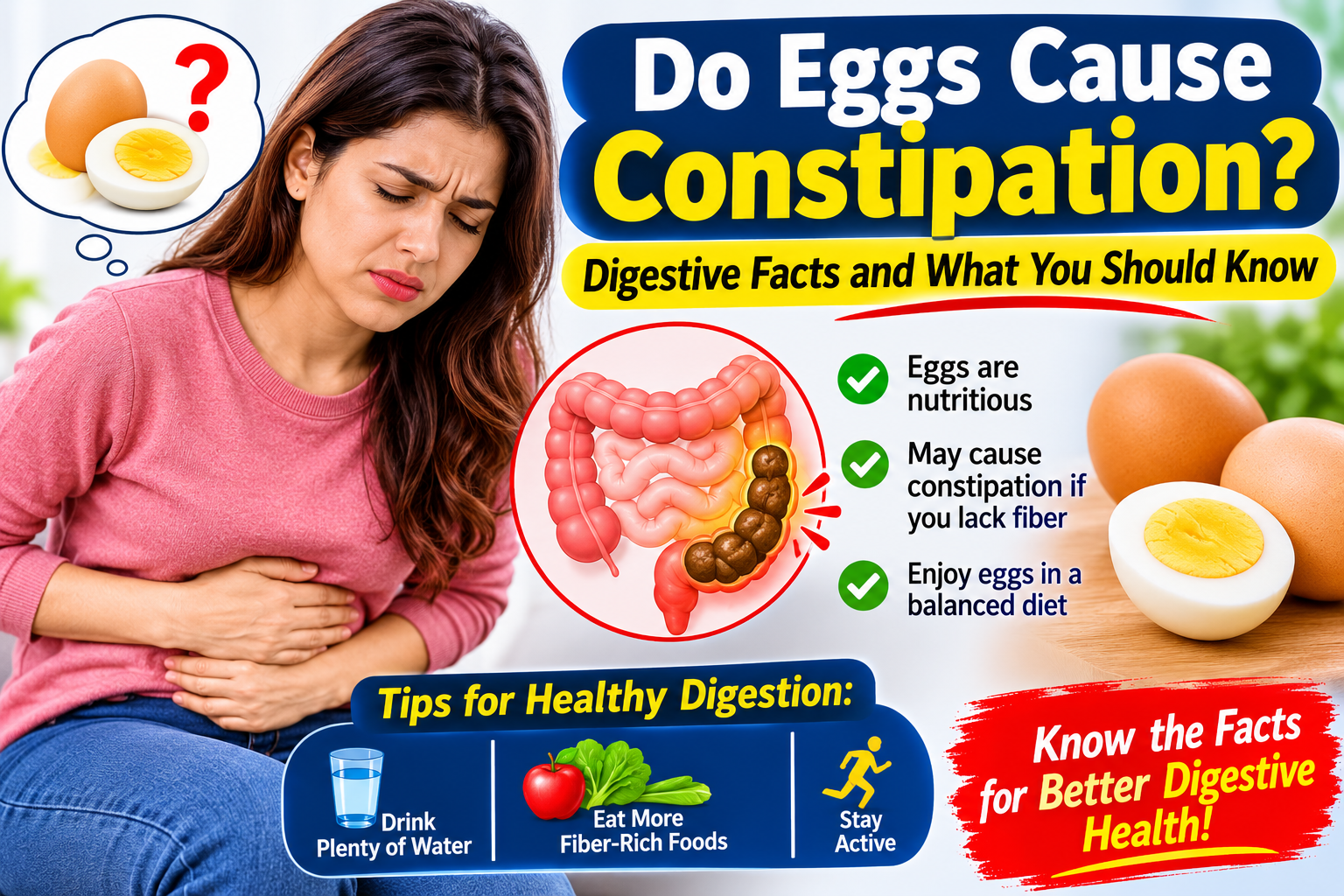
While eggs themselves do not directly block bowel movements, eating them frequently without fiber-rich sides can slow down your digestive tract. Asking do eggs cause constipation is common when tracking digestive slowdowns after dietary changes.
Practical Ways to Eat Eggs Without Constipation
-
Pair with high-fiber vegetables: Scramble eggs with spinach, bell peppers, tomatoes, mushrooms, or onions to add essential dietary roughage.
-
Choose whole-grain sides: Serve boiled or poached eggs with 100% whole-wheat toast, oatmeal, or a side of fresh berries instead of refined white bread.
-
Increase daily water intake: Drinking plenty of water throughout the day helps fiber soften stool and move smoothly through the colon.
-
Stay physically active: Light daily movement, such as a 15-minute walk after breakfast, stimulates natural intestinal contractions.
Key Facts About Eggs and Digestion
-
Zero dietary fiber: Eggs are high in protein and healthy fats, but they contain zero grams of the insoluble and soluble fiber needed to add bulk to stool.
-
Slow stomach emptying: Protein- and fat-dense foods take longer to digest, which can temporarily slow gastric motility if your meal lacks roughage.
-
Common meal pairings: Eggs are often eaten alongside low-fiber foods like white toast, bacon, sausage, and cheese, compounding the risk of sluggish bowels.
-
Food sensitivity factor: In rare cases, an undiagnosed egg intolerance or mild allergy can trigger digestive symptoms, including bloating and constipation.
Habits to Avoid When Feeling Backed Up
-
Overloading on dairy and processed meats: Combining eggs with heavy cheddar cheese, bacon, or fried hash browns adds excess fat with minimal fiber.
-
Ignoring the urge to go: Delaying bowel movements allows the colon to absorb more water from stool, making it harder and more difficult to pass.
-
Relying solely on low-carb meals: Strict high-protein, low-carbohydrate diets often restrict fruits, whole grains, and legumes, leading to chronic constipation.
Warning Signs Requiring Medical Care
-
Severe abdominal pain or cramping: Intense, worsening belly pain paired with an inability to pass gas requires prompt medical evaluation.
-
Rectal bleeding or black stools: Blood in the toilet bowl, on tissue, or dark, tarry stools warrant urgent assessment by a healthcare provider.
-
Persistent nausea or vomiting: Vomiting alongside prolonged constipation may indicate a bowel obstruction needing immediate care.
-
Constipation lasting over two weeks: Bowel changes that do not improve with hydration and dietary fiber should be evaluated by a physician.
Balancing protein-rich foods like eggs with plenty of water and fiber-rich vegetables keeps your digestive system moving comfortably. If severe abdominal pain, persistent vomiting, or rectal bleeding occurs alongside constipation, seek immediate medical evaluation from trusted providers like ER of Fort Worth.

 English
 Arabic
 French
 Spanish
 Portuguese
 Turkish
 Dutch
 Italiano
 Russian
 Romaian
 Portuguese (Brazil)
 Greek