


Planning Safe Working at Height in Construction Projects
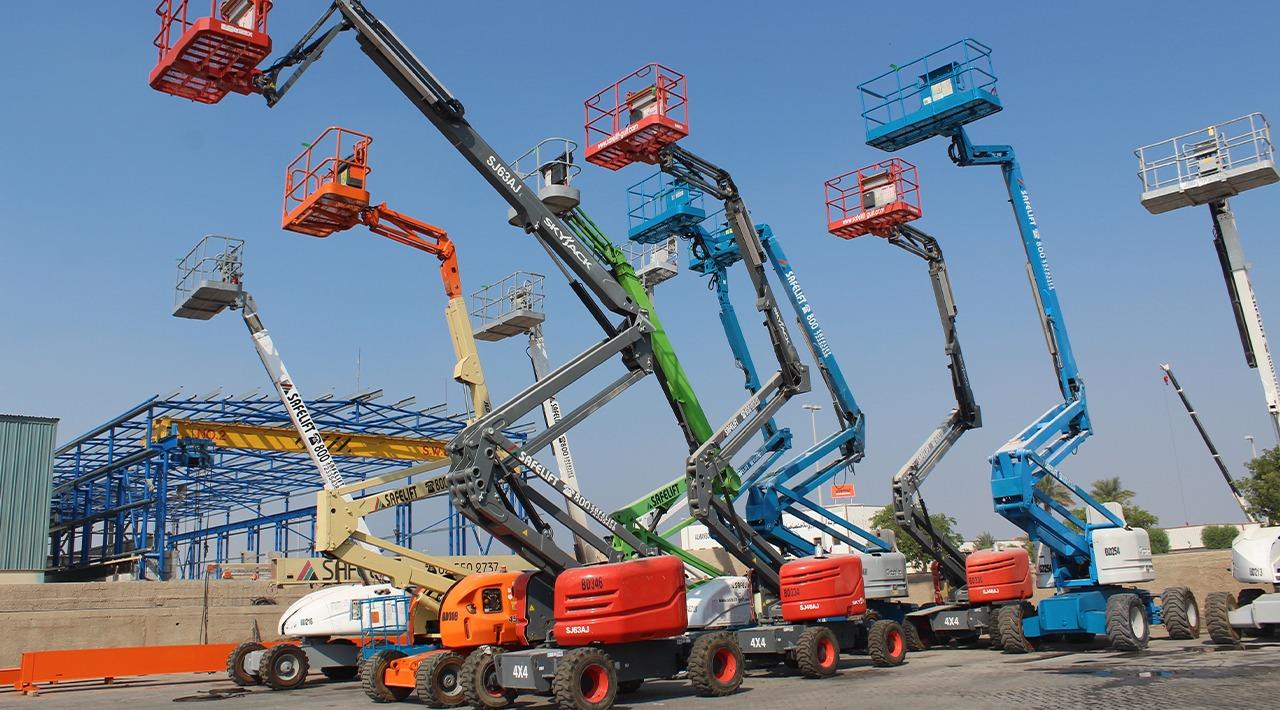
Construction projects frequently involve activities that must be completed above ground level. Workers may need to install building components, inspect structures, maintain services or carry out finishing work at elevated positions.
These tasks require careful planning because working at height involves hazards that can affect operators, other workers and people around the site.
Powered access equipment can provide a suitable working platform for many elevated tasks, but selecting the correct machine is only one part of a safe work plan.
Understand the Work Before Selecting Equipment
Before arranging access equipment, project teams should identify the exact task and the conditions in which it will take place.
Important questions include:
-
At what height will the work be completed?
-
Is horizontal outreach required?
-
Will the machine operate indoors or outdoors?
-
What are the ground conditions?
-
Are there overhead obstructions?
-
How much space is available?
-
What tools and materials need to be carried?
-
Who will operate the machine?
These details help determine whether a scissor lift, articulating boom lift or telescopic boom lift may be appropriate.
Selecting Suitable Powered Access Equipment
Different access machines are designed for different applications.
Scissor Lifts
Scissor lifts provide mainly vertical access and may be suitable for installation, maintenance and construction tasks where the work area is directly above the machine.
Explore scissor lift rental options for more information.
Articulating Boom Lifts
Articulating boom lifts use jointed boom sections to position the platform around certain obstacles within the machine's operating envelope.
They may be considered for maintenance and construction tasks where additional positioning flexibility is needed.
Telescopic Boom Lifts
Telescopic boom lifts use extending boom sections to provide more direct outreach. They may suit outdoor projects where the working position is located at a distance from the machine's base.
The machine's specifications and working envelope should always be checked before use.
Carry Out a Site Risk Assessment
A risk assessment should identify hazards associated with the task, equipment and surrounding environment.
Potential hazards may include:
-
Unstable or unsuitable ground.
-
Overhead structures and obstructions.
-
Nearby electrical installations.
-
Moving vehicles and site traffic.
-
Pedestrians near the operating area.
-
Falling objects.
-
Weather conditions affecting outdoor operations.
-
Restricted access and limited manoeuvring space.
Suitable controls should be established before work begins. These may include exclusion zones, traffic management, supervision and emergency arrangements.
Pre-Use Checks and Equipment Familiarisation
Before operating a powered access machine, the operator should carry out the required pre-use checks in accordance with the manufacturer's instructions and site procedures.
Checks should include relevant controls, safety devices, tyres, platform condition and other machine-specific components.
Operators must also be familiar with the equipment's controls, operating limits and emergency lowering procedures.
Why Operator Training Matters
Training helps operators understand how to use powered access equipment correctly. It can cover machine functions, hazard awareness, safe operating practices and emergency procedures.
IPAF training provides instruction for different categories of powered access equipment. The relevant category should match the machine being operated.
Access Rental Gulf offers IPAF training services for businesses seeking powered access training solutions in the Gulf region.
Plan the Work Area
A suitable work area should provide enough space for the machine to be positioned and operated safely.
Site teams should consider pedestrian movement, nearby equipment, overhead hazards, surface conditions and access routes. Other workers should be kept clear of hazardous operating areas through appropriate site controls.
For outdoor work, conditions such as wind and weather should also be assessed against the machine manufacturer's operating instructions.
Conclusion
Safe working at height requires planning, suitable equipment, trained operators and effective site controls. Construction teams should assess the task, understand machine limitations and establish appropriate safety procedures before using powered access equipment.
Access Rental Gulf supports businesses across the Gulf with powered access rental, equipment sales and IPAF training services.

 English
 Arabic
 French
 Spanish
 Deutsch
 Turkish
 Dutch
 Italiano
 Russian
 Romaian
 Portuguese (Brazil)
 Greek