


Third-Party Manufacturing: Benefits, Process & How to Choose the Right Partner
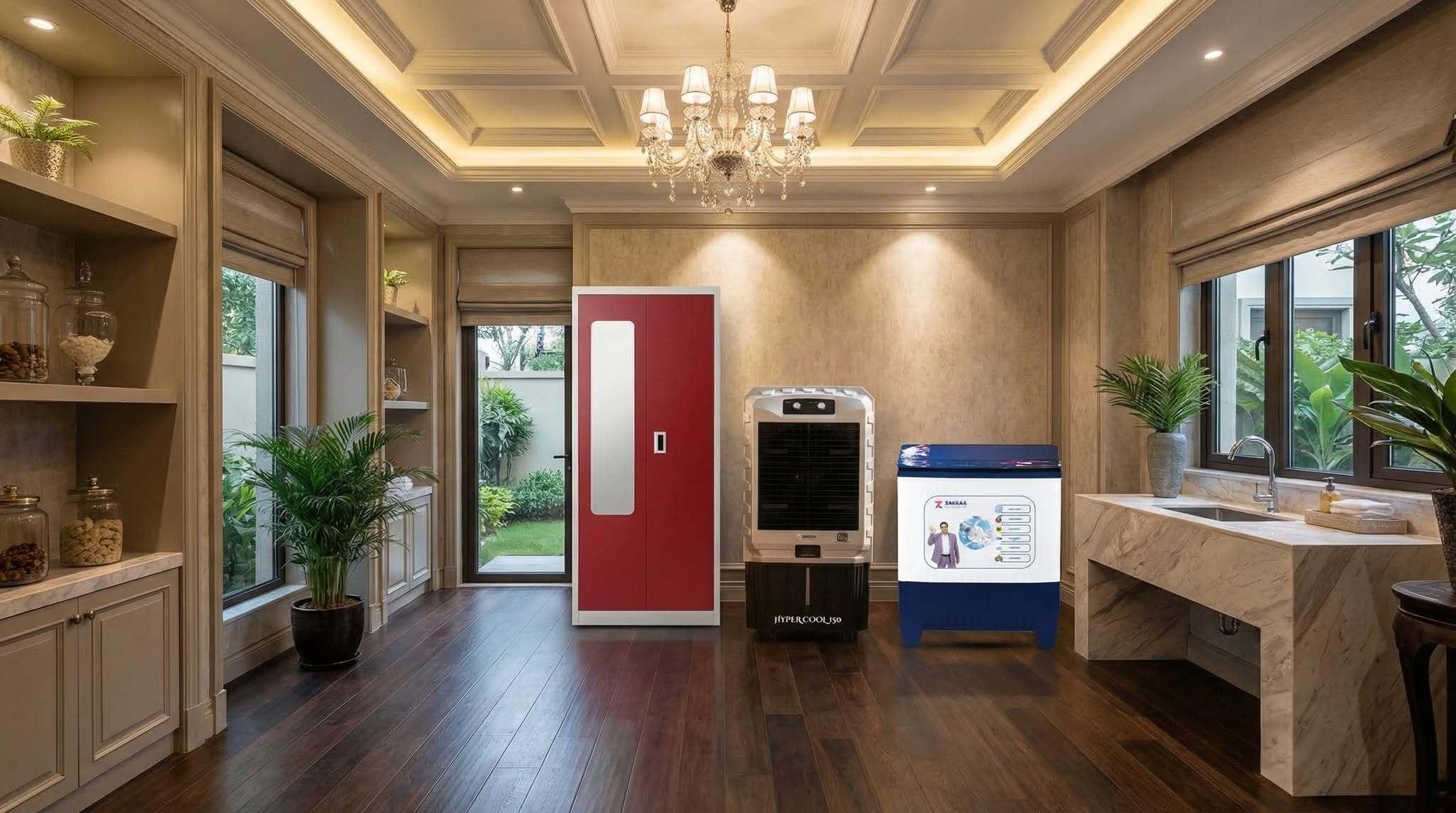
Every growing brand reaches a point where making products in house starts to feel heavy. Machines cost a lot. Skilled workers are hard to find. Demand goes up and down without warning. This is the moment when third-party manufacturing becomes a serious option. Instead of building a factory from zero a brand hands production to an experienced partner and focuses on design and sales. This guide explains the benefits and the process and the steps to choose the right partner for your business.
Understanding Contract Manufacturing
In simple terms outsourced production means a company hires an outside factory to make its products. The brand owns the idea and the design and the marketing. The factory handles raw materials and labor and machinery and quality checks. This model is common in electronics and cosmetics and food and furniture and home decor. Many well known products on store shelves were actually made by a partner factory and not by the brand itself. Third-party manufacturing allows small and mid-size companies to compete with big names without carrying the weight of heavy infrastructure. It also gives founders more time to study the market and talk to customers.
Key Benefits of Outsourced Production
The first big benefit is cost control. Building a plant needs land and machines and a large team. A partner factory already has all of this ready so the brand pays only for what it orders. The second benefit is speed. Products reach the market faster because the production line is already running. The third benefit is access to skill. Experienced factories know materials and finishing methods that a new brand may take years to learn. Scalability matters too. When orders grow the partner can add shifts or machines without the brand carrying that burden. A home decor brand like Zakkaa Home Decor can keep its attention on design trends and customer taste while skilled partners handle the making of the goods. This shared work model reduces risk and it gives the brand more room to experiment.
How the Manufacturing Process Works Step by Step
The process usually begins with a clear product brief. The brand shares drawings and specifications and target price and quantity. Next the factory prepares a quote and a timeline. After that comes sampling. A prototype is made and reviewed and changed until it matches the vision. Once the sample is approved a purchase order is placed and bulk production starts. Quality checks happen during production and again before shipping. Finally the goods are packed and sent to the warehouse or directly to customers. Good communication at every stage keeps surprises low. Third-party manufacturing works best when both sides agree on every detail in writing before the first unit is made.
Factors to Consider When Choosing a Manufacturing Partner
Picking the right partner is the most important decision in the whole journey. Start by checking experience in your product category. A factory that makes plastic items may not suit a brand that needs wood or metal work. Ask about quality certifications and testing methods. Review past work and request references from other clients. Look at production capacity and ask what happens during peak season. Minimum order quantity matters too because small brands cannot always buy in huge volumes. Also check communication style. A partner who replies slowly during the quote stage will likely be slow later. Transparency about pricing and lead times is a strong sign of trust and long term fit.
Common Risks and How to Reduce Them
Every business model has risks. Quality can drift if nobody watches the production line. Intellectual property can leak if contracts are weak. Delays can happen when a supplier takes too many orders at once. The good news is that each risk has a simple fix. Use a signed agreement that protects designs and sets clear quality standards. Visit the factory or hire an inspector for key batches. Keep a backup supplier for important items. Start with a small trial order before moving to large volumes. These habits cost little and they save a lot of trouble later. Brands which do this early usually enjoy smoother growth.
Trends Shaping Contract Production Today
Supply chains are changing fast. Many brands now want shorter lead times and more local options. Sustainability is another big topic. Buyers ask where materials come from and how workers are treated. Partners who offer eco-friendly materials and ethical labor practices stand out from the crowd. Digital tools also help. Order tracking and live photo updates and shared dashboards make remote work easier than ever. Brands that adopt these tools gain better visibility and stronger relationships with their factories.
Conclusion
Outsourcing production is not a shortcut. It is a smart business strategy when done with care. The benefits include lower cost and faster launch and better access to skill. The process stays smooth when both sides communicate clearly and document everything. Choosing the right partner takes research but the reward is steady quality and room to grow. If you are planning to scale your brand then third-party manufacturing deserves a serious look. Start small and test the partnership and build trust over time. A good manufacturing partner becomes an extension of your own team.

 English
 Arabic
 French
 Spanish
 Portuguese
 Turkish
 Dutch
 Italiano
 Russian
 Romaian
 Portuguese (Brazil)
 Greek