


When Is Surgery Necessary for Persistent Toenail Problems?
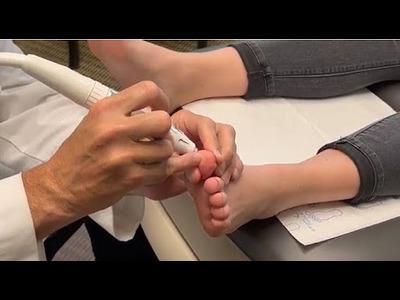
Toenail problems are easy to ignore at first. A little soreness around the nail, some redness, or a nail that keeps growing into the skin might not seem like a big deal. But when the discomfort keeps coming back, walking becomes uncomfortable, and even wearing shoes can feel like a chore. Persistent nail problems sometimes need more than home treatment. Nail surgery for ingrown toenails is one option doctors consider when conservative treatments fail, infections keep returning, or the nail starts affecting everyday activities. The truth is, surgery isn't always the first choice, but in certain cases, putting it off can make the problem worse.
When Ingrown Toenails Keep Coming Back
An ingrown toenail happens when the edge of the nail grows into the surrounding skin instead of sitting normally on top of it. This often affects the big toe, although other toes can be involved too. At first, it might only cause mild tenderness. Then the area becomes red, swollen, and painful, especially when pressure is applied. Some people deal with the same problem every few months, even after trimming the nail carefully or soaking their feet. When an ingrown toenail repeatedly returns, surgery may be recommended to remove the troublesome section of nail and prevent it from growing back into the skin. Recurring problems are a good reason to stop relying on temporary fixes.
Signs That Conservative Treatment Isn't Working
Not every painful toenail needs surgery. Mild cases can often improve with proper nail trimming, warm water soaks, comfortable footwear, and keeping the affected area clean. But there comes a point where these measures aren't doing much. Persistent redness, swelling, tenderness, and pain that doesn't settle are signs the problem may need professional attention. If the nail edge continues digging into the skin despite treatment, a specialist may recommend a minor procedure. Let's be real, constantly managing the same painful nail isn't a practical long-term solution. A proper assessment helps determine whether the nail can be treated without surgery or whether removing part of it is the better option.
Infection Around the Toenail May Require Surgical Treatment
Infections are another reason surgery may become necessary. An ingrown nail can break the skin, allowing bacteria to enter and cause an infection. The surrounding area may become warm, increasingly swollen, and painful. Pus or drainage can also develop, which is something you shouldn't ignore. In more serious cases, the infection may spread beyond the nail fold. While some infections respond to appropriate medical treatment, others require the affected nail section to be removed so the area can heal properly. People with diabetes, circulation problems, or weakened immune systems should be especially cautious because foot infections can become more complicated. Getting treatment early matters.
What Happens During Nail Surgery for Ingrown Toenails?
The short answer is that most procedures are relatively straightforward. Depending on the severity, the specialist may remove only the section of nail causing irritation rather than taking off the entire nail. The toe is usually numbed with a local anaesthetic, so the patient shouldn't feel pain during the procedure, although some pressure may be noticeable. In cases where ingrown toenails repeatedly return, a chemical or other method may be used to prevent the problematic nail edge from growing back. This is known as a partial nail avulsion with matrix treatment. The goal isn't simply to remove the painful part for now, but to reduce the chance of another episode. Recovery usually involves keeping the toe clean, following dressing instructions, and avoiding unnecessary pressure while healing.
When Nail Deformities Cause Ongoing Pain
Ingrown toenails aren't the only nail problems that might require surgery. Thickened, distorted, damaged, or severely curved toenails can sometimes cause persistent discomfort. Fungal infections may contribute to nail thickening, while previous injuries can affect how the nail grows. In some cases, the nail becomes so distorted that it presses against surrounding skin or makes footwear uncomfortable. Surgery may be considered when the nail structure is causing repeated pain and other treatment options haven't helped. However, removing a nail doesn't automatically solve the underlying issue. A specialist needs to determine whether the problem comes from infection, nail growth patterns, trauma, or another condition before deciding on the appropriate treatment.
Getting Professional Advice From a Podiatrist in Townsville, QLD
Knowing when to seek help can save you a lot of unnecessary discomfort. If a toenail has been painful for weeks, keeps becoming infected, or looks noticeably different from normal, getting it checked is a sensible move. A podiatrist in Townsville QLD, can examine the nail, assess the surrounding skin, and explain whether conservative treatment or a minor surgical procedure would be appropriate. It's not just about removing the nail. The specialist needs to understand why the problem keeps happening in the first place. Patients can also receive advice about nail trimming, footwear, foot hygiene, and managing the area after treatment. Sometimes a simple change in how the nail is cared for makes a real difference, but repeated problems shouldn't be left to guesswork.
Persistent Pain That Affects Walking and Daily Activities
Pain is a pretty obvious sign that something isn't right, but many people get used to it and carry on. They change how they walk, avoid certain shoes, or put less pressure on the affected toe. Over time, this can interfere with exercise, work, and even ordinary activities like shopping or standing for long periods. If toenail pain has started affecting your routine, it deserves attention. Surgical treatment may be recommended when the nail continues to cause mechanical irritation despite other measures. The aim is to remove the source of pressure so the toe can heal and normal movement becomes more comfortable. You shouldn't have to reorganise your entire day around a painful toenail.
Understanding the Risks and Recovery Before Surgery
Like any medical procedure, toenail surgery has some risks. These may include infection, bleeding, temporary discomfort, delayed healing, or nail regrowth if the treatment doesn't fully address the problematic nail edge. That's why following aftercare instructions matters. Patients may need to keep the toe covered, limit certain activities for a short period, and attend follow-up appointments. Recovery varies depending on the type of procedure and the individual's health. Most minor procedures allow people to return to normal activities relatively soon, although strenuous exercise and tight footwear may need to be avoided initially. Ask questions before the procedure. Knowing what to expect makes the recovery process much less stressful.
Conclusion: Don't Ignore Toenail Problems That Won't Improve
Persistent toenail problems aren't always something you can fix with better trimming or a few days of soaking. When ingrown nails keep returning, infections develop, or pain starts affecting daily activities, surgery may be the most practical option. The decision depends on the severity of the condition, the patient's health, and whether other treatments have worked. Early professional advice can prevent a minor issue from becoming a more complicated one. If your toenail has been causing trouble for a while, don't keep putting it off. Get it assessed, understand your options, and take the steps needed to get back to comfortable walking.

 English
 Arabic
 French
 Portuguese
 Deutsch
 Turkish
 Dutch
 Italiano
 Russian
 Romaian
 Portuguese (Brazil)
 Greek