


How to Keep Your Home Free From Common Pests
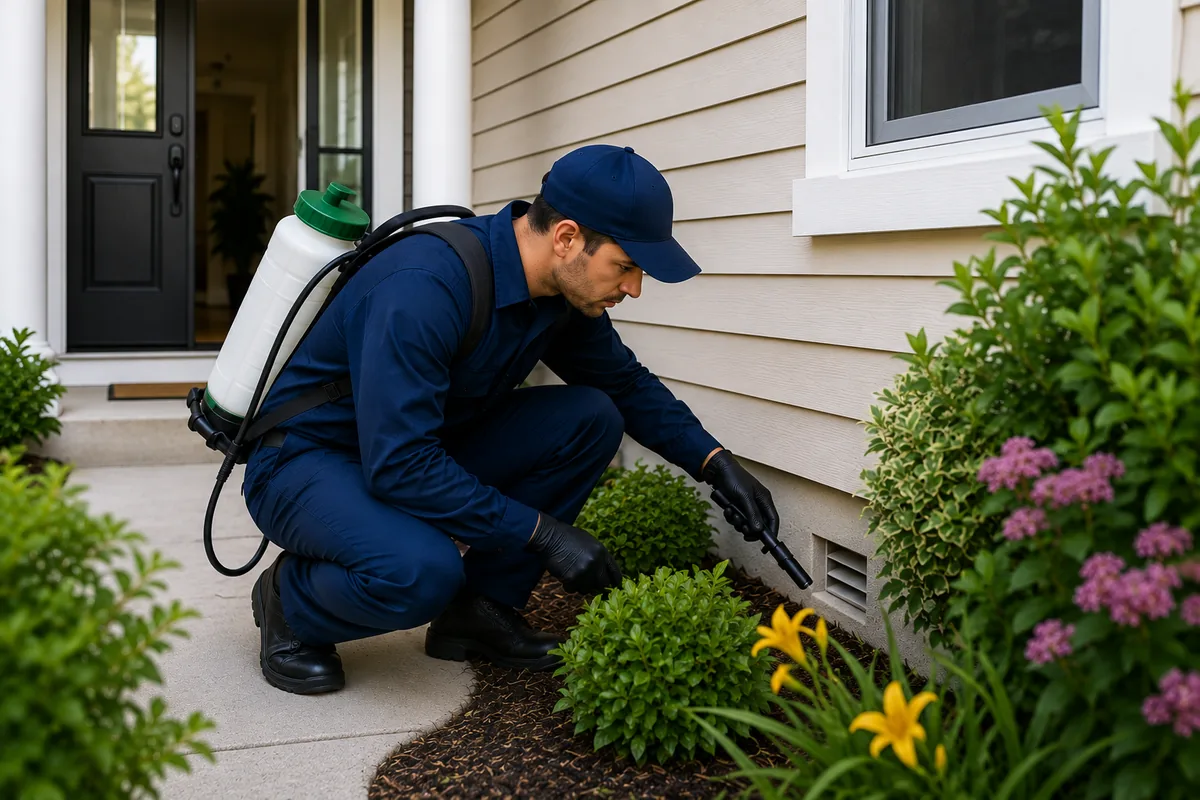
Pests can enter a home through small gaps, open doors, vents, drains, roof lines, and other weak points. Once inside, they can find food, water, warmth, and shelter. Ants may trail to food, mice may seek a dry place to nest, and roaches can hide in dark, damp spots. The best way to deal with pests is to make the home less easy to enter and less useful once they get in.
A clean home helps, but cleaning alone is not always enough. Many pests are drawn by small food scraps, leaks, clutter, standing water, and gaps around pipes or doors. A good pest plan looks at the whole home, not just the room where a pest was seen. Early action can also stop a small issue from turning into a larger one.
For many families, home pest control starts with simple steps: seal entry gaps, store food well, fix leaks, keep bins closed, cut back plants near walls, and check hidden areas on a regular basis. These steps do not replace expert help when an infestation is active, but they can lower the chance of pests getting in and help spot trouble early.
Start With Entry Points
Pests need a way in. A mouse can use a small gap near a pipe, while ants and other insects can pass through tiny cracks. Check the outside of the home at least a few times each year.
Look at:
-
Gaps around doors and windows
-
Cracks in the wall or foundation
-
Openings around pipes and cables
-
Vents and utility lines
-
Damaged screens
-
Roof and soffit gaps
-
Garage door edges
Use proper sealants or repairs where needed. Door sweeps and intact screens can also help block common entry routes.
Keep Food Away From Pests
Food is one of the main reasons pests stay inside. Store dry food in sealed containers and clean spills soon after they happen. Do not leave pet food out for long periods.
Pay close attention to kitchens, pantries, dining areas, and places where crumbs can collect. Clean under appliances when possible and empty indoor bins on a regular basis.
Check Small Food Sources
Even small food traces can attract pests. Wipe counters, sweep floors, clean crumbs from drawers, and wash dishes rather than leaving them overnight. A clean sink and dry worktop can make the area less attractive to insects.
Control Moisture
Water can be as important as food. Leaking taps, wet basements, blocked drains, and damp storage areas can create good conditions for pests.
Check under sinks, near toilets, around water heaters, and in basements. Repair leaks and improve airflow in damp areas. Clean blocked gutters and make sure rain water moves away from the building.
Keep Garbage Secure
Garbage can attract insects and rodents. Use bins with tight lids and clean them when food residue builds up. Keep outdoor bins away from doors when practical.
Bag food waste well and avoid leaving loose scraps outside. If a bin area smells strongly or shows signs of pest activity, clean the area and check for nearby entry points.
Reduce Clutter
Clutter gives pests places to hide. Cardboard boxes, paper piles, unused items, and dense storage can make it hard to spot signs of activity.
Keep storage areas tidy. Use sealed plastic containers where suitable and leave some space between stored items and walls. Check dark areas from time to time.
Pay Attention to Hidden Areas
Pests may stay out of sight in attics, basements, garages, wall voids, cabinets, and storage spaces. Look for droppings, shed skins, nests, gnaw marks, holes, or unusual smells.
Finding signs early gives you a better chance to act before the problem spreads.
Manage Outdoor Areas
The space around a home can affect what gets inside. Keep shrubs and tree branches trimmed away from walls and roof areas when possible. Remove piles of leaves, wood, and other material that can give pests shelter.
Do not let standing water remain in pots, buckets, toys, or other containers. Check outdoor lights and doors too, since some insects are drawn to light and may gather near entrances.
Protect Doors and Windows
Doors and windows are common entry routes. Make sure screens have no tears and close properly. Check weather stripping around exterior doors and replace damaged seals.
A garage can also be an easy route into a home. Keep the garage door closed when it is not in use and avoid storing food or waste in open containers.
Watch for Early Signs
You do not need to see a pest every day to have a problem. Small signs can appear before an infestation becomes obvious.
Watch for:
-
Droppings
-
Gnaw marks
-
Small holes
-
Nest material
-
Shed insect skins
-
Grease marks along walls
-
Ant trails
-
Dead insects
-
Strange sounds at night
-
Unusual smells
If the same sign appears again and again, find out what is causing it rather than treating only the visible symptom.
Take Seasonal Changes Seriously
Pest activity can change with the weather. In warmer months, ants, flies, mosquitoes, wasps, and other insects may become more active. As outdoor conditions change, rodents and other pests may look for shelter indoors.
A seasonal check can help you find gaps, moisture, standing water, damaged screens, and other risks before activity rises.
Be Careful With DIY Treatments
Store-bought pest products can be useful for some small issues, but they should be used exactly as the label says. Using too much product does not mean better results. Mixing products can also be unsafe.
If you cannot identify the pest, the problem keeps coming back, or activity is found in several areas, professional inspection may be a better option.
Do Not Treat Without Knowing the Pest
Different pests need different methods. A product that works for one insect may not solve another problem. Misidentifying a pest can waste time and allow the issue to grow.
When to Call a Professional
Professional help may be needed when signs are widespread, activity keeps returning, or pests are causing damage or sanitation concerns. It can also help when the source is hidden or hard to reach.
A good technician should inspect the property, identify the pest, explain the treatment, and give clear advice on follow-up and prevention.
Keep a Simple Home Pest Routine
A basic routine can make prevention easier. Once a month, check doors, screens, sinks, bins, storage areas, and outdoor spaces. After storms or major repairs, check for new gaps or moisture.
A simple list can include:
-
Check seals and screens
-
Look for leaks
-
Clean food storage areas
-
Check bins
-
Inspect basement and attic areas
-
Remove standing water
-
Trim plants near walls
-
Look for pest signs
Questions to Ask a Pest Control Provider
Before booking service, ask what pest has been found, what areas will be checked, what treatment is planned, and whether more than one visit may be needed. Ask about safety steps for children and pets. A clear answer helps you prepare and compare options.
Also ask what happens if the pest returns. Some problems need follow-up visits, monitoring, or changes to the home that stop pests from coming back. Knowing the follow-up plan before work starts can prevent confusion later.
Final Thoughts
Keeping pests out is easier when prevention becomes part of normal home care. Seal entry points, control food and moisture, reduce clutter, maintain outdoor areas, and watch for early signs.
These steps can lower pest risk, but they cannot guarantee that a home will never have an infestation. If activity continues or the source is unclear, a proper inspection can help identify the cause and guide the next safe step.
Frequently Asked Questions
What attracts pests to a home?
Food, water, warmth, shelter, clutter, and easy entry points can attract or support pests. Leaks, open food, waste, and gaps around the building are common risk factors.
How can I prevent pests without chemicals?
Seal gaps, fix leaks, store food in closed containers, clean crumbs, keep bins closed, reduce clutter, remove standing water, and maintain screens and door seals.
How often should I inspect my home?
A basic check each month is useful. Also inspect after heavy rain, storms, repairs, or changes that may create new gaps or moisture.
When should I hire pest control?
Consider professional help when an infestation is spreading, keeps returning, is hard to identify, or creates a health, sanitation, or property concern.
Can a clean home still get pests?
Yes. Clean homes can still have pests because insects and rodents can enter through gaps or arrive through packages, plants, visitors, pets, or other routes.
What should I do if I find droppings?
Avoid direct contact, keep children and pets away, and try to identify the area of activity. If signs continue or are widespread, arrange a proper inspection.

 English
 Arabic
 French
 Spanish
 Portuguese
 Deutsch
 Turkish
 Dutch
Dutch
 Italiano
 Russian
 Portuguese (Brazil)
 Greek
Greek